































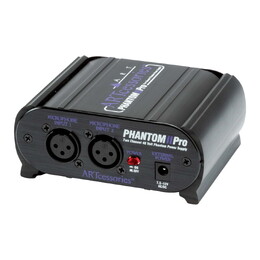
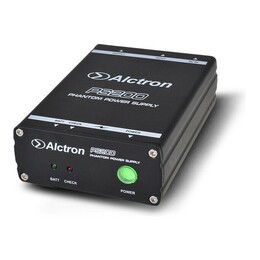
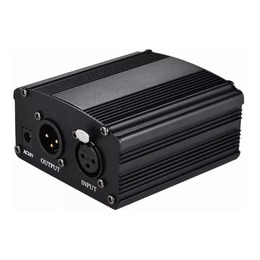
A phantom power supply is an inline unit that sends 48V down a standard XLR cable to run condenser microphones and active DI boxes from inputs that do not provide it.




About Phantom Power Supplies
Condenser microphones, active DI boxes and some other stage and studio devices need phantom power to operate. A phantom power supply delivers that power, typically 48V, down a regular XLR microphone cable through the same 3-pin connection that carries the audio signal, so no extra cabling is needed.
Phantom power is usually provided by a mixing desk or audio interface, but not every device has it on board. An external phantom power supply sits inline between the microphone and the input, filling the gap so you can run condenser microphones and active DI boxes from any mixer, interface or recorder. Pair your supply with quality XLR microphone cables for clean, reliable power and signal.
Phantom Power FAQs
What is phantom power?
Phantom power is a DC voltage, usually 48V, sent down a balanced XLR cable to power devices such as condenser microphones and active DI boxes. It is called phantom power because it travels along the same cable as the audio signal, with no separate power lead.
Do I need a phantom power supply?
Only if your mixer, interface or recorder does not provide phantom power itself. Most modern mixing desks and audio interfaces include a 48V switch, so an external supply is there to fill the gap when yours does not, or when you run out of powered channels.
Will 48V phantom power damage a dynamic microphone?
Standard dynamic microphones connected with a balanced XLR cable are generally unharmed by phantom power, as the voltage appears equally on both signal pins. Some ribbon microphones are the exception, so check the manufacturer's guidance before engaging 48V.