


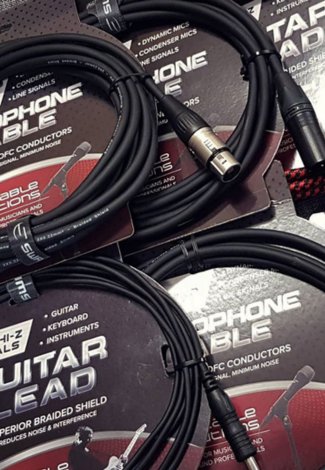


























A guitar footswitch, also called a pedal switch, plugs into an amp over a 1/4" jack and lets a player change amp channels or switch effects on and off hands-free.
- By For Instrument
-
By Stock
- In Stock (15)
- Alctron (2)
- ART (1)
- Enya Music (1)
- Fishman (1)
- Hotone (1)
- JOYO (3)
- MOEN (3)
- Nektar (1)
- Peavey (1)
- Radial (4)
- Sescom (2)
- SWAMP (1)


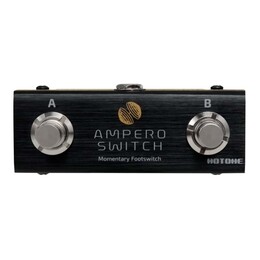
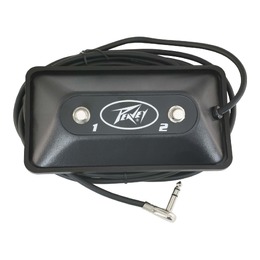
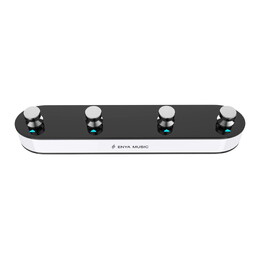
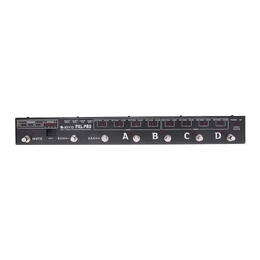
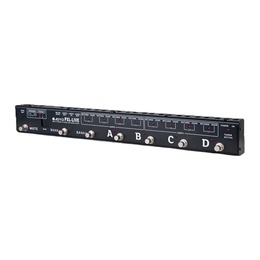
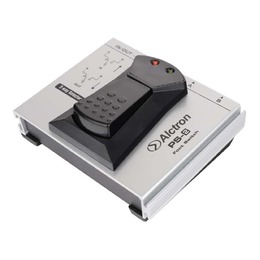
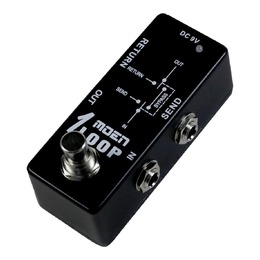
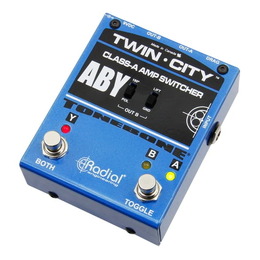
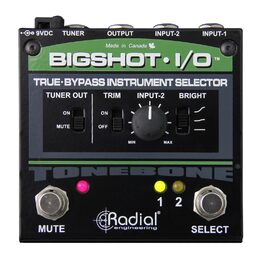

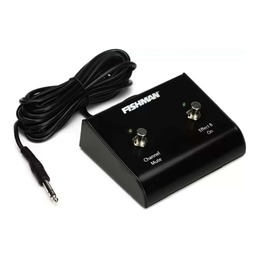
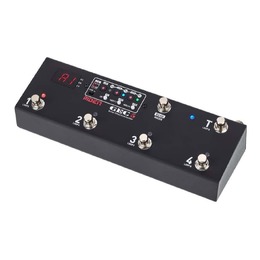
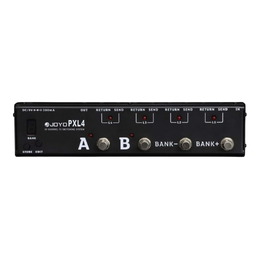
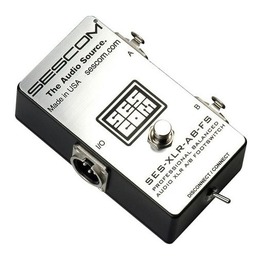
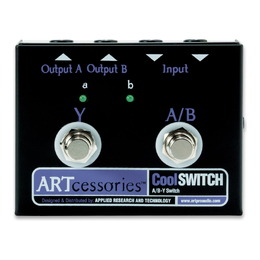
About Guitar Footswitches
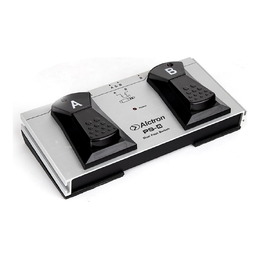
A guitar footswitch, also called a pedal switch or amp footswitch, lets you change amplifier channels or switch built-in effects on and off without taking your hands off the guitar. Most amps use a 1/4" jack footswitch input, either TS for a single switch or TRS for a dual switch. A TRS input can control two channels or effects: typically the left switch moves between clean and drive, while the right switch turns reverb or chorus on and off.
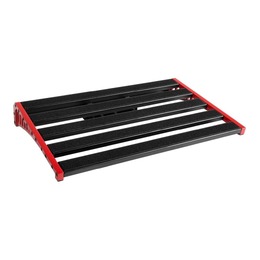
A dual TRS footswitch also works on a single-switch amp, with just the left switch active, so it is a safe choice if you are not sure what your amp needs. If you want to switch between effects pedals rather than amp channels, see our pedal switchers, browse the full guitar pedals range, or tidy your rig with pedalboards and patch cables.
Guitar Footswitch FAQs
Are footswitches and pedal switches the same thing?
Yes. Footswitch, foot switch and pedal switch all describe the same stomp-operated switch used to change amp channels or toggle effects. Amp footswitch is the most specific term, since these switches most commonly plug into a guitar amplifier's footswitch jack.
Do I need a TS or TRS footswitch for my amp?
Check the amp's footswitch jack. A TS (mono) connection supports a single switch, while a TRS (stereo) connection supports a dual switch controlling two functions. A dual TRS footswitch still works on a single-switch amp, with only the left switch active.
Will any footswitch work with any amp?
Most amps with a standard 1/4" footswitch jack accept a generic TS or TRS footswitch. Some brands use momentary rather than latching switches, or multi-pin connectors for channel switching, so check your amp's manual before buying.