




























Violin strings are sets of four, G, D, A and E, wound on a steel, synthetic or rope core that shapes how warm, bright and stable the instrument sounds.


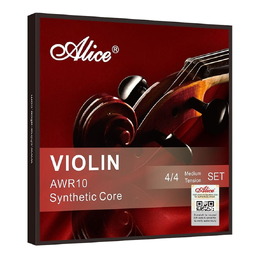
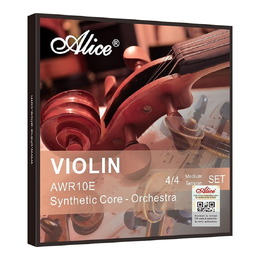
About Violin Strings
The three key variables when choosing violin strings are core type, gauge and tension. Steel core strings are the most stable and durable, with quick response and strong volume, which is why fiddlers and contemporary players favour them. Synthetic core strings replicate the warm, complex tone of traditional gut strings while staying far more stable in tune, making them the popular all-round choice for classical players and students. As a general rule, heavier gauge strings produce a fuller tone but respond more slowly, while lighter gauges feel faster under the fingers.
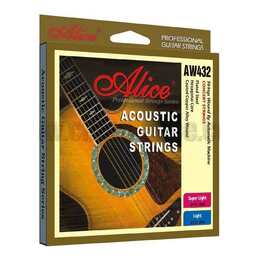
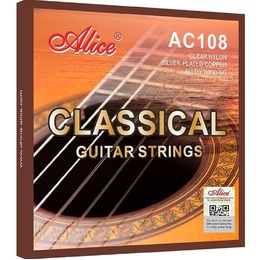
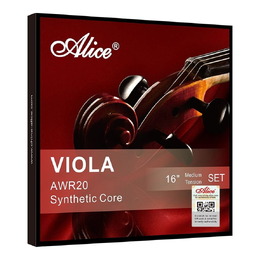
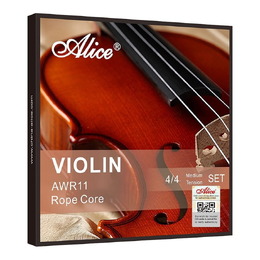
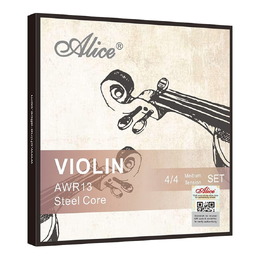
SWAMP stocks Alice violin string sets in synthetic core, steel core and rope core options for 4/4 (full size) violins, along with a 1/2 size set for smaller instruments. Alice strings deliver reliable quality at student-friendly prices, ideal for schools, beginners and working players alike. Need an instrument to go with them? Browse our violins, or see our cello strings and guitar strings for other instruments.
Violin String FAQs
What notes are the strings on a violin?
A violin's four strings are tuned G, D, A and E, from lowest to highest. The G string is the thickest and the E string the thinnest, and string sets include all four strings.
What is the difference between steel core and synthetic core violin strings?
Steel core strings hold their pitch well, respond quickly and produce a bright, direct sound, making them popular with fiddle and contemporary players. Synthetic core strings imitate the warmer, more complex tone of traditional gut strings and are the common choice for classical playing.
How often should violin strings be replaced?
For regular players, every 6 to 12 months is a good guide, or sooner if the tone goes dull, the strings discolour or the winding starts to fray. Occasional players can stretch this longer, but old strings lose clarity and become harder to tune.