


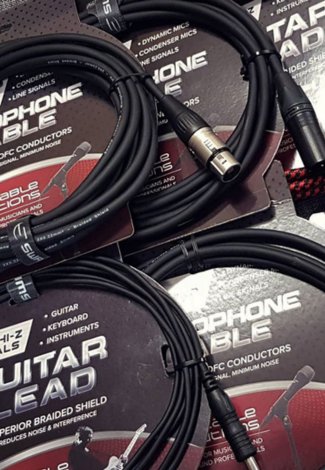


























DMX cables are 110 ohm shielded twisted pair leads with 3-pin or 5-pin XLR plugs that carry DMX512 control signals between lighting controllers, dimmers and fixtures.
- By Length Group
- By Connectors
- By Colour
- By Product Type
-
By Stock
- In Stock (15)
- Power Dynamics (1)
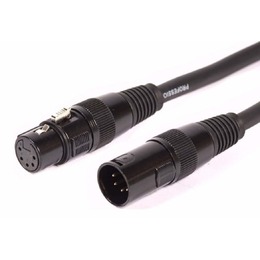
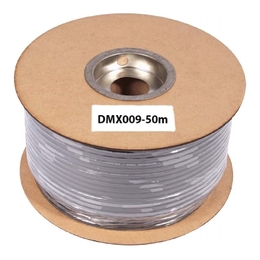
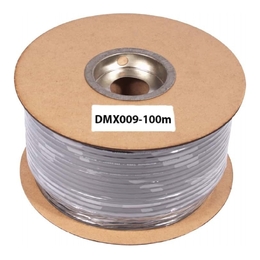
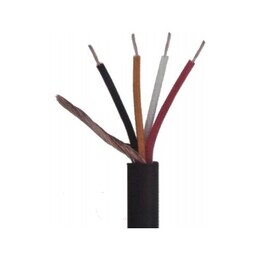
About DMX Lighting Cables
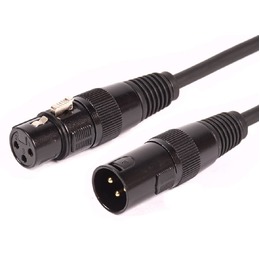
DMX cables carry the DMX512 digital control protocol that runs stage lighting: controllers, consoles, dimmers, moving heads, lasers and fog machines. They are built on 110 ohm twisted pair OFC copper with dual foil and braided copper shielding, which rejects the interference that corrupts digital control data near power cables, so your lighting rig behaves exactly as programmed.
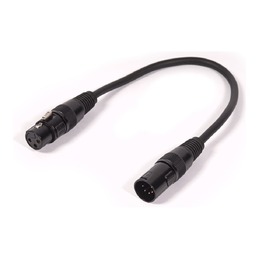
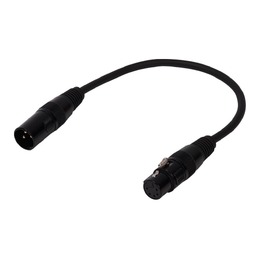
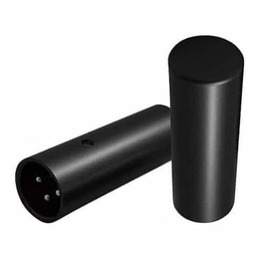
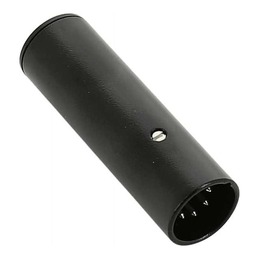
DMX equipment uses either 3-pin or 5-pin XLR connectors, and a 3-pin to 5-pin DMX cable links the two types in one chain. Finish longer chains with a DMX terminator on the last fixture to stop signal reflections. Browse stage lighting equipment to put the cables to work, see AES/EBU cables for 110 ohm digital audio runs, or explore the full range of digital cables. For balanced analogue audio, use XLR microphone cables instead.
DMX Cable FAQs
Can I use an XLR microphone cable as a DMX cable?
They share the same connectors, but a microphone cable is not built to the 110 ohm impedance that DMX512 data requires. On short runs it may appear to work, but longer chains risk flickering and misfiring fixtures, so use a proper DMX cable.
What is the difference between 3-pin and 5-pin DMX cables?
Both carry the same DMX512 signal, the connector is simply what your gear provides. Many fixtures use 3-pin while consoles and pro fixtures often use 5-pin, and a 3-pin to 5-pin DMX cable joins the two in one chain.
Do I need a DMX terminator?
On longer chains, yes. A DMX terminator is a small XLR plug with a 120 ohm resistor across pins 2 and 3, fitted to the output of the last fixture. It stops the signal reflecting back down the line and causing interference.