


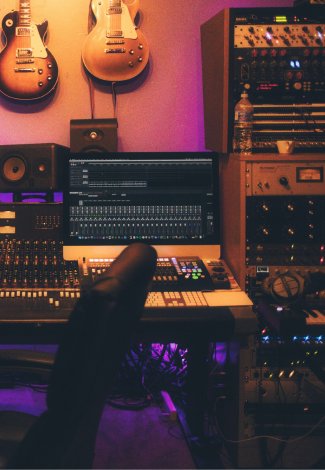

























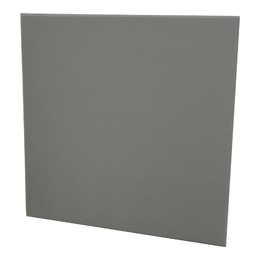
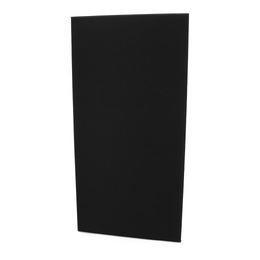
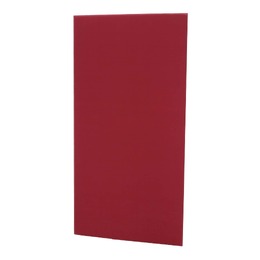
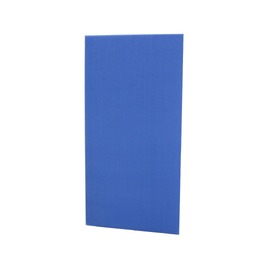
Acoustic panels, also called sound absorbing panels, are fibreglass or foam absorbers fitted to walls to tame the reverb and flutter echo bouncing between hard surfaces.


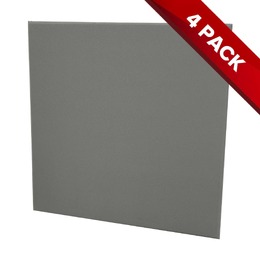
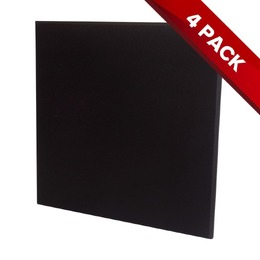
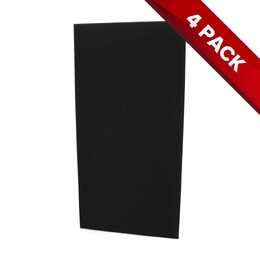
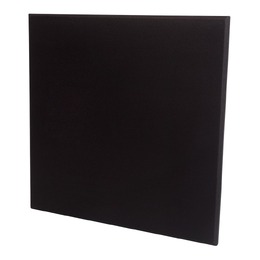



 Pre-Order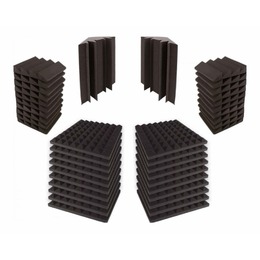
About Acoustic Panels
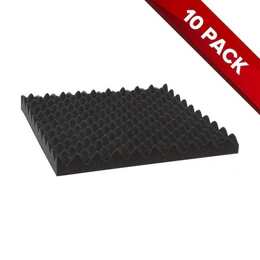
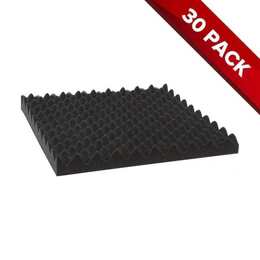
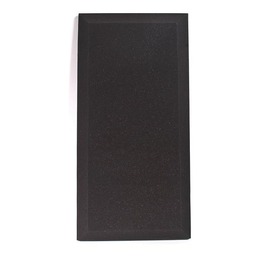
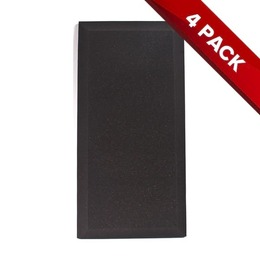
Acoustic panels, also called sound absorbing panels or acoustic treatment panels, absorb the sound reflections that bounce between hard walls, taming reverb and flutter echo so a room sounds tighter and speech and music stay clear. In a recording or mixing room that means more accurate monitoring and cleaner takes; the same panels also settle down overly live rehearsal spaces, venues, offices and meeting rooms. Absorption is not the same as soundproofing: panels treat the sound inside the room rather than stopping it passing through walls.
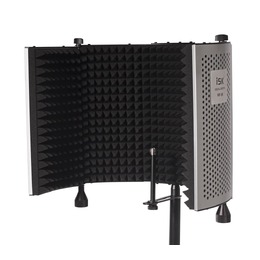
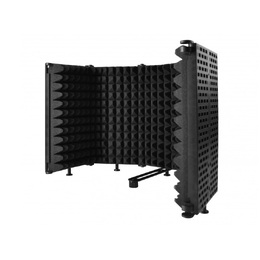
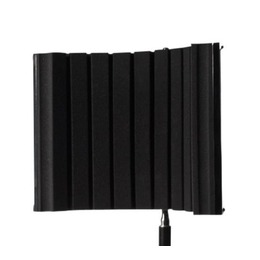
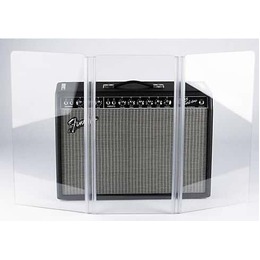
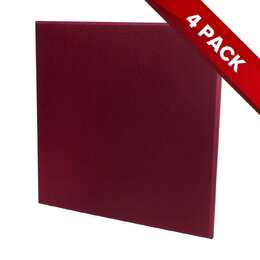
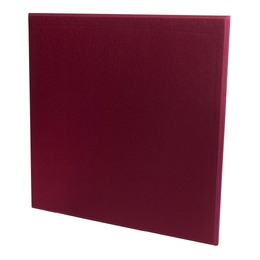
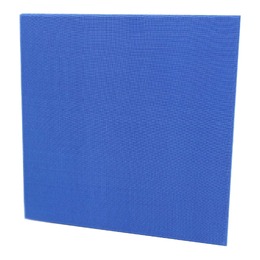
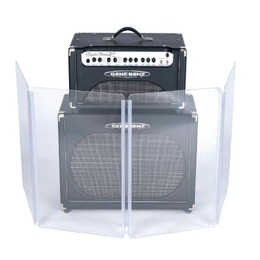
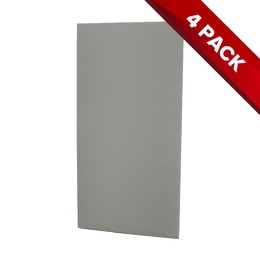
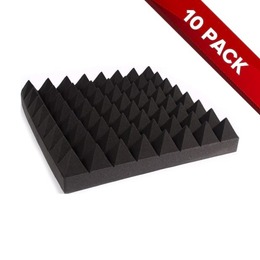
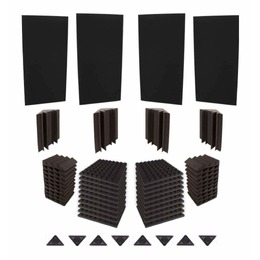
Our range covers fibreglass acoustic panels and acoustic foam panels in 50x50cm, 60x60cm and 60x120cm sizes, so you can mix panel types and sizes to suit the wall space you have. Start with wall panels at the first reflection points around your listening position, then extend coverage as the room needs. Corners and low frequencies are a job for bass traps, while reflection filters treat vocal recording at the microphone itself. See the full acoustic treatment range.
Acoustic Panel FAQs
Do acoustic panels soundproof a room?
No. Acoustic panels absorb reflections inside the room, reducing reverb and echo. Stopping sound travelling between rooms is soundproofing, which relies on mass, sealing and structural isolation rather than surface panels. Most people searching for soundproofing panels actually want the clearer, less echoey room that absorption panels deliver.
Should I choose fibreglass or foam acoustic panels?
Fibreglass panels absorb more effectively across a wider frequency range, particularly into the lower mids, making them the stronger choice for mixing and recording rooms. Foam panels are lighter and more affordable, and work well for taming flutter echo and high-frequency reflections in vocal booths and rehearsal spaces.
How many acoustic panels do I need and where do they go?
Start with the first reflection points: the side walls and ceiling between your speakers and listening position, plus the wall behind the speakers. A handful of well-placed panels makes an obvious difference; add more coverage and corner bass traps if the room still sounds boomy or lively.