































A 5 string bass carries an extra low B below the usual E-A-D-G, reaching a fourth lower without detuning and putting more notes under a single hand position.

About 5 String Bass Guitars
A 5 string bass adds a low B string below the standard E, extending your range down a fourth without detuning. That extra low end is a staple of metal, gospel, worship and modern pop, and the fifth string also keeps more notes within one hand position, so busy lines need less shifting up and down the neck.
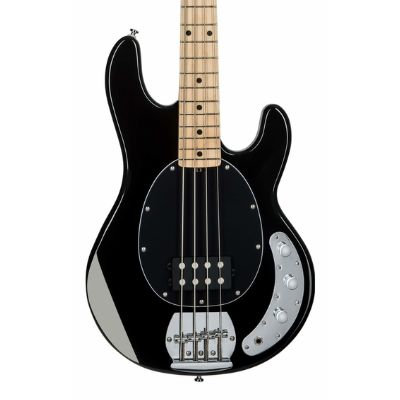
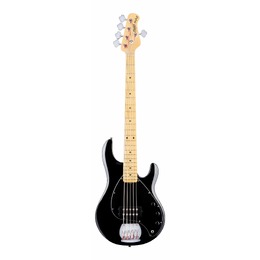
Our current 5 string pick is the Sterling S.U.B Ray5, built on the classic Music Man StingRay design with active electronics for the punchy, present tone StingRays are famous for. Compare it against our full range of bass guitars, keep a fresh set of 45-130 five string bass strings on hand, and pair it with a bass guitar amplifier to make the most of that low B. See more from Sterling by Music Man, including the 4 string Ray4.
5 String Bass FAQs
What is the advantage of a 5 string bass?
The low B string extends your range down to notes a standard bass cannot reach, covering drop tunings without retuning. It also puts more notes within each hand position, reducing movement in fast or busy lines.
How do you tune a 5 string bass?
Standard 5 string bass tuning is B-E-A-D-G: the familiar E-A-D-G of a 4 string with a low B added below. Because the other four strings stay the same, your existing fingerings carry straight over, making the move from a 4 string easier than it looks.
What gauge strings does a 5 string bass use?
The most common set is 45-130: a standard 45-105 set with a 130 gauge low B added. A fresh, quality low B string makes a big difference to clarity and tension on any 5 string bass.