


























Percussion instruments are struck or shaken instruments such as tambourines, egg shakers, cajons and Boomwhackers, most needing no tuning, so they suit classrooms and gigs.
- By Colour
- By Size
- By No. Of Strings
- By Product Type
-
By Stock
- In Stock (19)
- Alice (5)
- Boomwhackers (8)
- Enya Music (1)
- NUX (3)
- Opus Percussion (3)
About Percussion Instruments
Percussion instruments are the quickest way to add rhythm to any setting, from primary school music programs to acoustic gigs and drum practice at home. Most need no tuning or setup, so they suit players of every age and skill level, which is why shakers, tambourines and Boomwhackers remain staples of music education.
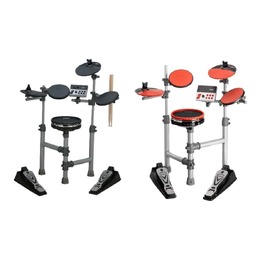
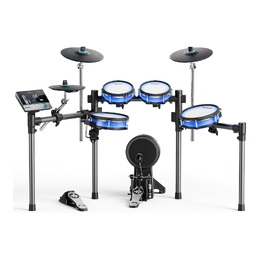
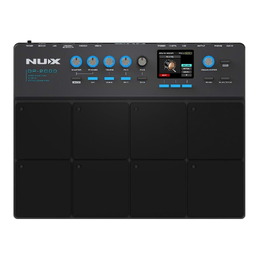
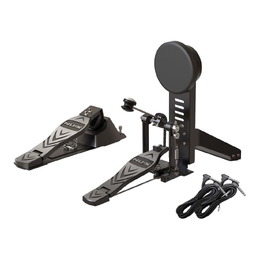
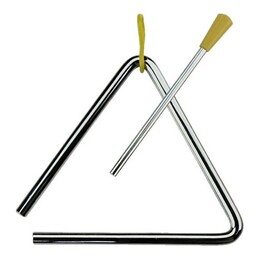
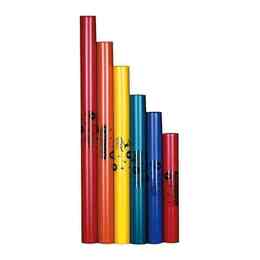
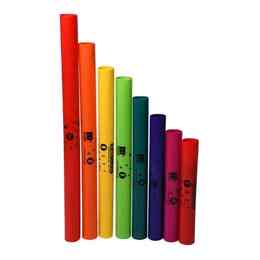
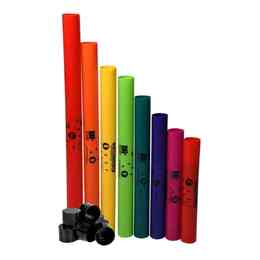
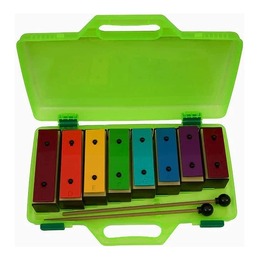
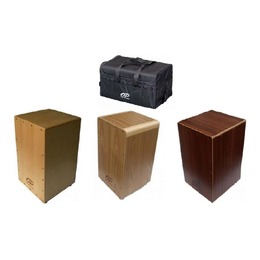
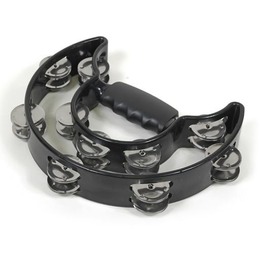
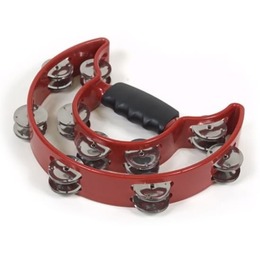
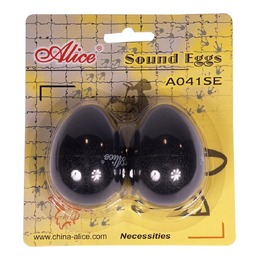
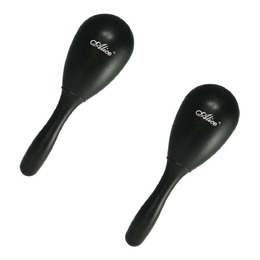
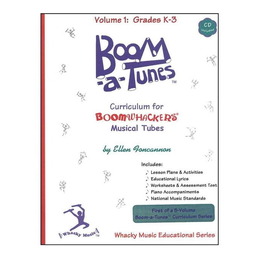
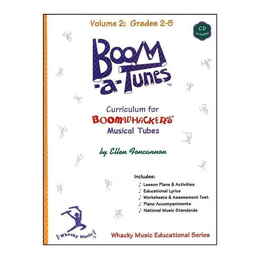
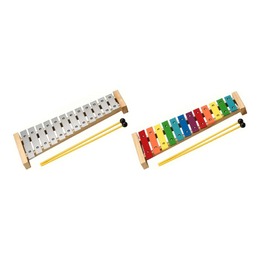
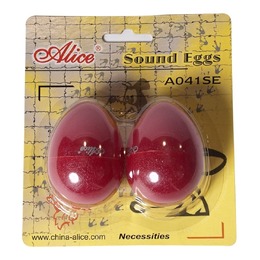
The SWAMP range covers the essentials: egg shakers, maracas and hand-held tambourines from Alice, the Opus Percussion wooden cajon with carry bag, plus a triangle, resonator bells and a glockenspiel for melodic work. For classrooms we stock Boomwhackers tuned percussion tube sets with matching curriculum books, and drummers can step up to the NUX digital percussion pad. Browse the wider drum gear range for drum kits, drum sticks and hardware.
Percussion Instruments FAQs
What percussion instruments are best for a school classroom?
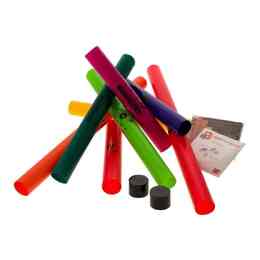
Boomwhackers are the classroom favourite: colour-coded tuned tubes that are durable, safe and play a true note when struck, with curriculum books available to build lessons around them. Egg shakers and tambourines are affordable per-student rhythm options, while resonator bells and glockenspiels add a melodic element.
What is a cajon and how do you play it?
A cajon is a box drum you sit on and play with your hands. Striking the centre of the front plate gives a deep bass tone, while the top corners produce a sharper, snare-like crack. It is a compact, portable alternative to a drum kit for acoustic sets and small venues.
What are Boomwhackers?
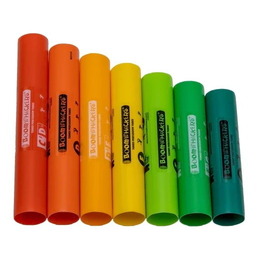
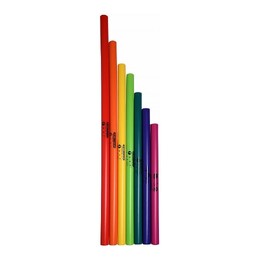
Boomwhackers are lightweight plastic tubes cut to precise lengths so each one sounds a specific note when tapped against a hand, the floor or each other. The colour-coding matches widely used classroom music systems, which makes them ideal for group play and primary school music programs.