






























A microphone windscreen, also called a wind cover or dead cat, is a foam or furry cover that slips over a mic and diffuses moving air before it reaches the diaphragm.
- By Colour
-
By Stock
- In Stock (22)
- Alctron (3)
- Audio-Technica (1)
- CKMOVA (5)
- COMICA (4)
- iSK (3)
- On-Stage (2)
- Pasgao (1)


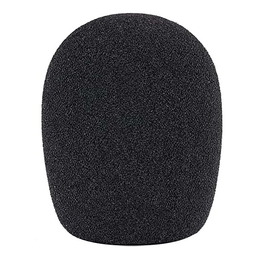
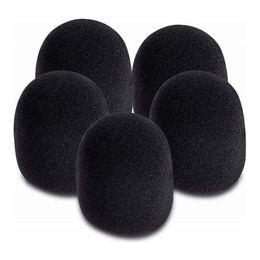
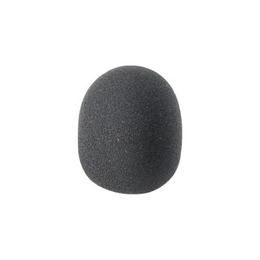
About Microphone Windscreens
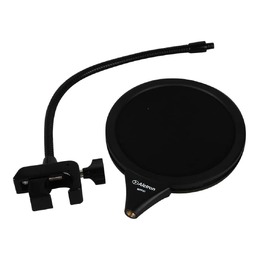
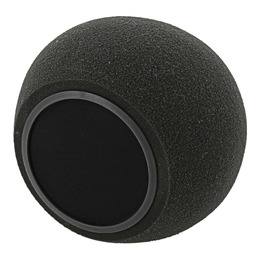
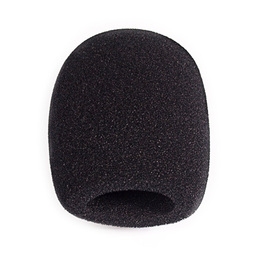
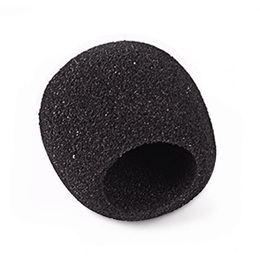
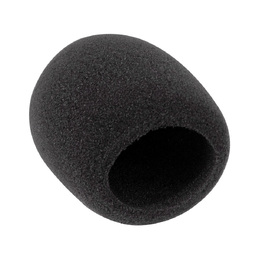
A microphone windscreen, also called a wind cover or windshield, slips over the microphone and diffuses moving air before it can vibrate the diaphragm. Wind across an unprotected mic produces low, rumbly noise that can bury a recording, and a windscreen works much like a pop filter to stop it, whether that is an ocean breeze at an outdoor PA setup or breath blasts on a vocal mic.
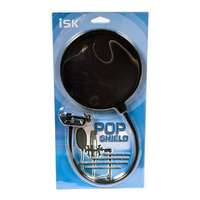
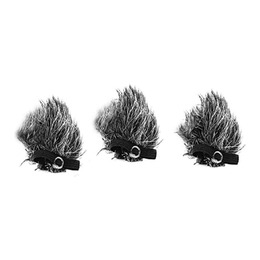
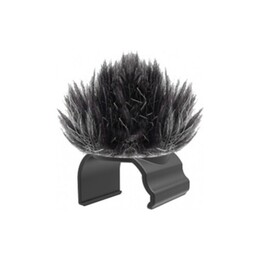
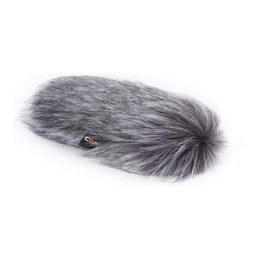
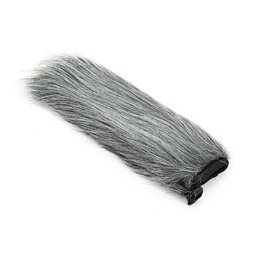
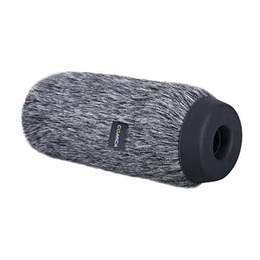
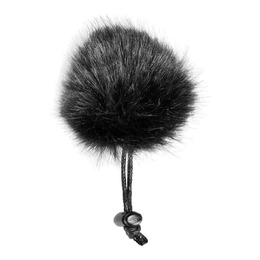
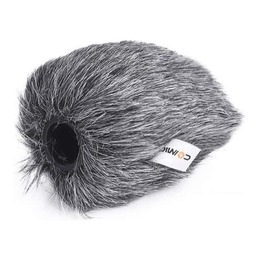
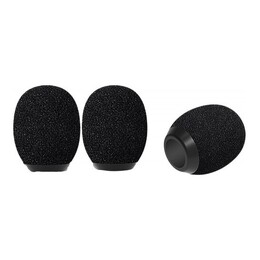
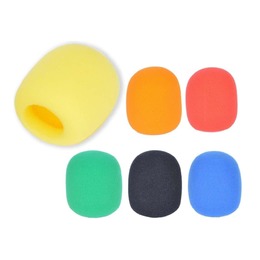
The range covers foam windscreens for handheld dynamic mics from On-Stage, including multi-packs, foam and furry windscreens for lavalier mics from CKMOVA and Comica, wind muffs for compact lapel mics, furry dead cat windscreens for shotgun microphones from SWAMP and CKMOVA, and windsocks for invisible-style headset mics. For studio vocal work, see pop filters, protect condensers with microphone shock mounts, or pair a windscreen with wireless microphones for outdoor speeches and events. The full microphone accessories range covers the rest of the kit.
Microphone Windscreen FAQs
What does a microphone windscreen do?
It diffuses wind and breath before they hit the microphone diaphragm, cutting the low-frequency rumble that wind causes. Indoors, a foam windscreen also tames plosives and keeps moisture and dust off the capsule.
What is a dead cat microphone cover?
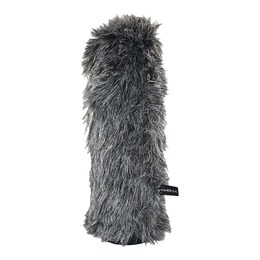
A dead cat is the informal name for a furry windscreen, a layer of long synthetic fur that breaks up wind before it reaches the mic. Also sold as wind muffs or windjammers, they outperform plain foam outdoors and are standard kit on shotgun and lavalier mics for video work.
Should I choose a foam or furry windscreen?
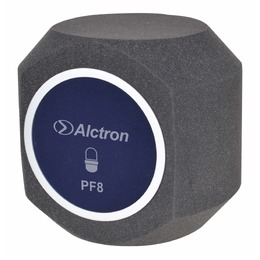
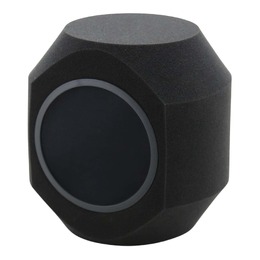
Foam suits stage and indoor use, handling breath blasts and light air movement without changing the mic's look. Furry covers are the outdoor choice, taming real wind at the cost of a slight reduction in high frequencies, and many clip or slip over a foam layer.