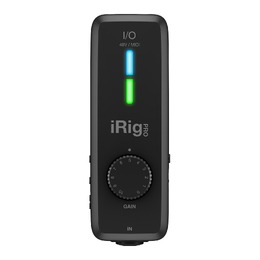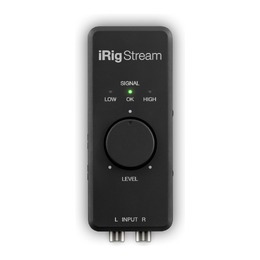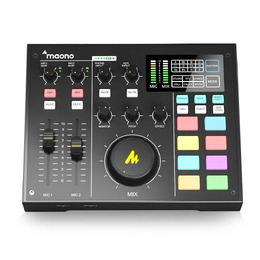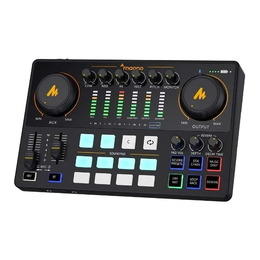





















A USB audio interface links microphones and instruments to a computer over a single USB cable, converting analogue signal to digital with mic preamps and phantom power built in.


A USB audio interface links microphones and instruments to a computer over a single USB cable, converting analogue signal to digital with mic preamps and phantom power built in.
About USB Audio Interfaces
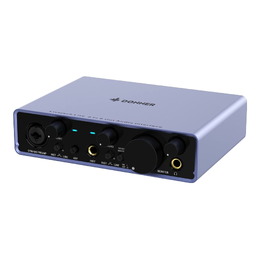
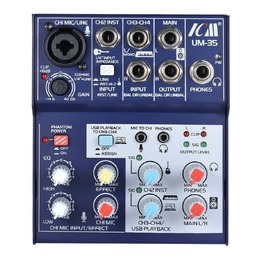
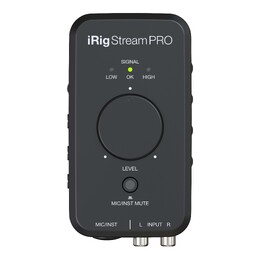
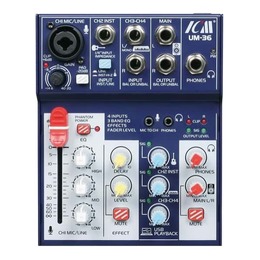
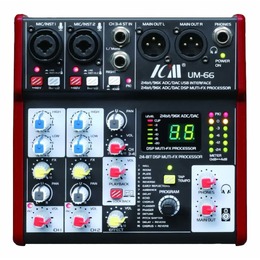
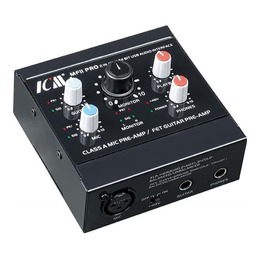
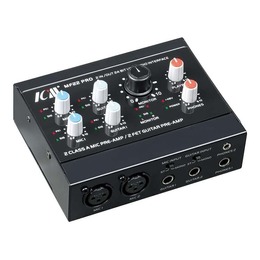
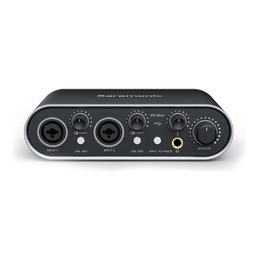
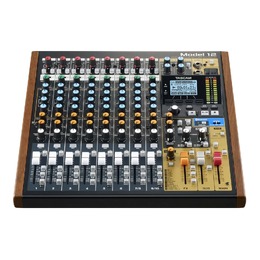
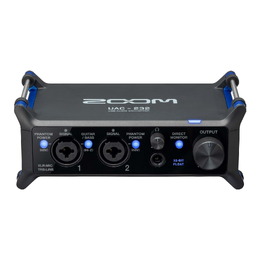
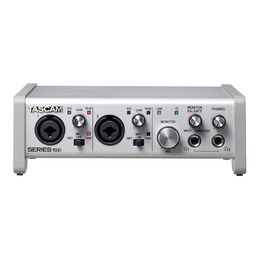
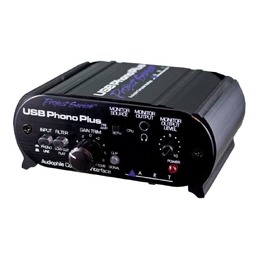
A USB audio interface is the link between your microphones or instruments and your computer, converting analogue signals into clean digital audio over a simple USB connection. It is the most cost-effective way to start a home studio, with built-in mic preamps, phantom power for condenser microphones and low-latency monitoring that a computer's built-in sound card cannot match. Most compact models are USB-powered and work with both PC and Mac, so there is no separate power supply to carry.
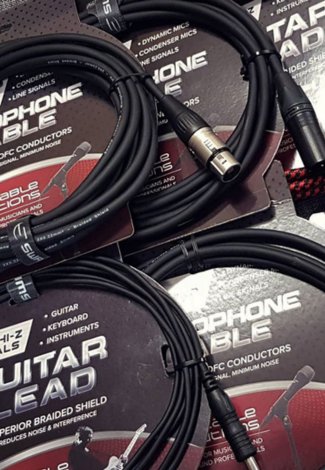
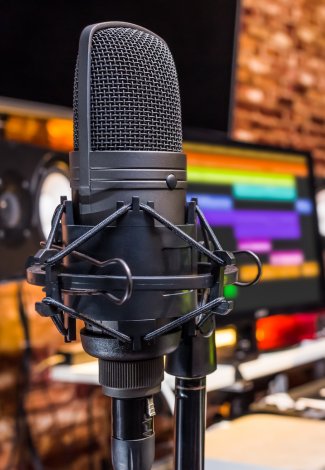
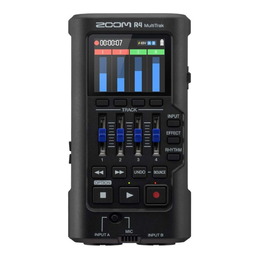
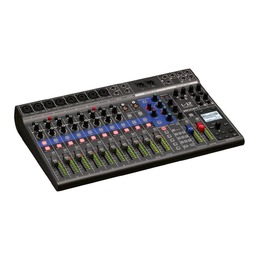
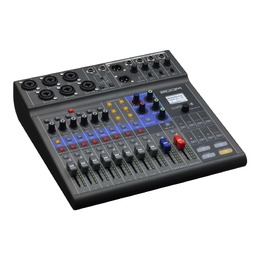
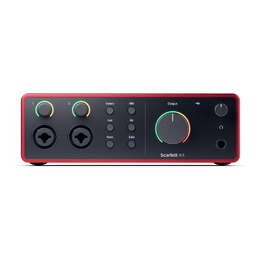
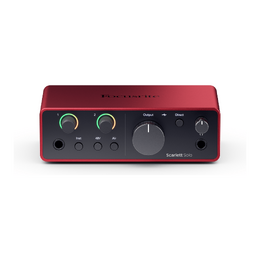
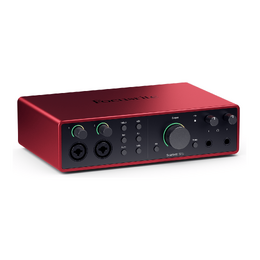
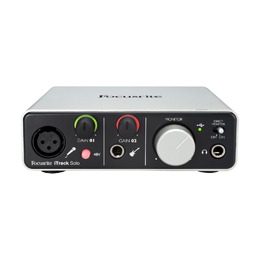
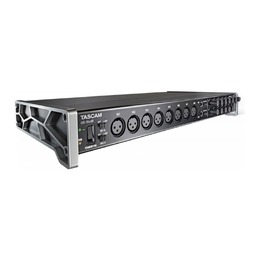
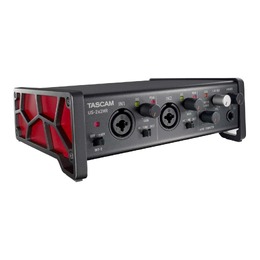
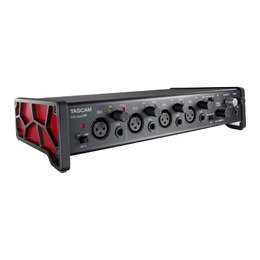
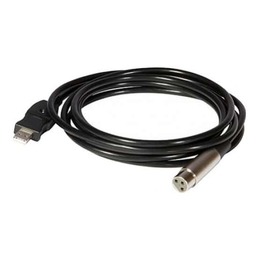
The range runs from compact 2-in 2-out units for singer-songwriters and podcasters through to multi-channel interfaces for tracking a full band, including Focusrite audio interfaces like the Scarlett Solo and 2i2, plus Tascam and Zoom models. Many current interfaces use a USB-C connection. Browse the full audio interface range, then complete your setup with studio microphones, studio monitors and XLR microphone cables.
It converts the analogue signal from a microphone, guitar or keyboard into digital audio your computer can record, and converts it back for playback. Compared with a built-in sound card, you get better preamps, proper input connectors and much lower latency.
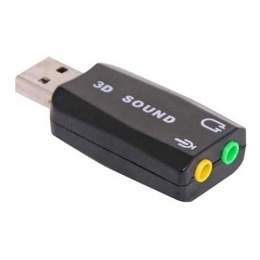
They overlap, but a USB sound card is mainly for playback, while an audio interface is built for recording. Interfaces add mic preamps, phantom power, instrument inputs and balanced outputs for studio monitors.
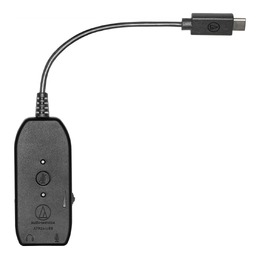
Usually, yes. Most current interfaces have a USB-C connector but run over the USB 2.0 protocol, so they work with older USB-A ports with the appropriate cable. Check each product's specifications for the cable included in the box.

 Pre-Order