

























An audio signal converter is a device that converts between balanced and unbalanced signals, or between mic, line and consumer levels, so mismatched gear can work together.
- By Connectors
- By Product Type
-
By Stock
- In Stock (9)
- Alctron (1)
- ART (2)
- Dynalink (1)
- Sescom (10)
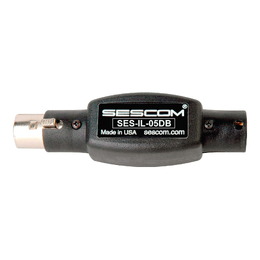
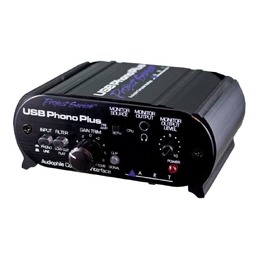

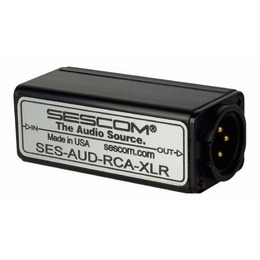
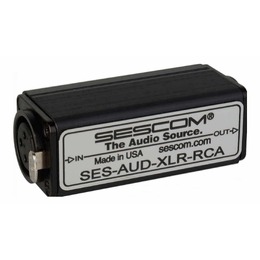
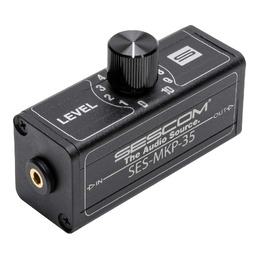
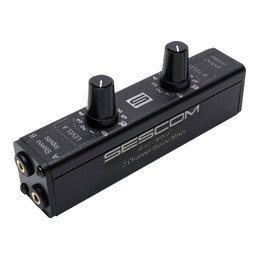
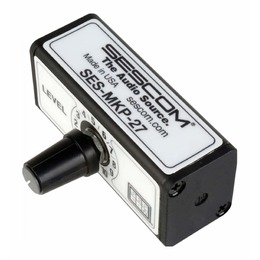
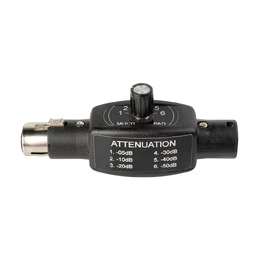
 Pre-Order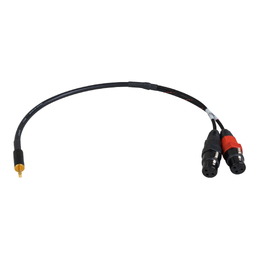
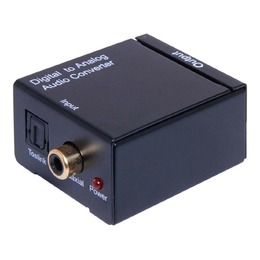
About Audio Signal Converters
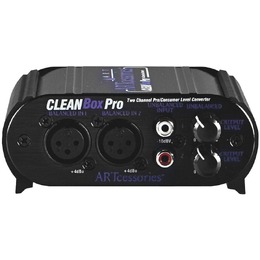
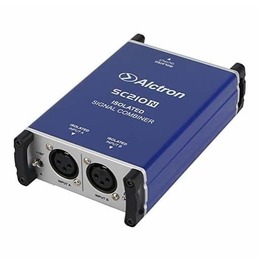
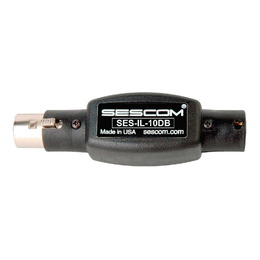
Audio signal converters change one signal type into another so different pieces of equipment can work together. Common jobs include converting between balanced and unbalanced signals, matching microphone level to line level, and interfacing consumer gear with professional inputs. Rather than risking noise or distortion from a direct connection, a converter presents each device with the signal it is designed to receive.
The range features converters from Sescom, a US pro audio brand known for problem-solving interface tools, alongside SWAMP, ART and Behringer units. For instruments, a DI box takes the high impedance signal from a guitar or keyboard and converts it to a low impedance mic level signal, suitable for the XLR mic input on a mixing desk. See also hum eliminators for ground loop noise, signal splitters and combiners for routing, and the full audio signal processors range.
Audio Signal Converter FAQs
What does an audio signal converter do?
It changes a signal's format or level so two pieces of gear can connect cleanly. Typical examples are converting a balanced XLR output to an unbalanced RCA input, or lifting a mic level signal up to line level before it reaches a line input.
What is the difference between balanced and unbalanced signals?
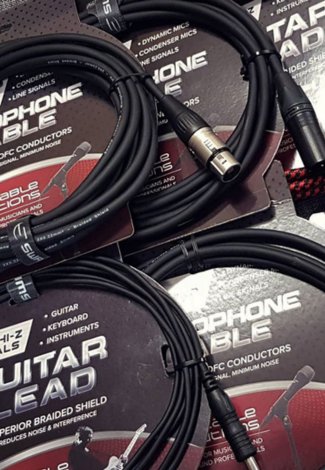
Balanced signals use two signal conductors plus a shield, letting the receiving device cancel out interference, which is why XLR and TRS connections handle long runs. Unbalanced signals, like RCA and TS guitar leads, use a single conductor and suit short runs. A converter lets the two types interface without hum or level mismatch.
Do I need a signal converter or a DI box?
A DI box is a type of signal converter made for instruments: it converts a high impedance guitar or keyboard output into a low impedance mic level signal for XLR inputs. For connecting mixers, media players and other line or consumer level equipment, choose a line level converter instead.