


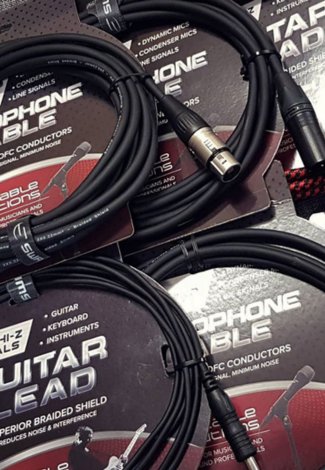




























An XLR or microphone splitter sends one signal to two or more destinations, such as front of house, monitors and a recorder, while a combiner merges sources into a single input.
- By Length Group
- By Connectors
- By Channels
-
By Stock
- In Stock (9)
- Alctron (2)
- ART (6)
- Radial (1)
- Sescom (3)
- UGREEN (2)
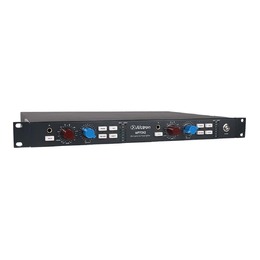
 Pre-Order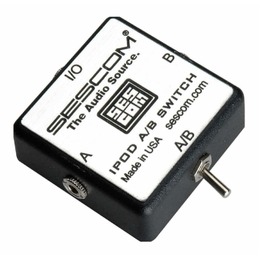

About XLR & Microphone Splitters / Combiners
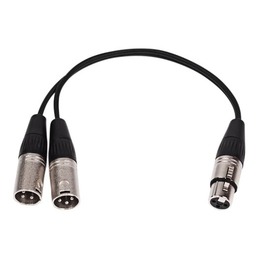
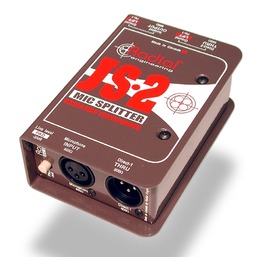
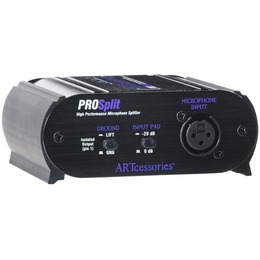
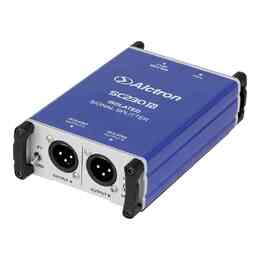
A microphone splitter sends one XLR signal to two or more destinations at once, most commonly feeding a front of house console, monitor desk and recording rig from the same microphone. Many models use transformer isolation on their outputs to keep connected systems electrically separated, preventing the hum and ground loops that plague multi-system setups. If noise does creep in, a dedicated hum eliminator can help.
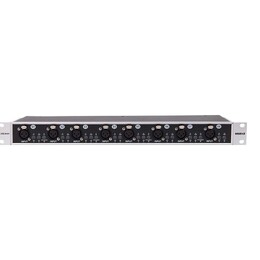
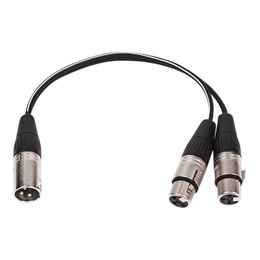
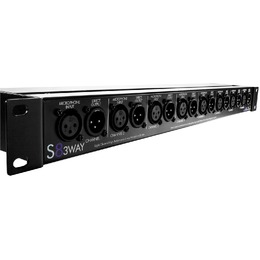
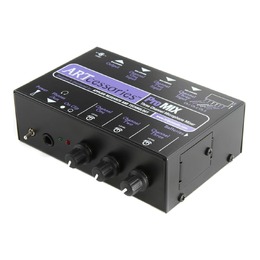
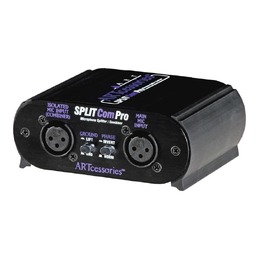
Combiners work in the other direction, merging two or more sources into a single input, handy when a mixer is short on channels or two outputs need to share one destination. The range runs from compact passive boxes to multi-channel rack mount splitters from Radial, ART, Alctron and Sescom. Browse the wider audio signal processors range, convert between formats with audio signal converters, and wire it all up with quality XLR microphone cables.
XLR Splitter FAQs
What does a microphone splitter do?
It takes one microphone or line-level XLR signal and duplicates it to two or more outputs. That lets a single mic feed front of house, monitors and a recording setup simultaneously, without daisy-chaining gear.
What is the difference between a splitter and a combiner?
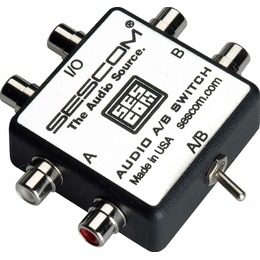
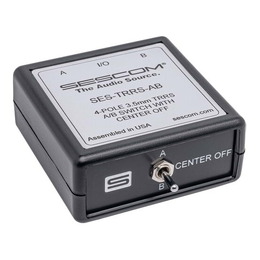
A splitter turns one signal into several identical outputs, while a combiner merges several signals into one output. Some units, like A/B switch boxes, can be used in either direction depending on how they are connected.
Do I need a transformer-isolated splitter?
A simple passive split, whether a Y cable or a compact splitter box, can work when both destinations share the same power and grounding. Transformer isolation becomes important when feeding separate systems, such as a stage rig and a broadcast truck, as it breaks ground loops and blocks hum between them.