


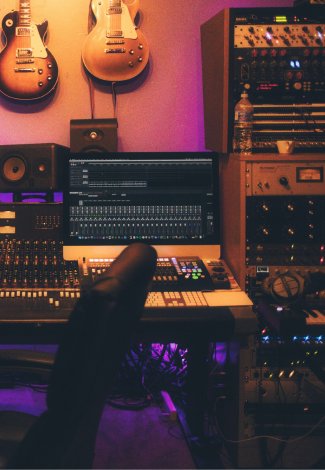

























Fibreglass acoustic panels are high-density absorbers that soak up more sound energy than foam and keep working lower in frequency, for first reflection points and rear walls.
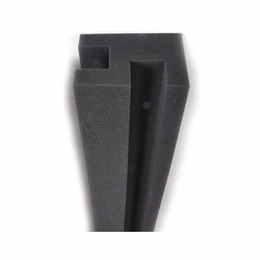
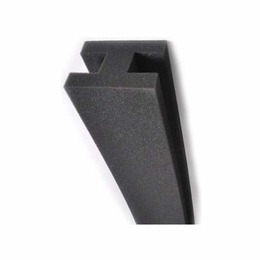
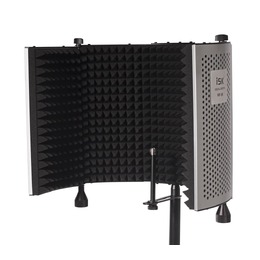




 Pre-Order
About Fibreglass Acoustic Panels
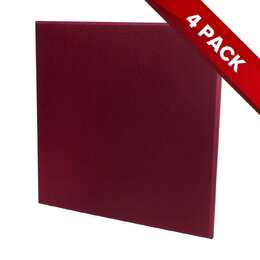
Fibreglass panels are the professional's choice for acoustic treatment. Their high-density fibreglass core absorbs far more sound energy than conventional foam, and keeps working lower into the frequency range, which means better control over boomy low-mids and clearer, more accurate monitoring. Place them at first reflection points around your listening position, behind studio monitors or across a lively rear wall to bring a room under control.
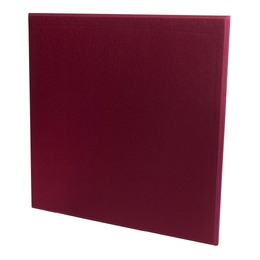
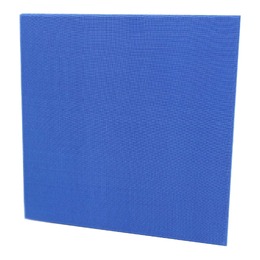
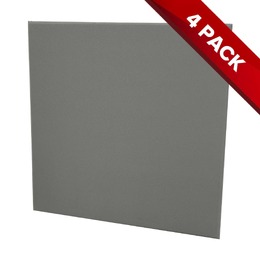
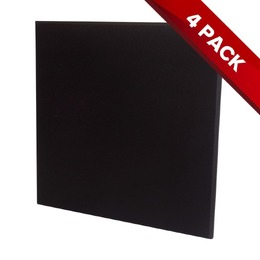
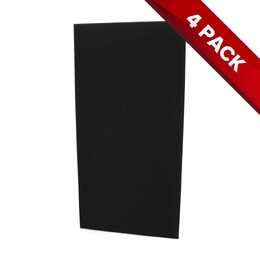
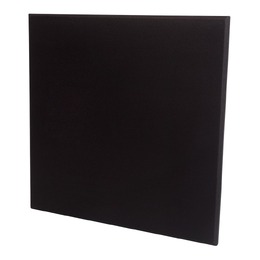
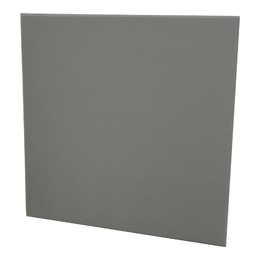
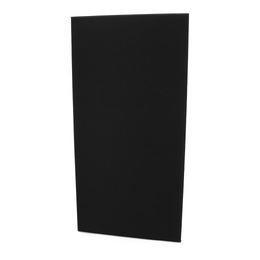
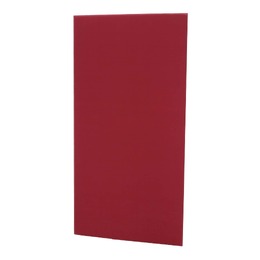
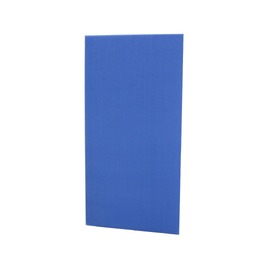
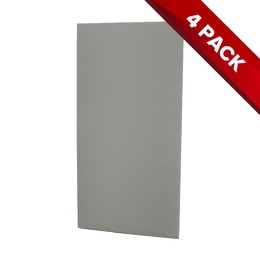
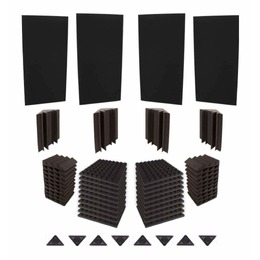
SWAMP fibreglass panels come in 60x60cm and 60x120cm sizes, in black, grey, wine red and blue fabric finishes, sold individually or in value 4-packs. They are lightweight, mount on walls or ceilings, and work as freestanding absorbers too. Start at our acoustic treatment hub, compare the full range of acoustic panels, or team panels with acoustic foam and bass traps for complete room coverage.
Fibreglass Acoustic Panel FAQs
Are fibreglass acoustic panels better than foam?
For absorption per square metre, yes. High-density fibreglass (also spelled fiberglass) absorbs across a wider frequency range than foam, particularly in the low-mids where small rooms have the most trouble. Foam is still useful for taming high-frequency flutter on a budget, and many rooms use both.
How many fibreglass panels do I need for a home studio?
Most home studios hear a clear improvement with 6 to 10 panels: one at each side-wall first reflection point, a pair behind the monitors and a few on the rear wall. Value 4-packs make it easy to build up coverage in stages.
Do fibreglass panels soundproof a room?
No. Absorption panels improve the sound inside the room by reducing reflections and reverb, but they do not stop sound travelling through walls. Soundproofing requires mass and isolation in the building structure itself.