


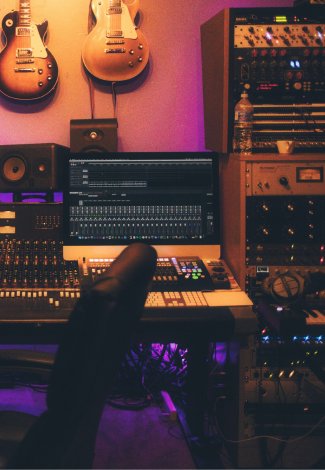

























Acoustic treatment is absorption such as panels, bass traps and foam that controls reflections inside a room, unlike soundproofing, which stops sound entering or leaving.


Acoustic treatment is absorption such as panels, bass traps and foam that controls reflections inside a room, unlike soundproofing, which stops sound entering or leaving.
About Acoustic Treatment
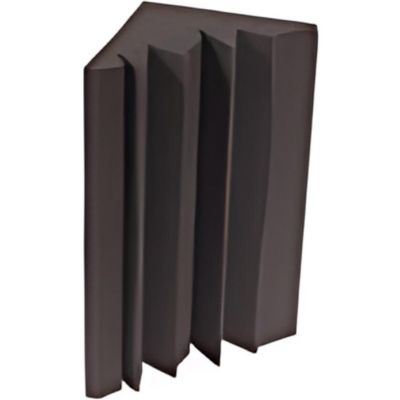
Acoustic treatment controls how sound behaves inside your room by absorbing reflections and resonances, so recordings come out cleaner and mixes translate accurately. A typical room acoustic treatment setup combines absorption panels at the first reflection points, bass traps in the corners for low-frequency build-up, and thicker broadband treatment behind the listening position. Unlike soundproofing, which stops sound entering or leaving a room, treatment improves the sound inside it.
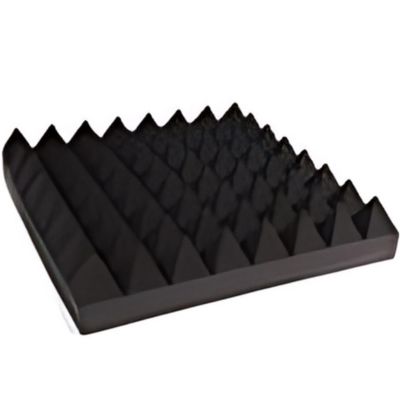
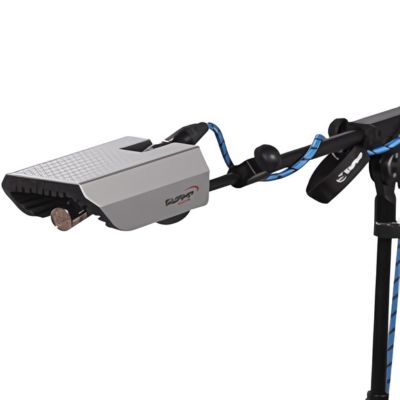
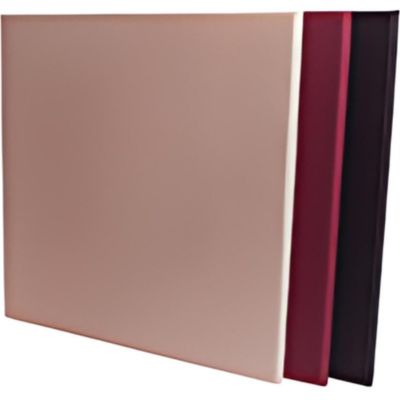
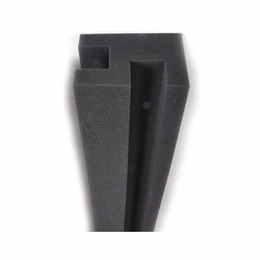
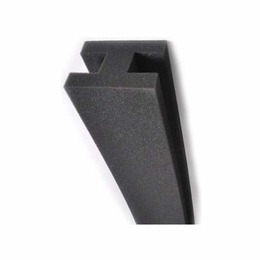
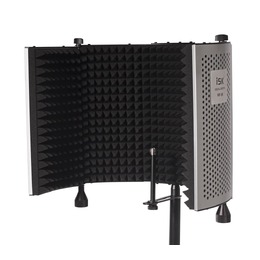
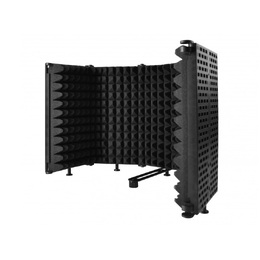
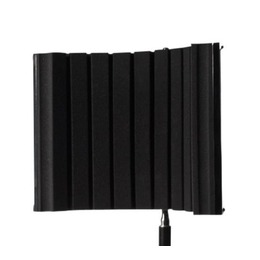
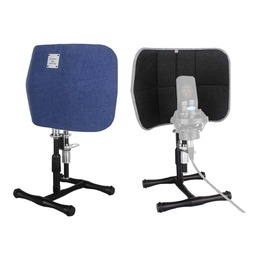
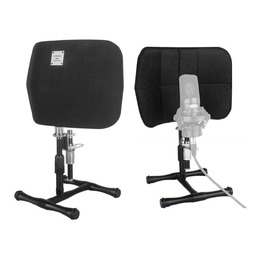
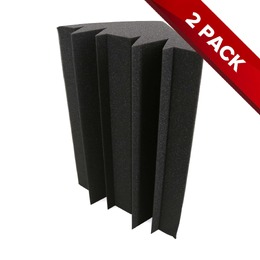
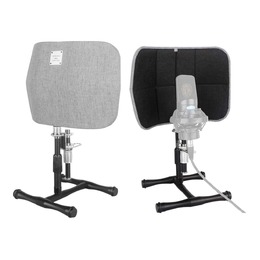
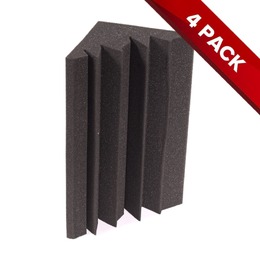
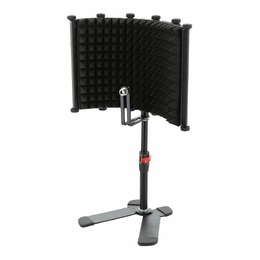
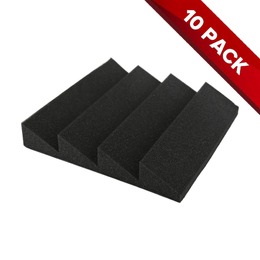
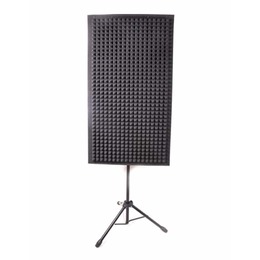
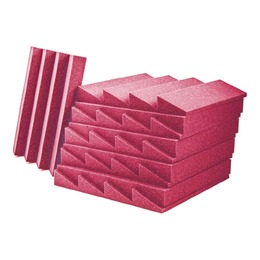
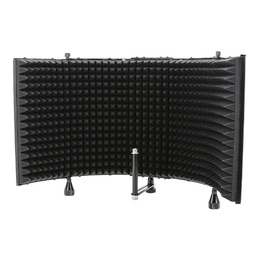
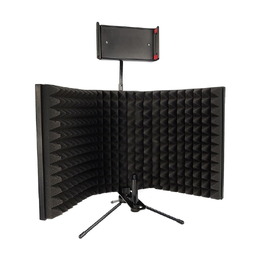
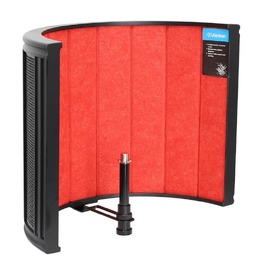
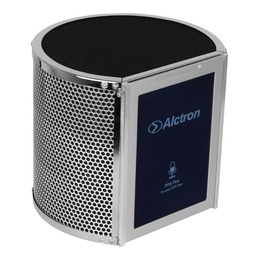
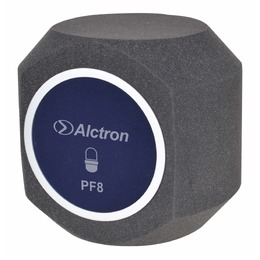
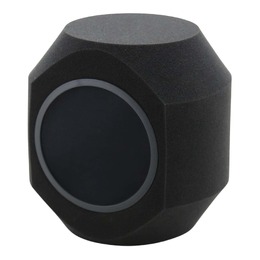
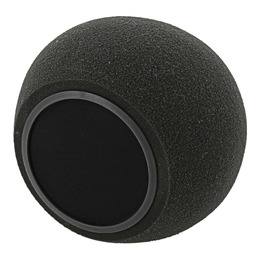
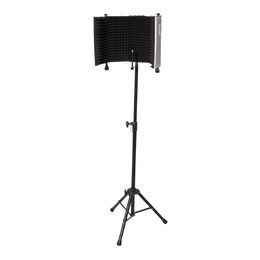
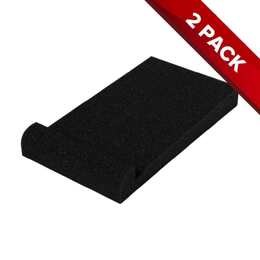
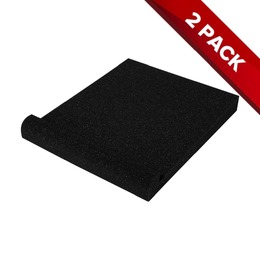
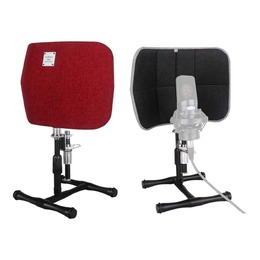
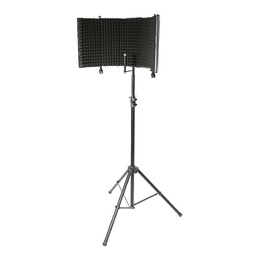
The SWAMP range covers every stage of a room build. Start with acoustic panels and acoustic foam panels to absorb mid and high frequencies, add bass traps to control the low end, and step up to fibreglass acoustic panels for stronger broadband absorption. Recording vocals in an untreated space? A reflection filter mounts behind your microphone to cut room reflections at the source.
Acoustic treatment improves the sound inside a room by absorbing reflections, echo and bass build-up. Soundproofing blocks sound passing through walls and needs dense mass and structural isolation. Foam and fibreglass panels treat a room; they will not stop sound reaching the neighbours.
Start at the first reflection points on the side walls and ceiling between you and your speakers, put bass traps in the corners, and treat the wall behind your listening position. Even partial coverage at these spots makes a clear difference.
Covering roughly 20 to 40 per cent of the wall area is a solid target for most home studios. Prioritise corners and reflection points first, then add panels gradually and listen as you go. Recording rooms benefit from more absorption, while mixing rooms want a balance.