

























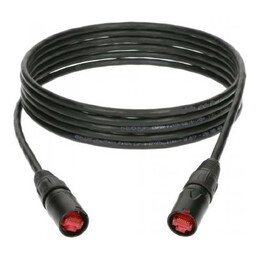
Ethernet cables are Cat 5e and Cat 6 network leads with RJ45 plugs that connect computers, routers and smart TVs, and carry digital audio between mixers and stage boxes.
- By Length Group
- By Connectors
- By Colour
- By Channels
- By Product Type
-
By Stock
- In Stock (18)
- Datamaster (2)
- Power Dynamics (1)
- Powermaster (2)
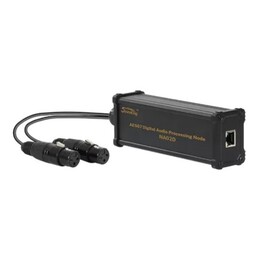
- Radial (8)
- Soundking (5)
- Sun Rise (4)
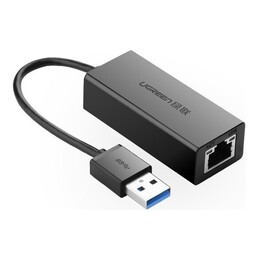
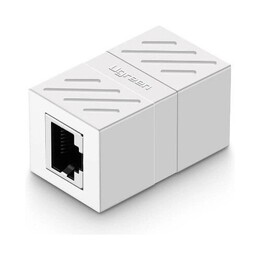
- UGREEN (2)
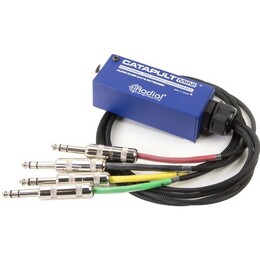
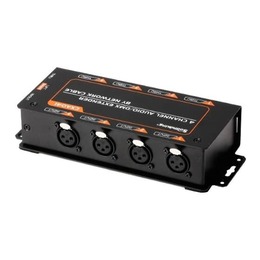
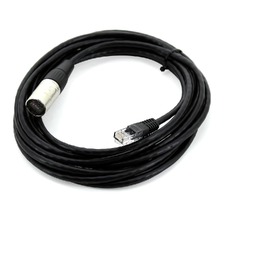
 Pre-Order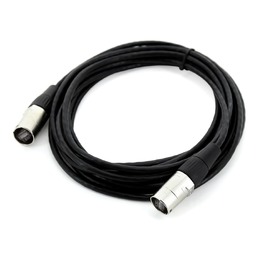
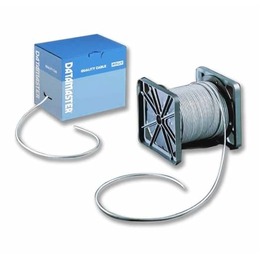
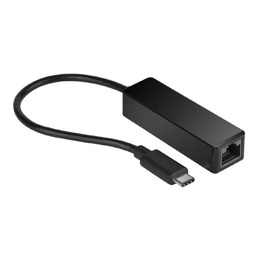
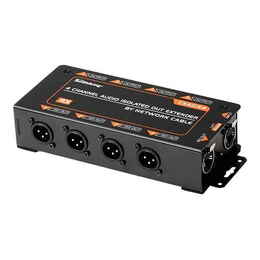
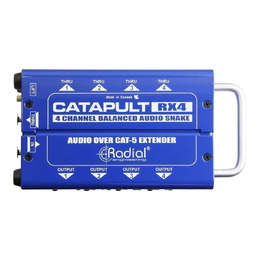
About Ethernet Cables
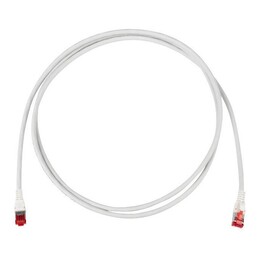
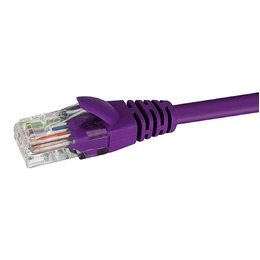
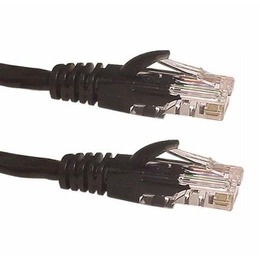
Ethernet cables connect computers, routers, smart TVs and gaming consoles to a wired network, delivering faster and more stable speeds than Wi-Fi. The two common standards are Cat 5e and Cat 6: Cat 5e handles gigabit networking for most home and office setups, while Cat 6 is built to a tighter specification for higher bandwidth and reduced crosstalk.
Ethernet cable has also become a staple of pro audio, carrying digital audio between digital mixing consoles and stage boxes over protocols such as Dante and AES50, so one network lead can replace a heavy analogue multicore. Terminating or repairing your own leads? Grab RJ45 connectors to suit. Browse the wider digital cables range for related connections, including DMX cables for lighting control.
Ethernet Cable FAQs
What is the difference between Cat 5e and Cat 6 ethernet cables?
Cat 5e supports gigabit speeds and suits most home and office networks. Cat 6 is made to a tighter specification with less crosstalk and more bandwidth headroom, making it the better choice for new installations and demanding applications.
Can I use an ethernet cable for audio?
Yes. Digital audio protocols such as Dante and AES50 run over standard Cat 5e and Cat 6 cable, linking digital mixing consoles to stage boxes with a single network lead instead of a bulky analogue snake.
Does ethernet cable length affect speed?
Not noticeably in normal use. Cat 5e and Cat 6 are both rated for runs up to 100m before a signal needs regenerating, so simply choose the length that reaches comfortably.