


























Electric guitar strings are nickel and steel alloy sets read by a guitar's magnetic pickups, with gauges from a light 9-42 up to heavy sets that shape both tone and playing feel.


Electric guitar strings are nickel and steel alloy sets read by a guitar's magnetic pickups, with gauges from a light 9-42 up to heavy sets that shape both tone and playing feel.
About Electric Guitar Strings
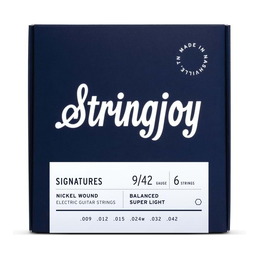
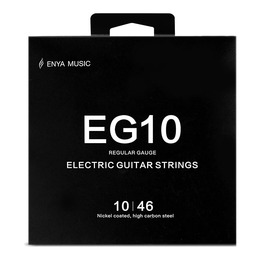
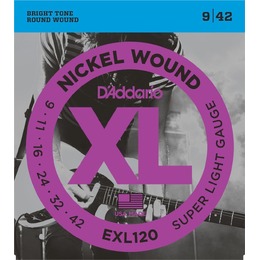
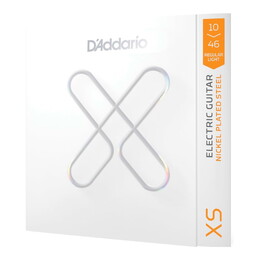
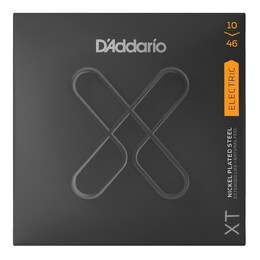
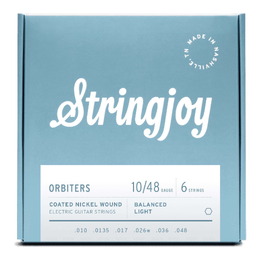
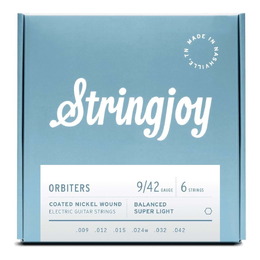
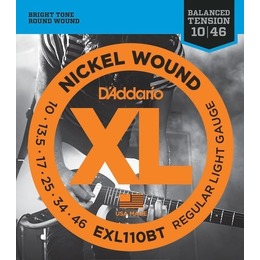
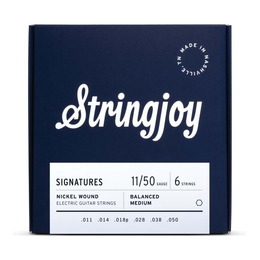
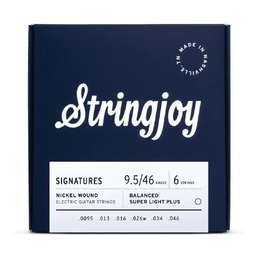
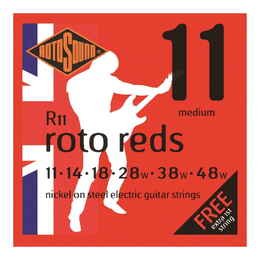
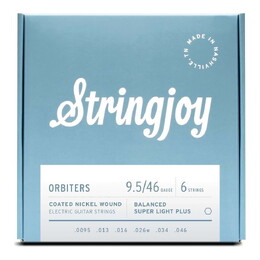
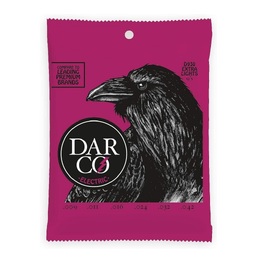
Electric guitar strings are wound from magnetic alloys so your pickups can translate every note, and the gauge and material you choose shape both tone and feel. Light sets such as 9-42 are easy to bend and suit lead playing and beginners, regular 10-46 sets are the popular all-rounder, and heavier or hybrid sets add tension and sustain for rhythm work and lower tunings.
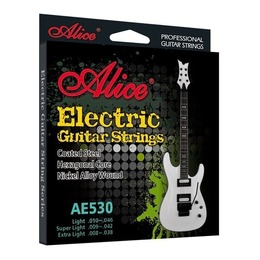
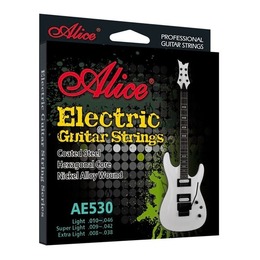
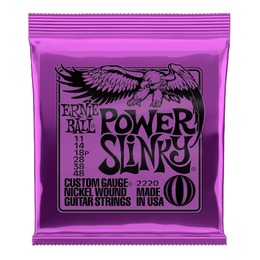
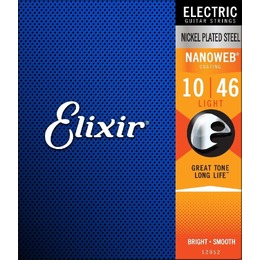
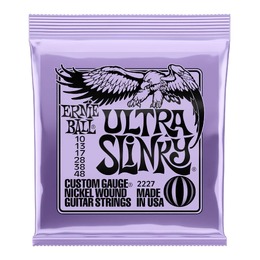
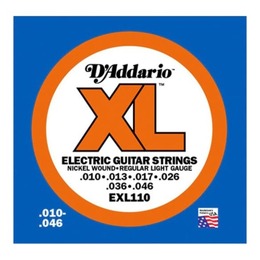
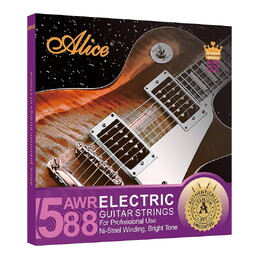
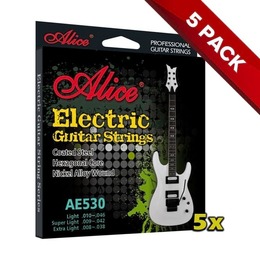
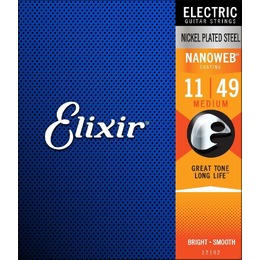
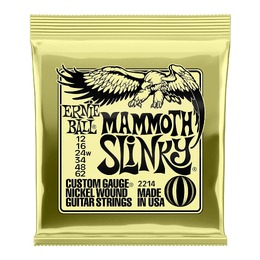
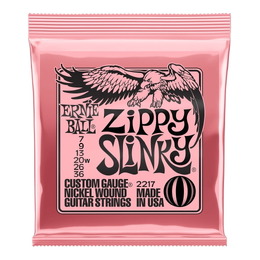
Materials matter too: nickel-plated steel delivers a balanced tone, pure nickel leans warm and vintage, stainless steel is brighter and longer-lasting, and coated sets such as Elixir Nanoweb and Optiweb keep their tone for months. Browse Ernie Ball Slinky sets, including 7 string and 8 string options, D'Addario XL Nickel Wound strings and affordable Alice sets to match your sound. Restringing a bass? See our bass guitar strings.
For most players the best electric guitar strings to start with are a 9-42 or 10-46 set: 9-42 is easier to bend and gentler on the fingers, while 10-46 adds a little more tension and a fuller tone. Move to 11-49 or heavier and hybrid sets for drop tunings and hard-hitting rhythm styles.
Not on a standard electric guitar. Magnetic pickups only sense steel and other ferromagnetic strings, so nylon strings produce almost no output and are not a practical option. If you want a softer feel under the fingers, choose a lighter gauge steel set like 9-42 instead.
If you change strings infrequently or your sweat kills strings quickly, yes. Coated sets like Elixir Nanoweb and Optiweb cost more upfront but hold their tone several times longer than uncoated strings.