


























A tremolo pedal is a modulation effect that pulses the guitar's volume at a chosen speed and depth, from a gentle throb to a choppy stutter, often with selectable wave shapes.


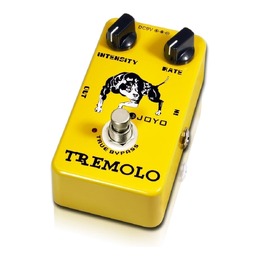
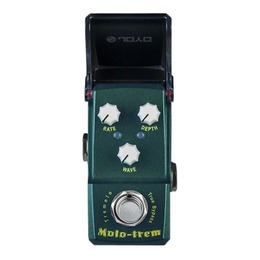
About Tremolo Guitar Pedals
Tremolo is one of the oldest guitar effects, first built into vintage valve amps, where it was often labelled vibrato on tweed and blackface models. A tremolo pedal modulates your volume up and down at a set speed and depth, producing anything from a slow, subtle pulse to a hard, rhythmic stutter. Many modern tremolo pedals also offer wave shape options such as sine, square and sawtooth, each giving the on-off pattern a different character.
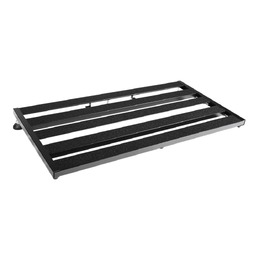
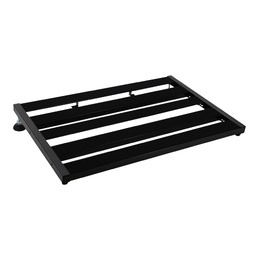
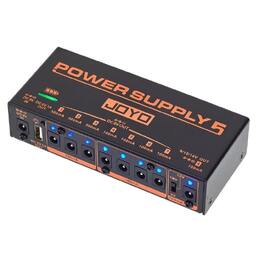
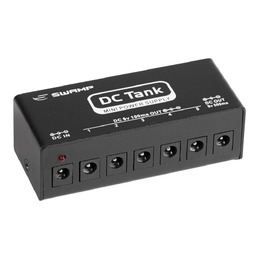
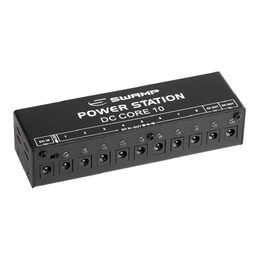
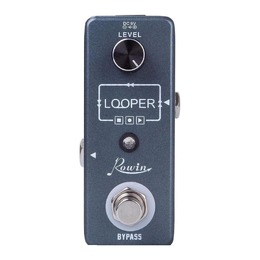
Our tremolo range is led by affordable JOYO stompboxes, alongside boutique options that combine tremolo with other modulation effects. Tremolo sits naturally beside effects like chorus, phaser and flanger on a pedal board, and you can browse the complete guitar pedals range for more effect types. Setting up a board? Grab a reliable pedal power supply while you are here.
Tremolo Pedal FAQs
What does a tremolo pedal do?
A tremolo pedal rhythmically raises and lowers your guitar's volume. Speed sets how fast the pulse cycles, depth sets how far the volume dips, and wave shape controls whether the change is smooth or abrupt.
What is the difference between tremolo and vibrato?
Tremolo modulates volume, while vibrato modulates pitch. The confusion dates back to vintage amps, which often labelled their built-in tremolo circuits as vibrato.
Where should a tremolo pedal go in the signal chain?
Place tremolo after your drive and distortion pedals, with your other modulation effects, and before delay and reverb. This keeps the volume pulse clear and defined rather than smeared by ambience.