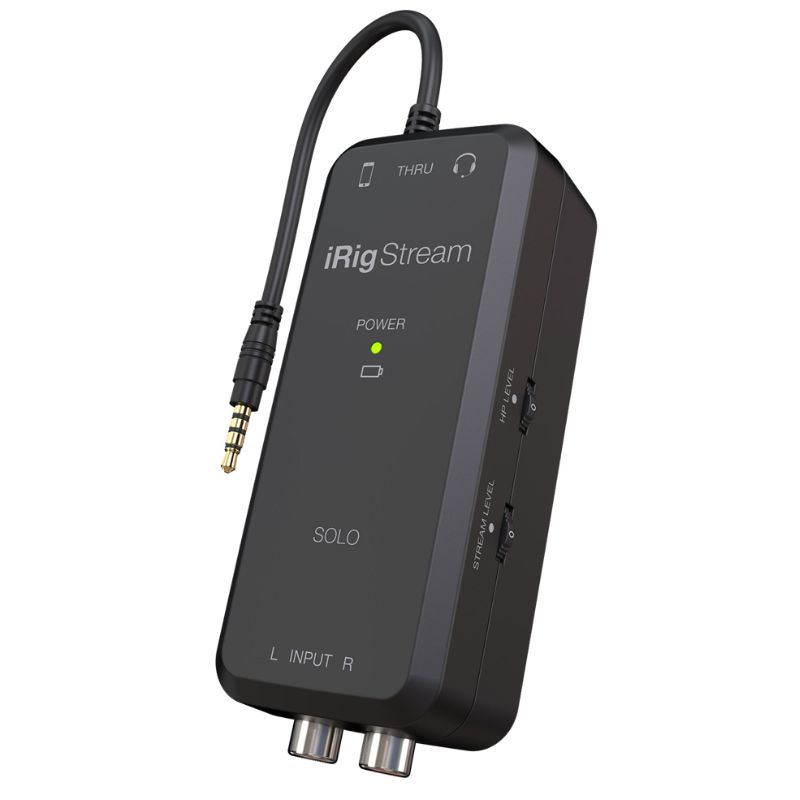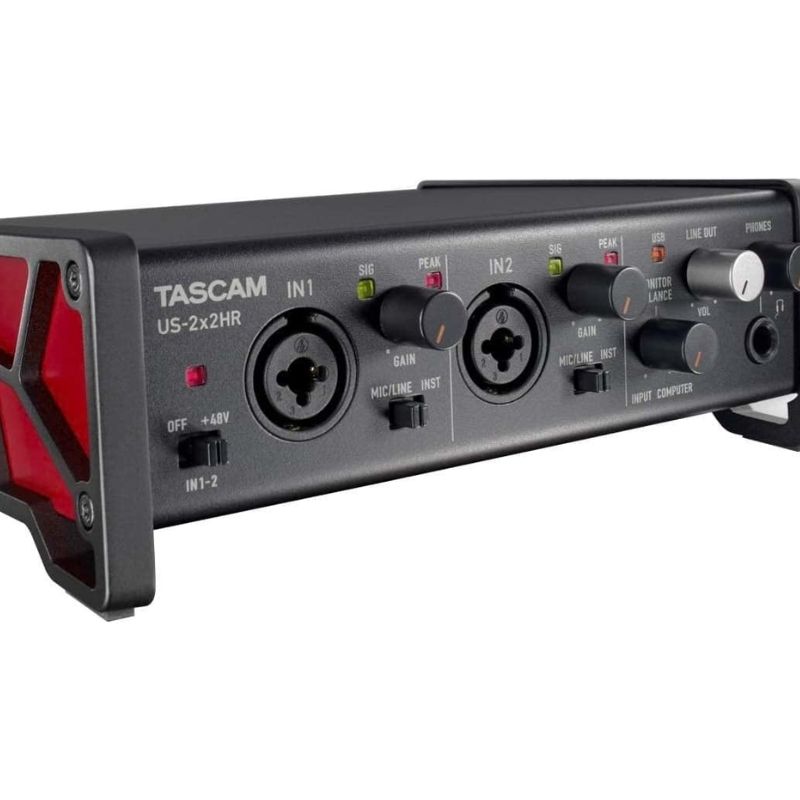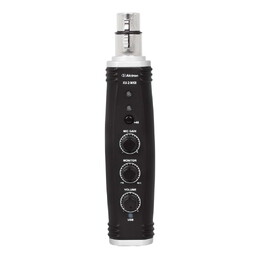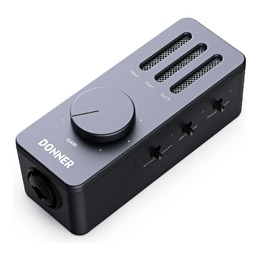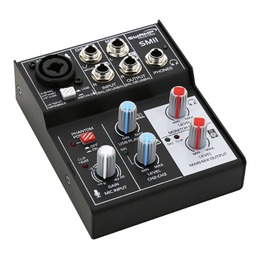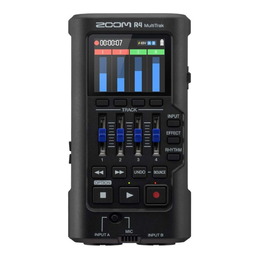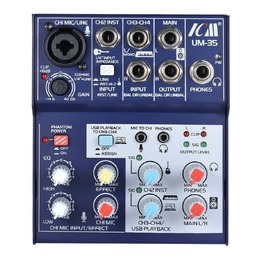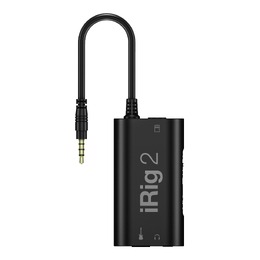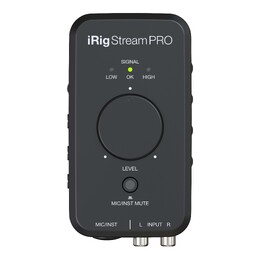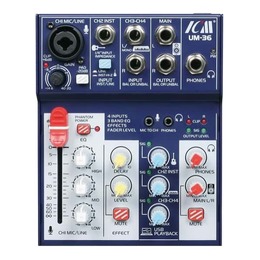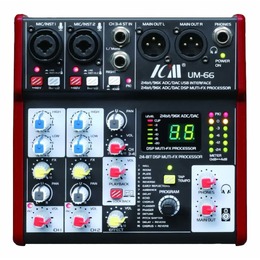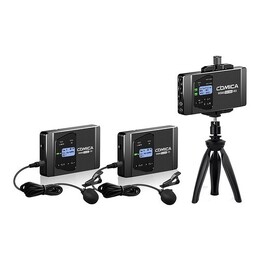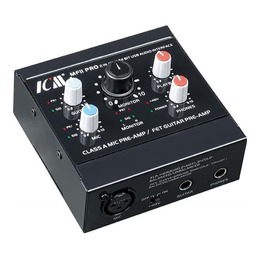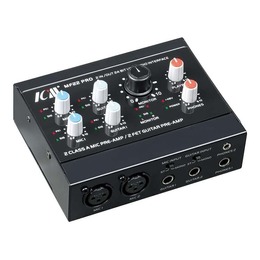

























An audio interface is the box between a computer and its microphones, instruments and speakers, turning analogue signal into digital audio and back for recording software.


An audio interface is the box between a computer and its microphones, instruments and speakers, turning analogue signal into digital audio and back for recording software.
About Audio Interfaces
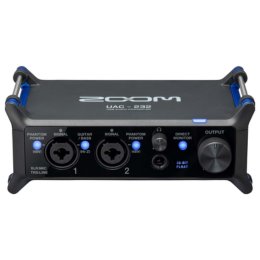
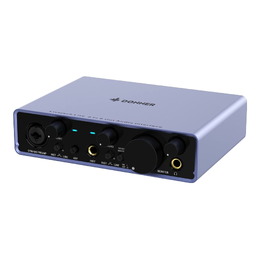
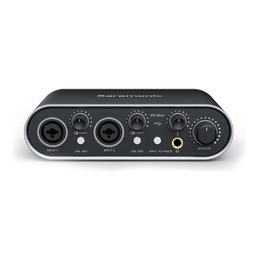
An audio interface connects your microphones, instruments and speakers to your computer, converting analogue signals into high-quality digital audio for your recording software. Compared with a computer's built-in sound card, an interface delivers cleaner preamps, lower latency and proper connections for XLR microphones and guitar leads, which is why it is the first upgrade for any home studio, podcast or streaming setup.
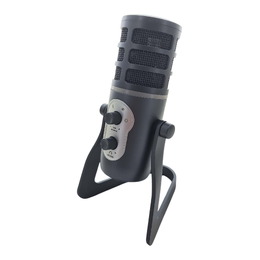
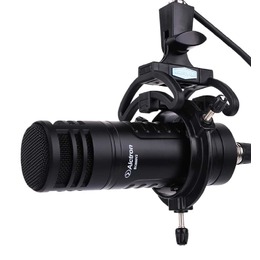
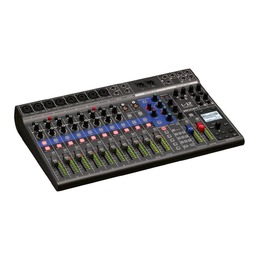
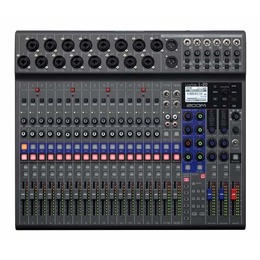
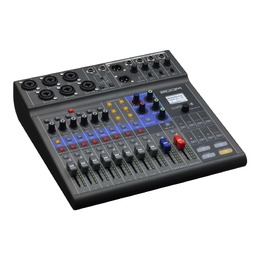
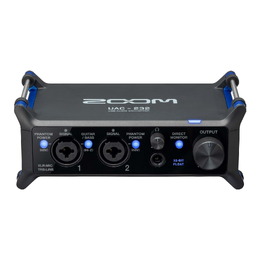
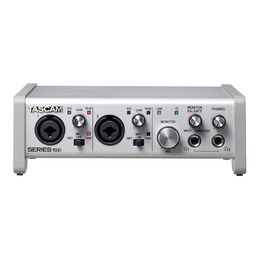
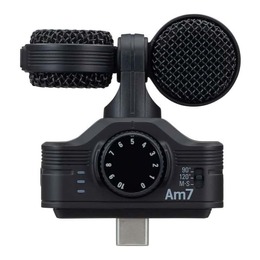
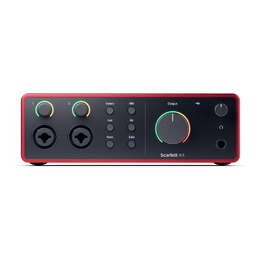
The SWAMP range covers everything from compact 2-channel USB audio interfaces, including the hugely popular Focusrite Scarlett series, through to multi-track TASCAM audio interfaces and Zoom units for recording full bands. Interfaces with XLR inputs supply 48V phantom power for condenser microphones, and headphone outputs let you monitor yourself in real time while you record. Pair your interface with studio microphones and studio monitors to complete your setup.
It converts the analogue signal from a microphone or instrument into digital audio your computer can record, and converts computer audio back out to your speakers or headphones. Dedicated converters and preamps give a much cleaner result than a built-in sound card.
A 2-input interface such as the Focusrite Scarlett 2i2 covers most home recording: one microphone plus a guitar, or a stereo pair. Recording drums or a full band calls for a multi-track interface with 4 or more mic preamps.
Yes. Modern interfaces are class compliant or ship with drivers for both Windows and macOS, and work with all major DAWs, including Ableton Live, Logic Pro, Pro Tools, Reaper and GarageBand. Many also include bundled recording software to get you started.