































An active DI box uses a powered preamp, run from 48V phantom power, to convert a weak instrument signal into a balanced feed, which suits passive guitar, bass and piezo pickups.
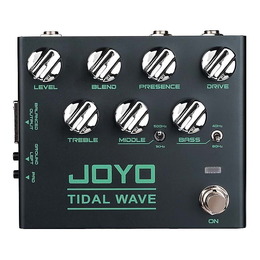
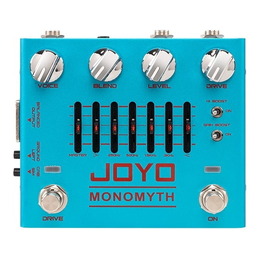
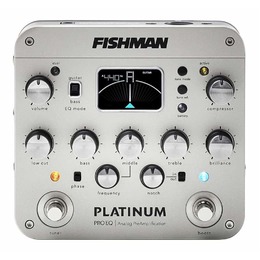
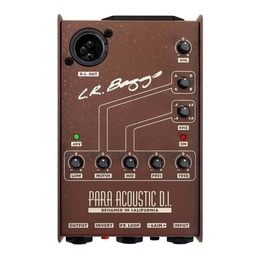

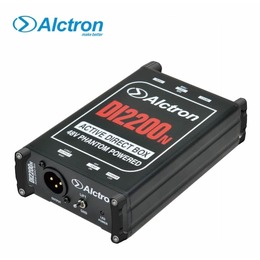
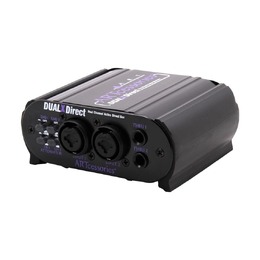
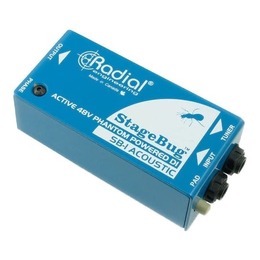

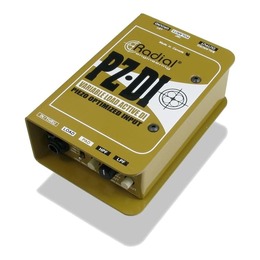
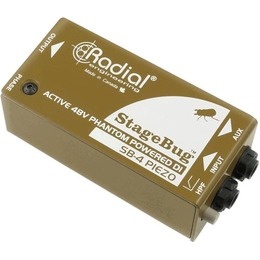
About Active DI Boxes
An active DI box, also sold as an active direct box, uses a powered preamp circuit to convert the unbalanced, high-impedance output of an instrument into a balanced, low-impedance signal that runs cleanly over long cable distances to the mixing desk. The very high input impedance of an active design preserves the tone and top end of low-output sources, which is why active DIs are the standard choice for passive guitar and bass pickups and piezo-equipped acoustic instruments.
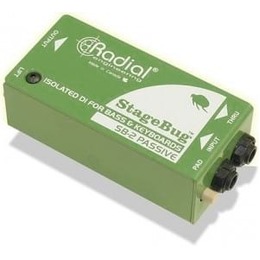
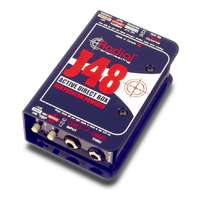
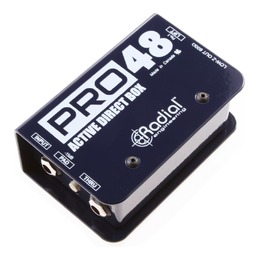
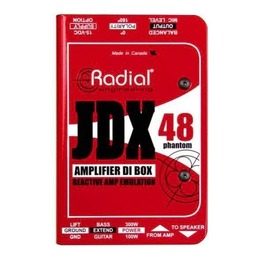
Active DI boxes here run on 48V phantom power supplied by the mixing desk or audio interface, with the range spanning affordable SWAMP units through to professional designs from Radial. Connect the balanced output to the desk with an XLR cable. For hot signals from keyboards and active instruments, a passive DI box is often the better match, or browse the full DI box range to compare.
Active DI Box FAQs
What is the difference between an active and a passive DI box?
An active DI uses a powered preamp with a very high input impedance, while a passive DI uses a transformer and needs no power. Active DIs preserve the tone of quiet, high-impedance sources like passive guitar and bass pickups, while passive DIs handle hot signals from keyboards and active instruments gracefully.
Do active DI boxes need phantom power?
Yes, an active DI needs a power source for its preamp circuit. Most run on 48V phantom power sent down the XLR cable from the mixing desk or audio interface, and some models can also run on a battery.
When should I choose an active DI box?
Choose active when your source has a weak or high-impedance output, such as a passive electric guitar or bass, or the piezo pickup in an acoustic guitar. The buffered preamp keeps the high frequencies intact over long cable runs to the desk.