

























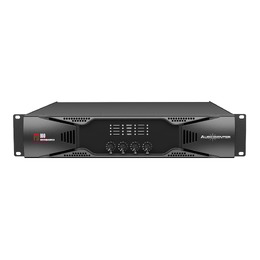
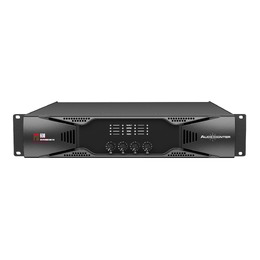
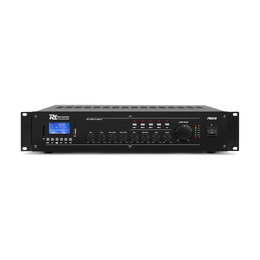
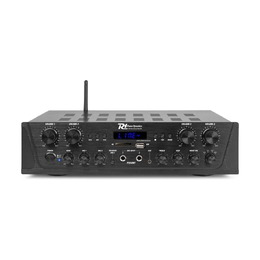
A power amplifier, or power amp, is the separate unit that lifts a mixer's line level output to the level needed to drive passive PA speakers and subwoofers.
- By Channels
- By Product Type
-
By Stock
- In Stock (6)
- Audiocenter (6)
- Power Dynamics (4)
- Soundking (1)
- Vonyx (1)
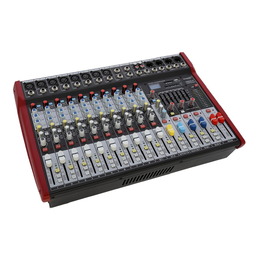
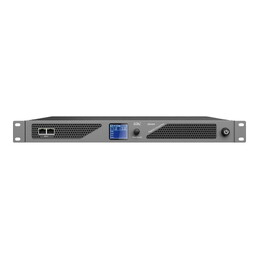
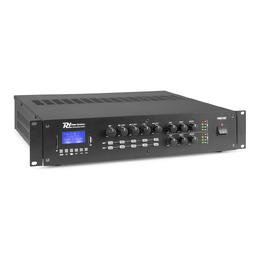
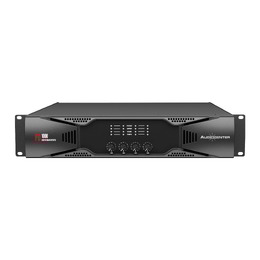
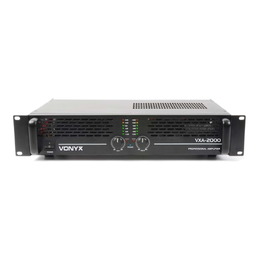
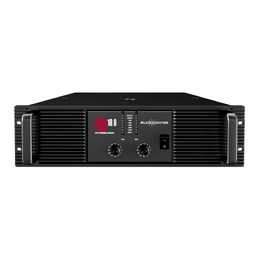
About Power Amplifiers
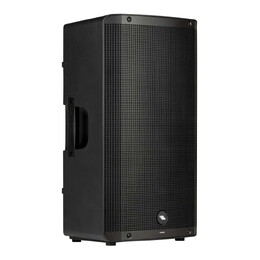
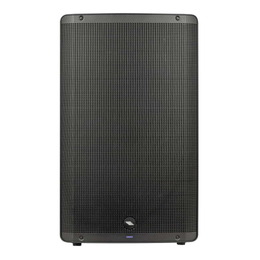
A power amplifier, or power amp, takes a line-level signal from your mixer and boosts it to drive passive speakers. External power amps have long been the backbone of PA systems, from garage band practice rigs to the amp racks powering festival speaker stacks, and they remain the standard approach for larger passive systems and installs.
While powered speakers now build the amplifier into the box, a separate power amp still has real advantages: cleaner sound at high output levels over long sessions, with less risk of peaking and overheating. It also lets you match amplification to your speakers and subwoofers exactly, or upgrade one part of the system without replacing the rest. Browse the full speakers and amplifiers range to build a complete rig.
Power Amplifier FAQs
Do I need a power amplifier for passive speakers?
Yes. Passive speakers have no built-in amplification, so they must be driven by an external power amplifier. The mixer's line-level output alone cannot power them.
What is the difference between a power amplifier and powered speakers?
Powered speakers have the amplifier built into the cabinet, which keeps setups simple. A separate power amplifier driving passive speakers offers cleaner output at sustained high levels, easier component upgrades, and less weight up on the speaker poles.
How do I match a power amp to my speakers?
Check your speakers' rated power handling and impedance, then choose an amp that can deliver clean power into that impedance with some headroom. Running an amp with headroom is safer than pushing a smaller amp into distortion.