





























A fuzz pedal, or fuzz box, is a guitar effect whose transistor circuit clips the signal into a thick square wave, from raspy vintage grit to singing sustain.


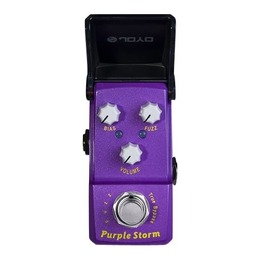
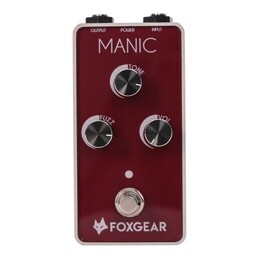
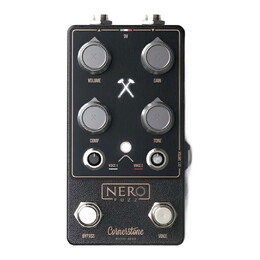
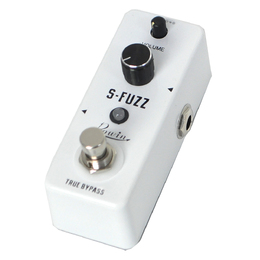
About Fuzz Guitar Pedals
The fuzz pedal is the godfather of guitar distortion. Born in the early 60s, its transistor-based circuit clips the signal into a thick, saturated square wave, delivering everything from raspy vintage grit to singing sustained leads and full walls of sound. Think classic 60s riffs, psychedelic solos and modern stoner and doom tones. Fuzz is equally at home on bass, where a bass fuzz pedal delivers grinding low-end weight.
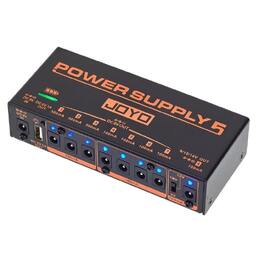
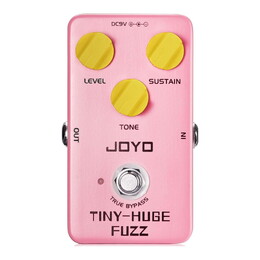
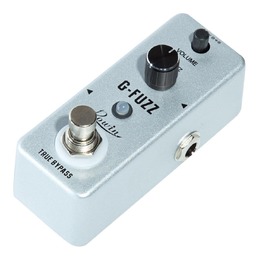
SWAMP stocks fuzz guitar pedals from JOYO and Rowin at entry-friendly prices, alongside boutique options from Foxgear, Empress Effects and Cornerstone. Fuzz sits at the wilder end of the gain family, so if you want something more controlled, compare our distortion pedals and overdrive pedals, or go harder with heavy metal pedals. A noise gate pedal helps tame high-gain hiss, and a quality pedal power supply keeps noisy circuits quiet.
Fuzz Pedal FAQs
What is the difference between fuzz, distortion and overdrive?
Overdrive gently pushes a tube-style breakup, distortion clips harder for a tighter saturated tone, and fuzz clips hardest of all, squaring off the signal for thick, woolly sustain. Fuzz is the oldest and most extreme of the three.
Should I choose a germanium or silicon fuzz?
Germanium transistors sound warmer and smoother and clean up beautifully with your guitar's volume knob, while silicon is brighter, more aggressive and more consistent. Neither is better; they are simply different flavours of the classic fuzz sound.
Where does a fuzz pedal go in the signal chain?
Classic fuzz circuits like to see your guitar directly, so place fuzz first in the chain, before wah and buffered pedals where possible. If your fuzz sounds thin or fizzy, chain position is the first thing to check.