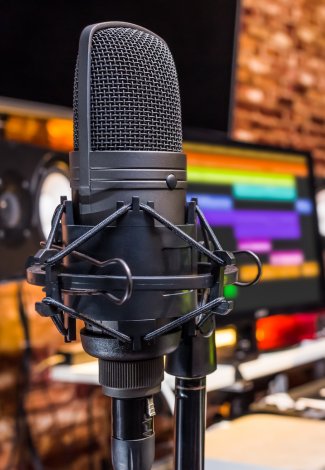




























Audio signal processors are units that sit between a sound source and the speakers, shaping tone, adding clean gain, removing hum and routing signals around a rig.


Audio signal processors are units that sit between a sound source and the speakers, shaping tone, adding clean gain, removing hum and routing signals around a rig.
About Audio Signal Processors
Signal processors sit between your sources and your speakers, shaping tone, controlling gain and cleaning up problems in the signal chain. In a live rig they help tame feedback, balance a mix and remove hum, while in the studio the right audio processor adds clean gain and polish to recordings.
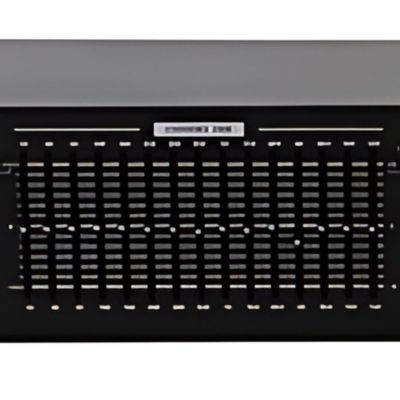
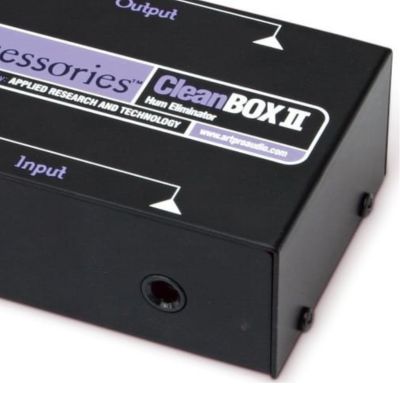
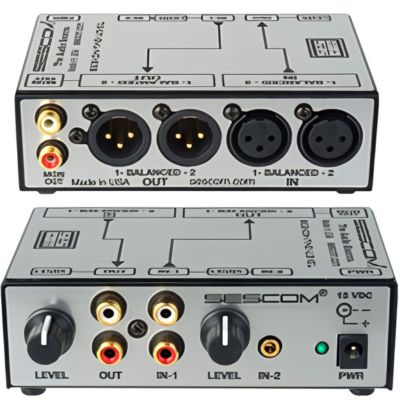
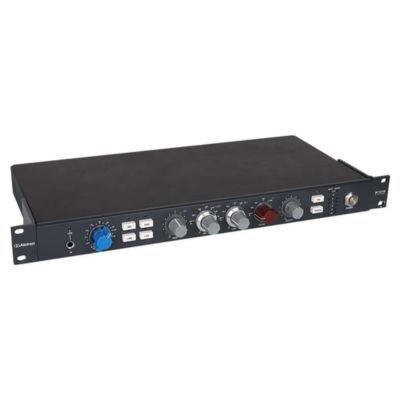
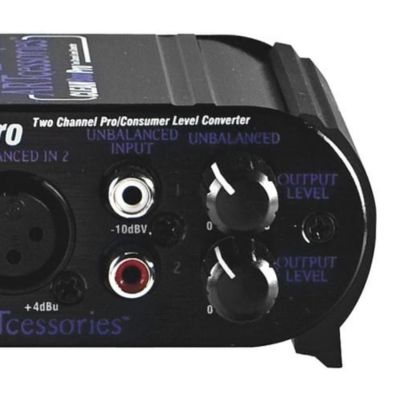
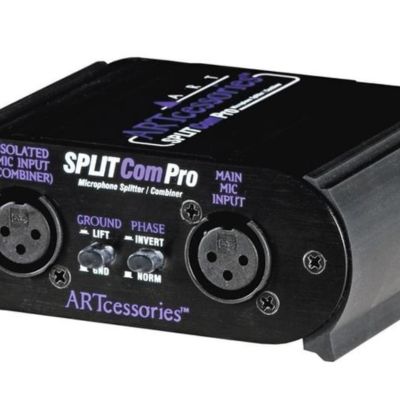
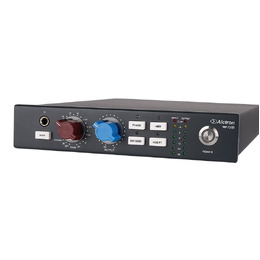
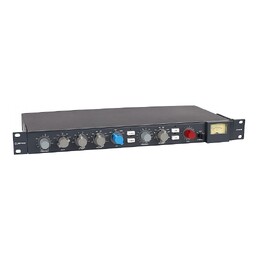
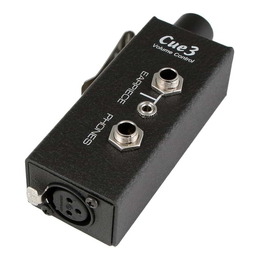
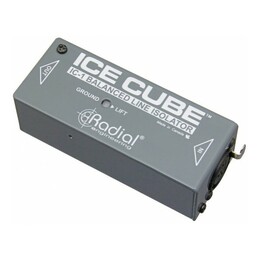
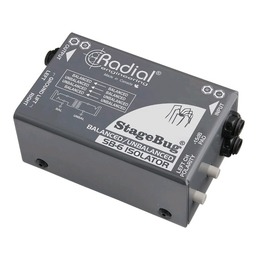
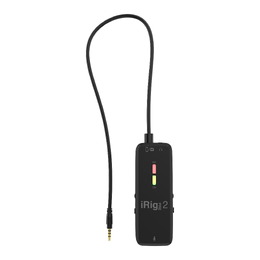
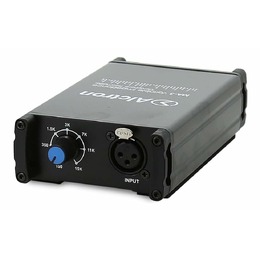
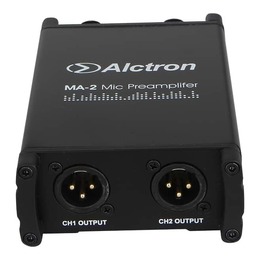
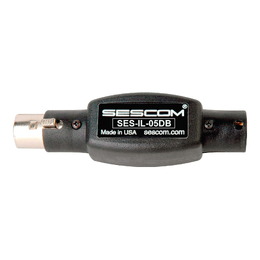
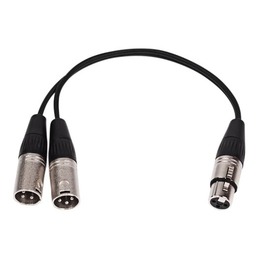
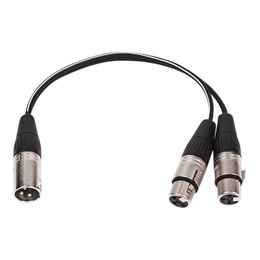
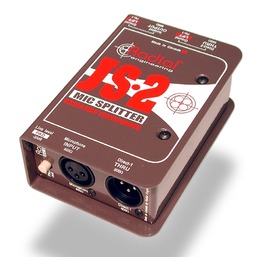
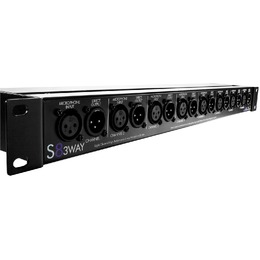
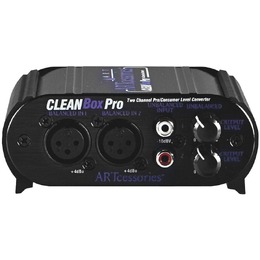
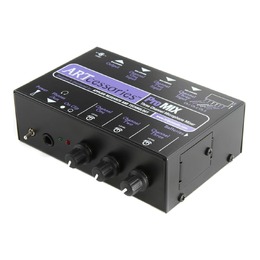
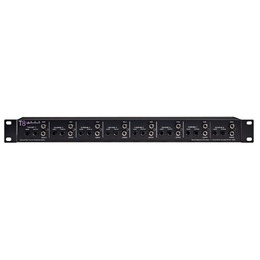
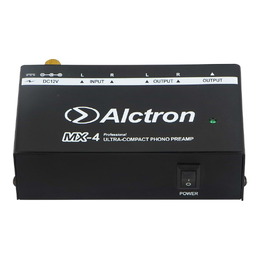
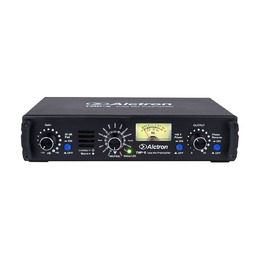
The range covers audio equalisers for tone shaping and feedback control, microphone preamps for clean gain, hum eliminators for removing ground loop noise, plus signal splitters and combiners and signal converters for routing signals and connecting mismatched gear. Brands include Alctron and ART, spanning budget-friendly and professional applications.
A signal processor changes an audio signal somewhere between the source and the output, whether that is adjusting tone with an equaliser, boosting a microphone with a preamp or converting between signal types. Each unit handles one job in the signal chain, so many setups combine two or three processors.
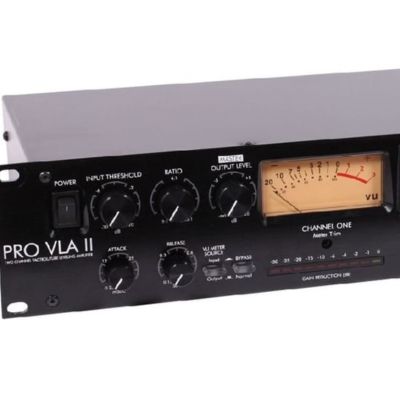
Common types include equalisers for tone shaping, compressors and limiters for dynamics control, noise gates, crossovers for speaker management, microphone preamps for clean gain and hum eliminators for removing ground loop noise. Most rigs combine two or three of these in the chain between sources, mixer and speakers.
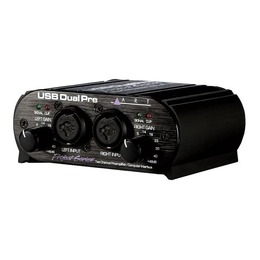
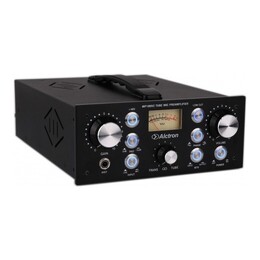
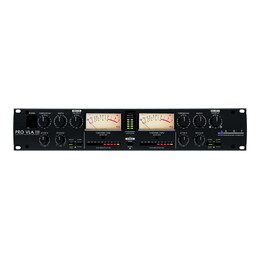
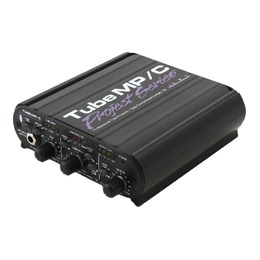
Mixers and audio interfaces already include basic preamps, so a separate unit is not essential. A dedicated microphone preamp adds cleaner gain and more headroom, which helps with quiet sources, ribbon mics and higher-quality recordings.


 Pre-Order