


















Standard USB cables are the classic USB-A, USB-B, Mini USB and Micro USB leads that connect audio interfaces, MIDI keyboards, printers, cameras and phones to a computer.
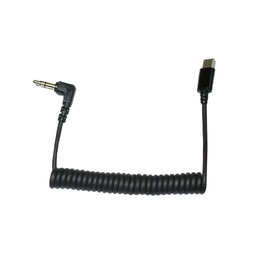
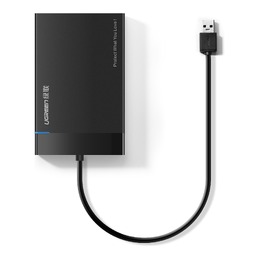
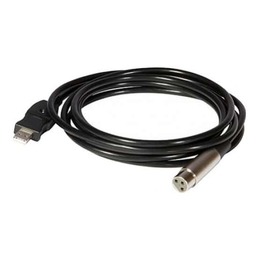
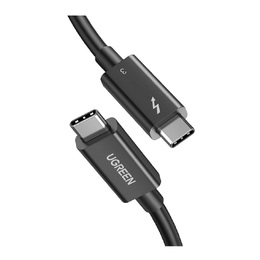
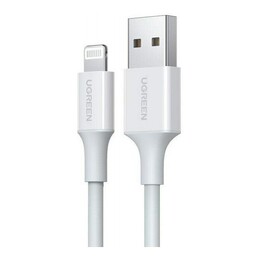
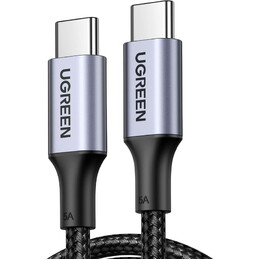
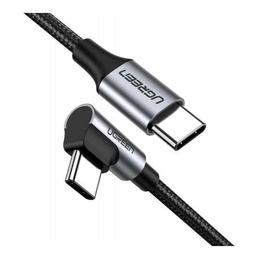
About Standard USB Cables
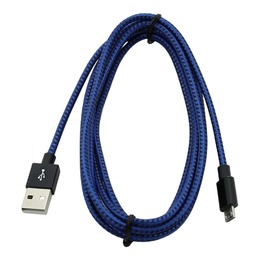
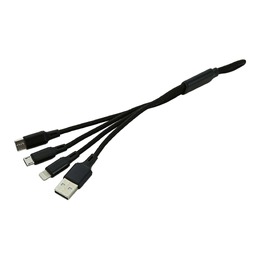
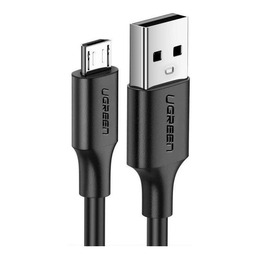
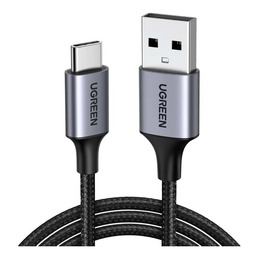
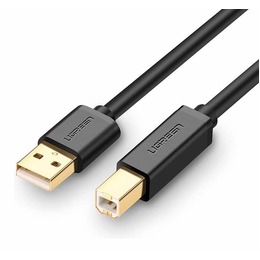
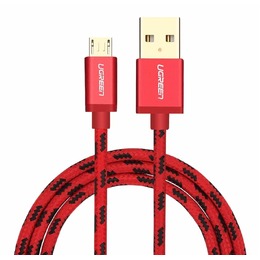
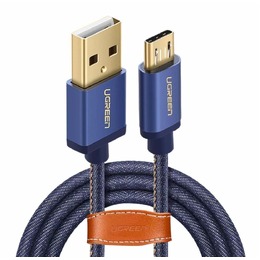
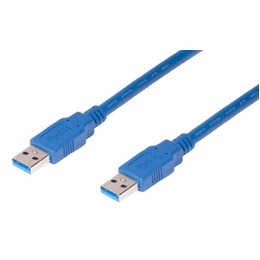
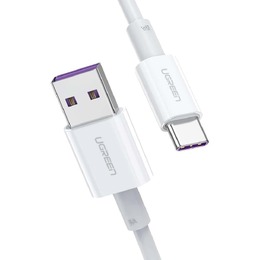
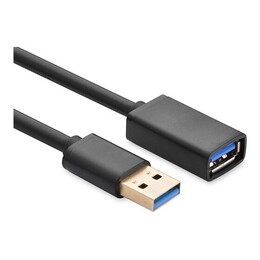
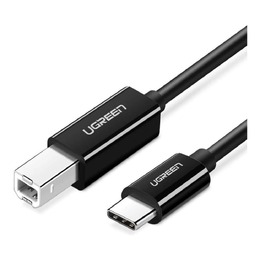
Standard USB cables cover the classic connector family: USB-A, USB-B, Mini USB and Micro USB, in USB 2.0 and USB 3.0 versions. USB-A is the familiar flat plug found on computers and chargers, while USB-B is the squarish plug on the back of printers and many audio interfaces. Mini USB appears on older cameras and multimedia devices, and Micro USB remains common on Bluetooth headphones, smartphones, PS4 controllers and other compact gear, handling both charging and data.
The USB-A to USB-B lead is the workhorse of the home studio, connecting USB audio interfaces, MIDI keyboards and printers to your computer. USB 2.0 carries up to 480Mbps, plenty for audio recording and everyday peripherals, while USB 3.0 lifts speeds to 5Gbps for external drives and faster devices. Newer gear with the reversible connector is covered in our USB-C cables range, the full lineup lives under USB cables, and a USB hub adds extra ports when you run out.
Standard USB Cable FAQs
What cable connects an audio interface to a computer?
Most USB audio interfaces use a USB-A to USB-B cable, the same lead used by printers. Newer interfaces have moved to USB-C, so check the socket on your unit before ordering.
What is a Micro USB cable?
A Micro USB cable has the small, flat connector used on Bluetooth headphones, PS4 controllers, older smartphones and other compact devices, carrying both charging and data. Newer gear has largely moved to the reversible USB-C connector, but plenty of everyday devices still charge over Micro USB, so replacement leads remain in steady demand.
Do I need USB 3.0 for audio recording?
Usually not. Audio data rates sit well within USB 2.0 bandwidth, which is why most audio interfaces still use it. USB 3.0 matters more for external drives and video capture where large files move quickly.