






























A noise gate pedal, also called a noise suppressor, is a threshold-based mute that opens as the guitar is played and shuts out hum, buzz and hiss between phrases.


About Noise Gate Guitar Pedals
A noise gate pedal removes unwanted hum, buzz and hiss from a guitar rig by setting a volume threshold: when you play, the gate opens and your signal passes through; when you stop, the gate closes and the background noise disappears with it. High-gain and metal rigs benefit most, since distortion amplifies every bit of noise in the chain, and the same pedals work just as well on bass.
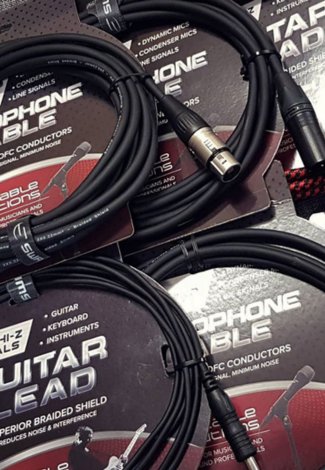
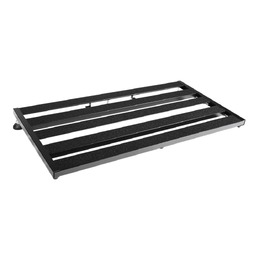
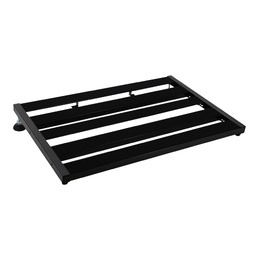
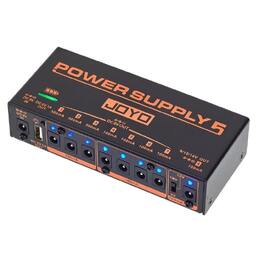
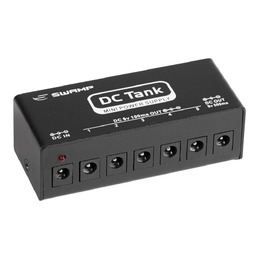
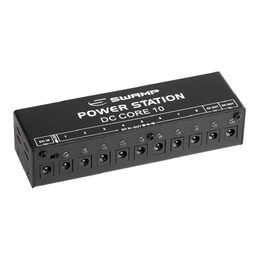
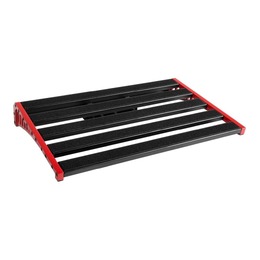
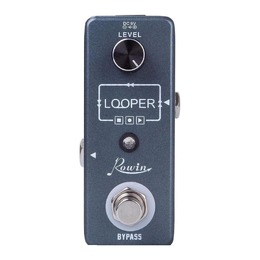
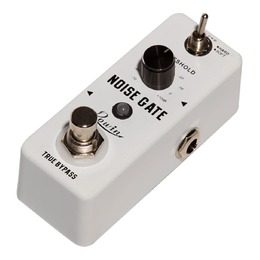
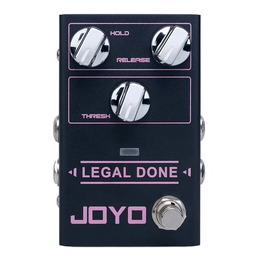
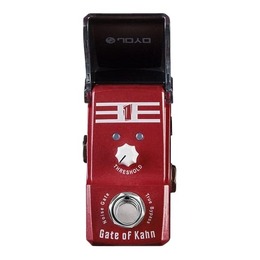
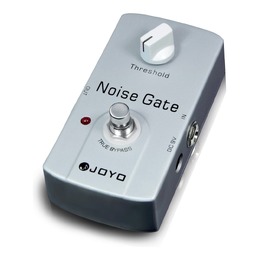
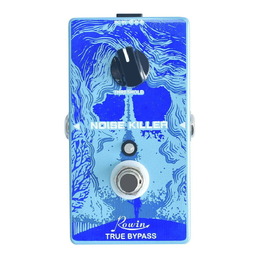
The range runs from compact, affordable options like the Rowin LEF-319 mini gate and RE-03 Noise Killer to the classic JOYO JF-31, the Ironman JF-324 Gate of Kahn and the flagship JOYO R-23 Legal Done. A gate works best once you have fixed noise at the source, so pair it with an isolated pedal power supply, quality guitar leads and sensible gain staging. Browse the full guitar pedals range, see all JOYO pedals, or tidy your rig with pedal boards.
Noise Gate Pedal FAQs
What does a noise gate pedal do?
It silences your signal whenever the level drops below a threshold you set. Play a note and the gate opens instantly; stop playing and it closes, muting hum, hiss and amp buzz between phrases. Set the threshold just above your rig's noise floor for transparent results.
Where should a noise gate go in my signal chain?
Place it after your drive and distortion pedals, where the noise is loudest, but before delay and reverb so their tails are not cut off. If your amp's preamp is the noisy culprit, running the gate in the amp's effects loop works even better.
Is a noise suppressor the same as a noise gate?
Effectively, yes. Noise suppressor is simply another name some brands use for a noise gate pedal, and both work by closing off your signal below a set threshold. Whatever the label, the job is identical: a quieter rig between notes.