


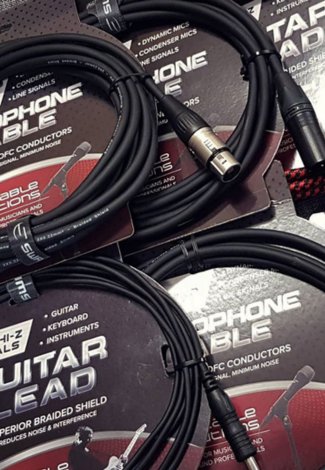


























A passive PA speaker has no built-in amplifier and is driven by an external power amp, which keeps the cabinet simple, rugged and lighter to lift on a gig.
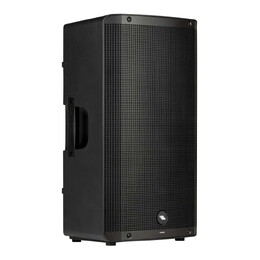
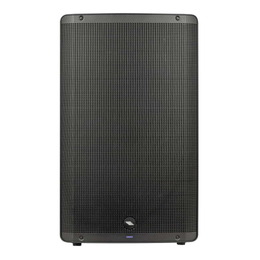
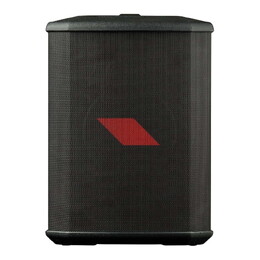
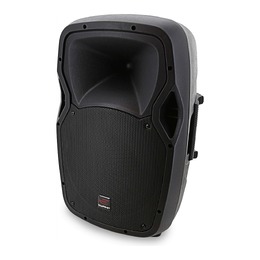
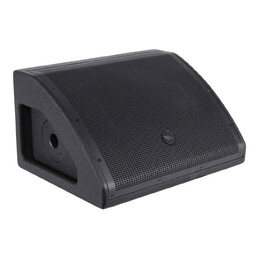




About Passive PA Speakers
Passive speakers have no built-in amplifier, so they are driven by an external power amplifier. This split design is the choice of most professional PA suppliers: amplifiers stay in the rack where they run cooler and are easier to service, while the speaker cabinets themselves are simple, rugged and lighter to lift. A properly matched amp also gives a passive rig extra headroom, keeping the signal clean at high volume.
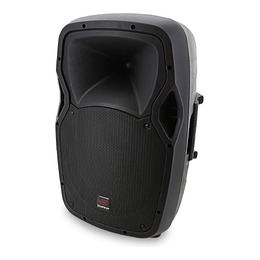
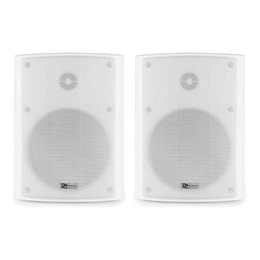
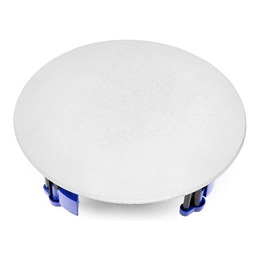
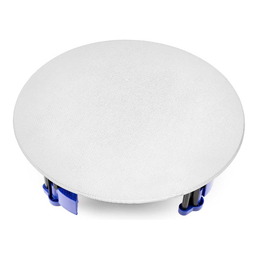
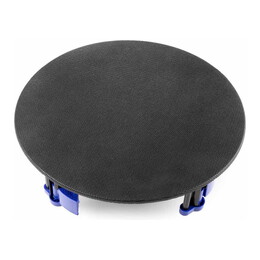
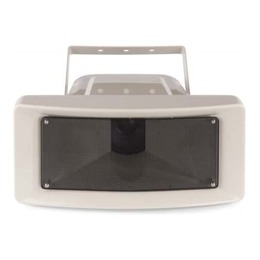
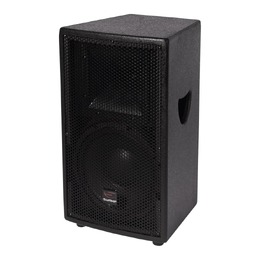
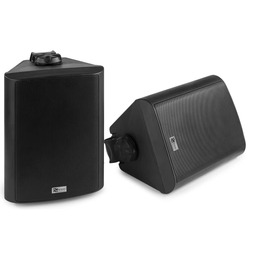
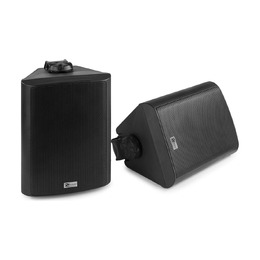
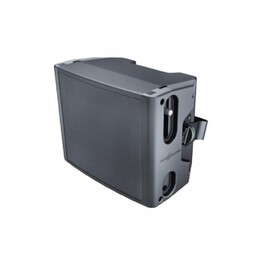
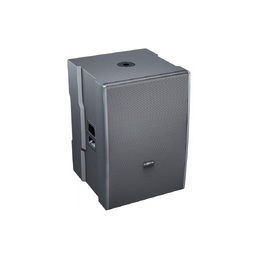
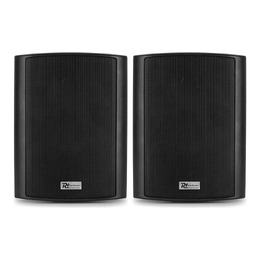
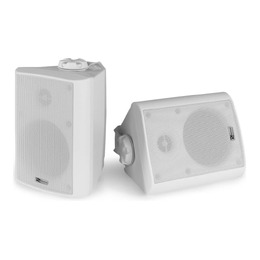
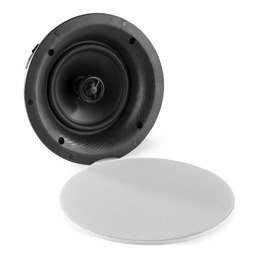
The range covers SWAMP 10" and 12" 2-way passive PA boxes, 18" passive subwoofers, Audiocenter passive line array speakers, and 100V line installation speakers from Power Dynamics for ceilings, cafes and outdoor areas. Prefer an all-in-one setup? See our powered speakers, add low end with subwoofers, or get gig-ready with PA system packages and speaker stands.
Passive Speaker FAQs
What is the difference between passive and powered speakers?
Passive speakers need an external power amplifier, while powered (active) speakers have the amplifier built into the cabinet. Passive systems are more flexible and easier to service, which suits larger rigs and permanent installs, while powered speakers are quicker to set up for small gigs.
What size amplifier do I need for passive speakers?
A common guide is an amplifier rated at around 1.5 to 2 times the speaker's RMS power rating at the same impedance. A 180W RMS speaker, for example, pairs well with an amp delivering roughly 270 to 360W per channel. Matching this way leaves headroom so the amp is not pushed into distortion.
Are passive speakers better for fixed installations?
Often, yes. With 100V line installation speakers, one amplifier can drive many speakers over long cable runs, which is why cafes, shops and outdoor systems typically use passive designs.