



























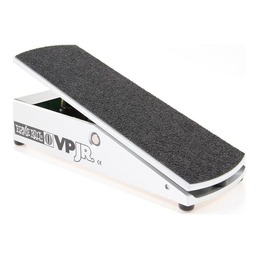
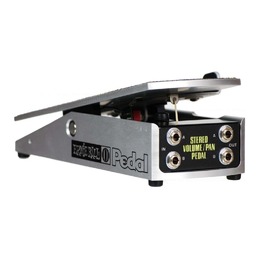
A volume pedal is a passive treadle that sets signal level underfoot, used for violin-style swells, balancing rhythm and lead parts, or muting a rig between songs.


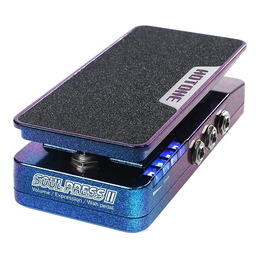
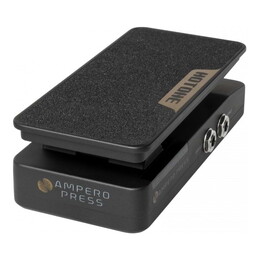
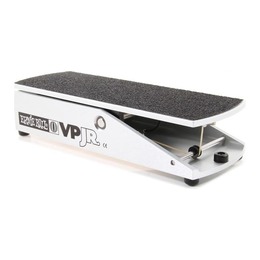

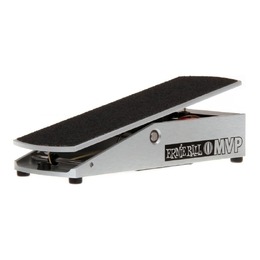
About Guitar Volume Pedals
A volume pedal may not be the flashiest pedal on your board, but few pedals add as much expressive control. A passive volume pedal gives smooth, dynamic control over your level, which transforms how effects like overdrive, delay and reverb respond. Roll the volume in for violin-style bowing swells, ride your level between rhythm and lead parts, or simply use it as a convenient mute between songs.
When choosing, check the potentiometer impedance: 250K suits guitar, while 25K versions are designed for keyboards. Note that a volume pedal is different to an expression pedal, which is designed to plug into the expression input of digital effects. Browse the full guitar pedals range, add more foot control with a wah pedal, push your level for solos with a booster pedal, or keep your rig tidy on a pedal board.
Volume Pedal FAQs
What does a volume pedal do?
A volume pedal controls your signal level with your foot, leaving both hands free to play. Use it for smooth volume swells, fading effects in and out, balancing rhythm and lead levels, or muting your rig between songs.
What is the difference between a volume pedal and an expression pedal?
A volume pedal is passive and sits directly in your signal chain to control level. An expression pedal does not carry your audio signal; it connects to the expression input on digital pedals to control parameters such as volume, wah or delay time.
Which volume pedal impedance do I need?
Match the potentiometer to your instrument: 250K volume pedals are designed for guitar, while 25K models suit keyboards. Using the wrong impedance can result in tone loss or an uneven volume sweep.