






















A reverb pedal is a stompbox that simulates the reflections of a physical space, with spring, plate, hall and chamber voicings from subtle room ambience to huge decay.
- By For Instrument
-
By Stock
- In Stock (12)
- Donner (2)
- Foxgear (1)
- JOYO (5)
- Mad Professor (1)
- MOEN (1)
- Mosky (1)
- NUX (2)
- Zoom (2)


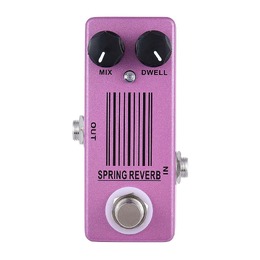
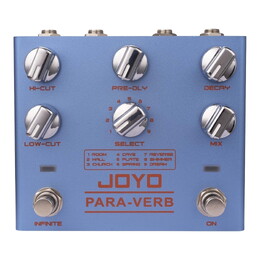
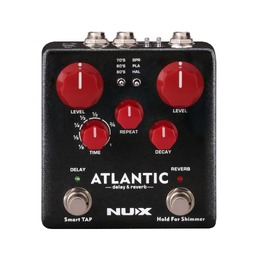

 Pre-Order
About Reverb Guitar Pedals
Reverb is the natural wash of reflections you hear when sound bounces around a physical space, and a reverb pedal recreates that sense of depth and ambience in a compact stompbox. The most common voicings are spring, plate, hall and chamber, taking your tone anywhere from subtle room ambience and vintage surf twang through to huge, atmospheric decay.
The SWAMP range covers JOYO, NUX and Donner reverb pedals, giving you studio-inspired sounds at entry-level prices. Reverb pairs beautifully with time and modulation effects, so explore our digital delay pedals and analog delay pedals for rhythmic repeats, or add movement with chorus pedals. Want several effects in one unit? A multi-effects pedal bundles reverb with dozens of other sounds. Browse the full guitar pedals range to complete your board.
Reverb Pedal FAQs
What is the difference between reverb and delay?
Delay produces distinct, rhythmic repeats of your notes, while reverb blends thousands of tiny reflections into a smooth wash of ambience. Delay adds echo you can count; reverb adds a sense of physical space. Many players run both, with delay feeding into reverb.
Where should a reverb pedal go in the signal chain?
Reverb usually goes last in the chain, after gain, modulation and delay effects, so the ambience sits over your finished tone. If your amp has an effects loop, running reverb in the loop keeps it especially clean.
Which reverb type should I choose?
Spring gives the splashy vintage character heard in surf and blues, plate is smooth and dense, and hall creates large, open decay suited to ambient playing. If you want to experiment, choose a digital reverb pedal with several voicings in one unit.