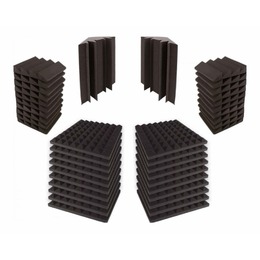



























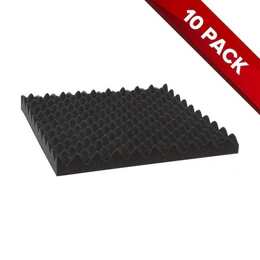
Acoustic foam panels are open-cell absorbers in pyramid, egg carton and broadband profiles that soak up mid and high frequency reflections, cutting echo and reverb in a room.


Acoustic foam panels are open-cell absorbers in pyramid, egg carton and broadband profiles that soak up mid and high frequency reflections, cutting echo and reverb in a room.
About Acoustic Foam Panels
Acoustic foam is the most affordable way to start treating a room. The open-cell structure absorbs mid and high frequency reflections, reducing the echo, reverb and flutter that muddy recordings and make mixing difficult. A few well-placed foam panels noticeably tighten up the sound of a home studio, vocal booth or rehearsal space.
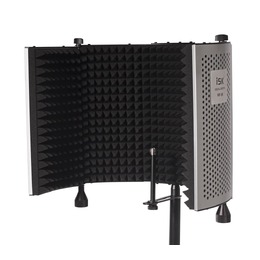
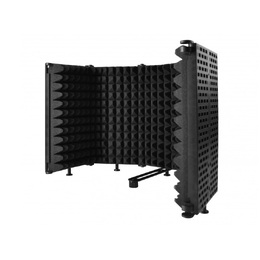
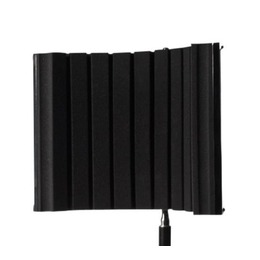
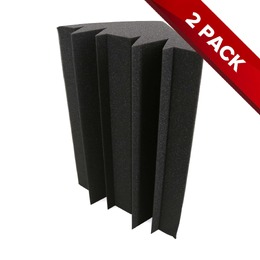
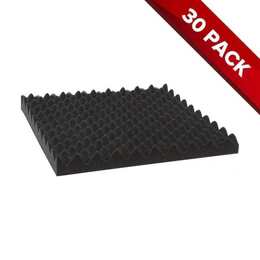
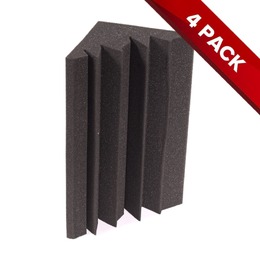
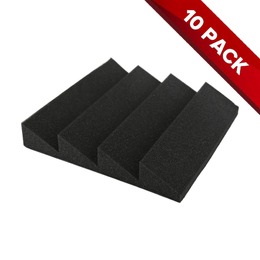
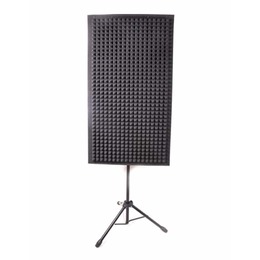
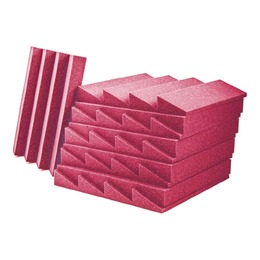
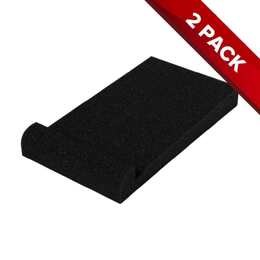
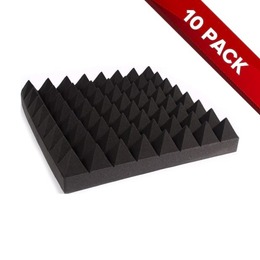
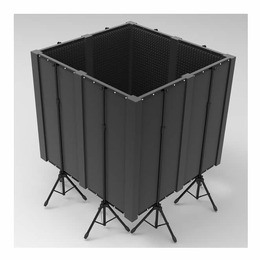
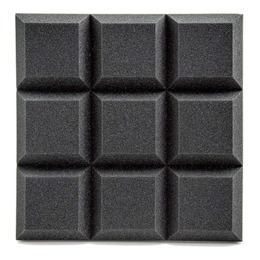
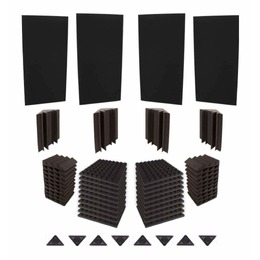
SWAMP's acoustic foam range covers pyramid and egg carton profiles along with dense broadband foam panels for stronger, more even absorption. All are lightweight and easy to fix to walls or ceilings. Foam handles the mids and highs; pair it with bass traps to control low end in corners, or step up to fibreglass acoustic panels and acoustic panels for broader frequency control. A reflection filter is a quick fix for vocal recording, and the full acoustic treatment range covers the rest.
Not really. Acoustic foam absorbs echo and reverberation inside the room, so recordings and mixes sound cleaner, but it does little to stop sound passing through walls. True soundproofing or sound insulation needs dense mass and sealed gaps; foam is a treatment for room acoustics.
Start with the first reflection points: the wall sections either side of and behind your listening or recording position, plus the ceiling above it. Treating these zones tames the strongest reflections without needing to cover every wall.
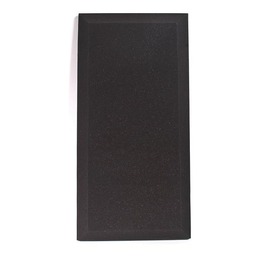
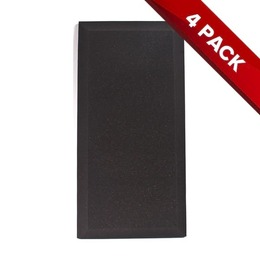
Acoustic foam mainly absorbs mid and high frequencies and is the budget-friendly option. Fibreglass acoustic panels absorb more evenly down into the low mids, so they suit critical mixing rooms. Many studios combine the two.


 Pre-Order