























A phaser pedal, or phase shifter, is a modulation effect that sweeps filter notches through the signal, giving the swirling, breathing movement heard on funk and rock records.


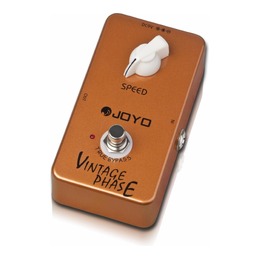
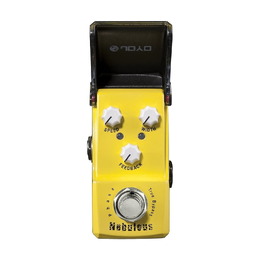
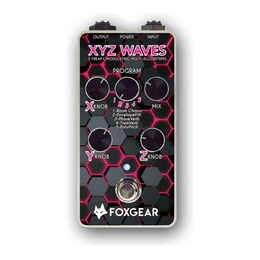
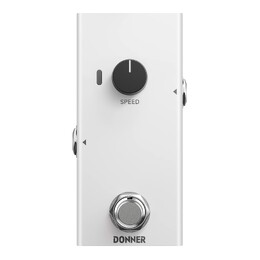
About Phaser Guitar Pedals
A phaser pedal, also called a phase shifter, splits your signal and sweeps a series of filters across one copy, creating notches that move up and down the frequency spectrum. The result is a swirling, breathing movement heard everywhere from 70s funk and classic rock through to modern psych and indie.
SWAMP stocks phaser pedals from JOYO alongside boutique options from Foxgear and Empress Effects, covering warm vintage-style sweeps through to deeply programmable modulation. Phaser lives in the same family as our chorus pedals, flanger pedals and tremolo pedals, and it stacks nicely with overdrive pedals for classic rock textures. Keep everything running quietly with a pedal power supply.
Phaser Pedal FAQs
What does a phaser pedal do?
A phaser pedal splits your guitar signal, sweeps a series of filters across one copy and blends it back, creating notches that move up and down the frequency spectrum. The result is a swirling, breathing sweep heard across 70s funk, classic rock and modern psych. Phase shifter is simply the original name for the same effect.
What is the difference between a phaser and a flanger?
A phaser sweeps filter notches across the signal for a smooth swoosh, while a flanger uses a short modulated delay for a more metallic, jet-plane sound. Flanging is generally the more intense of the two.
Where should a phaser go in my signal chain?
Most players place phaser with the other modulation effects, after drive and before delay and reverb. Running it in front of overdrive instead gives a subtler, more vintage voicing, so it is worth trying both.