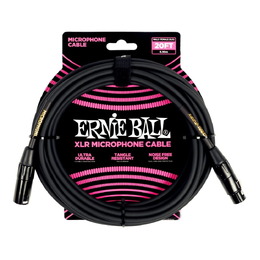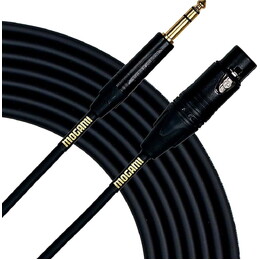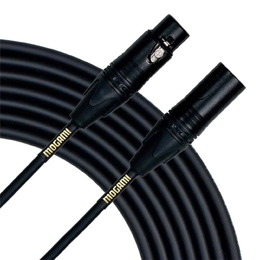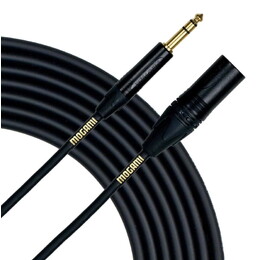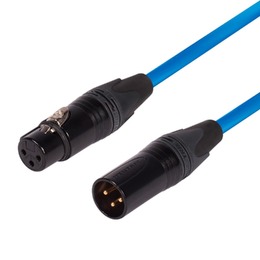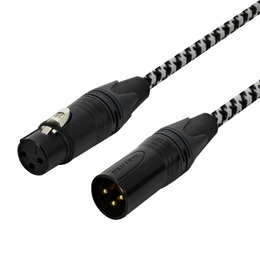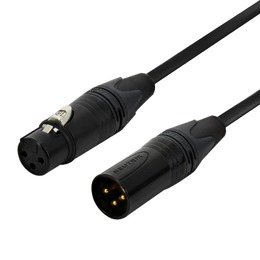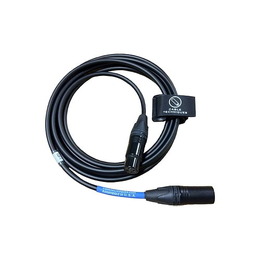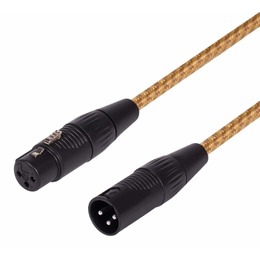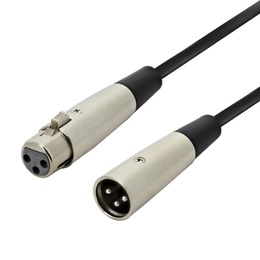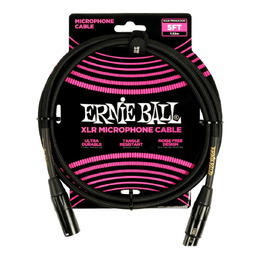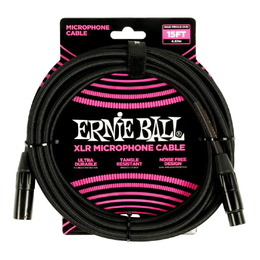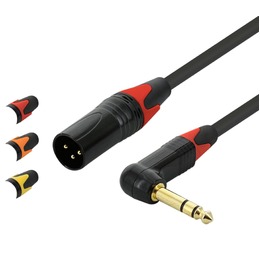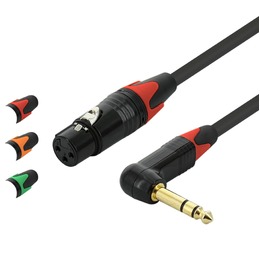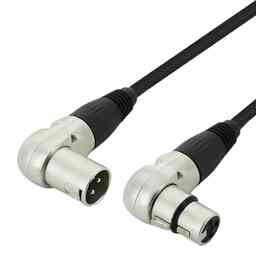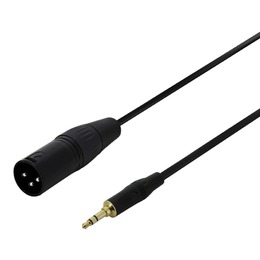
























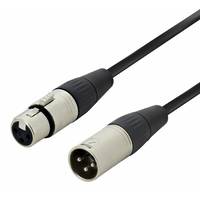
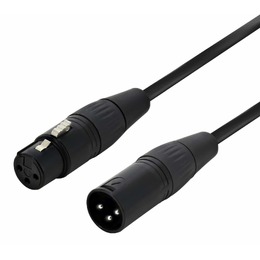
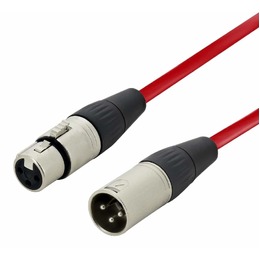
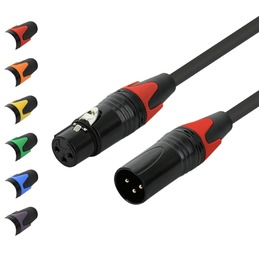
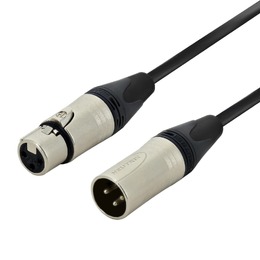
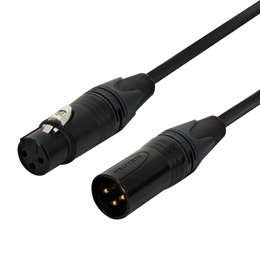
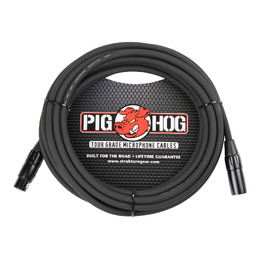
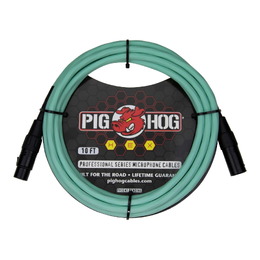
An XLR cable, or mic lead, is a balanced audio cable with three-pin locking XLR plugs that runs microphones into mixing desks, audio interfaces and powered speakers.


An XLR cable, or mic lead, is a balanced audio cable with three-pin locking XLR plugs that runs microphones into mixing desks, audio interfaces and powered speakers.
About XLR & Microphone Cables
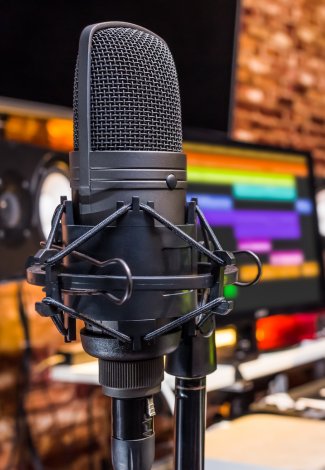
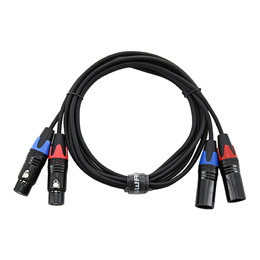
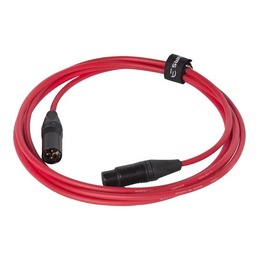
XLR cables, often simply called microphone cables or mic leads, carry a balanced audio signal between microphones, mixing desks, audio interfaces and powered speakers. The balanced design rejects interference over long runs, which is why XLR remains the standard for stage and studio audio.
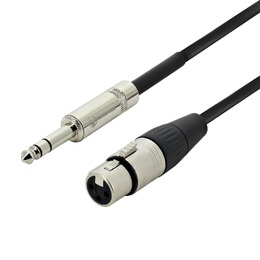
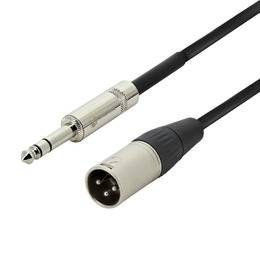
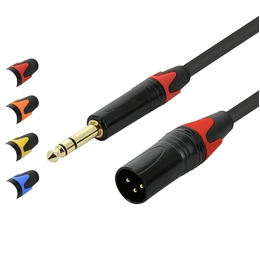
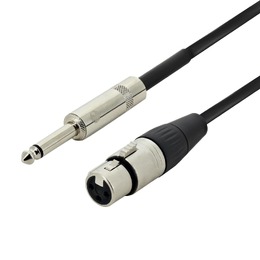
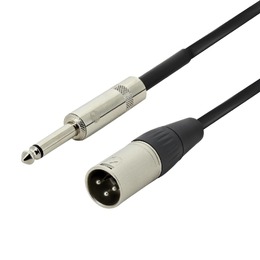
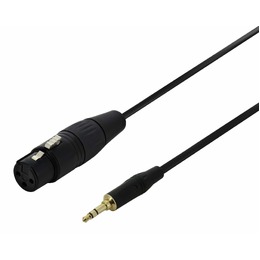
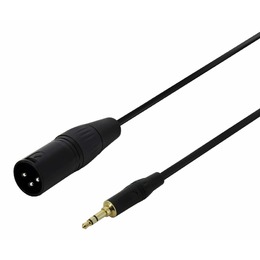
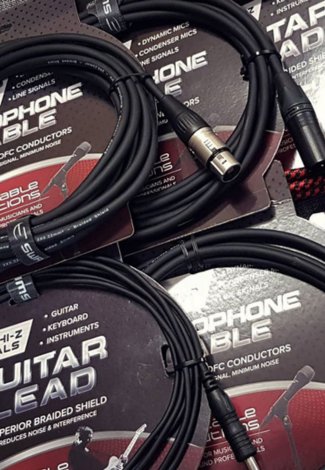
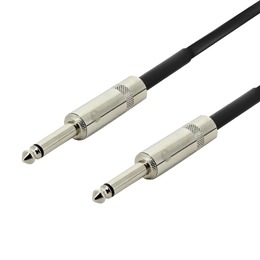
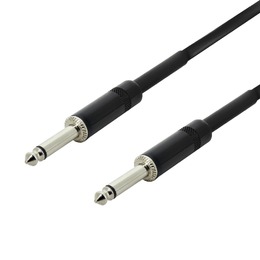
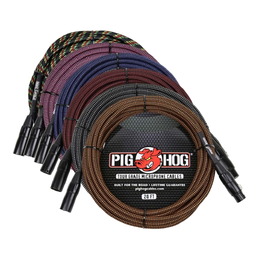
Every SWAMP mic cable is assembled by our factory technicians and tested before dispatch. Our Stage Series and Pro-Line ranges are fitted with genuine Neutrik connectors, while our Mogami and Canare cables offer studio-grade performance trusted by professionals worldwide. Lengths run from 30cm patch leads to 30m stage runs, or grab bulk cable rolls and connectors to build your own. As well as XLR to XLR leads, the range includes XLR to 1/4" (TRS) mic cables for connecting to line-level gear. Looking for TRS to TRS leads? See our TRS cables, or browse audio adapters for other connections.
Mostly, yes. A standard microphone cable is a balanced XLR-to-XLR cable. XLR cables are also used for connecting mixers, powered speakers, audio interfaces and studio monitors, not just microphones.
Use the shortest run that reaches comfortably: 3-5m suits most home studios, 10m+ for stages. Because XLR is balanced, longer runs stay clean, and quality connectors matter more than length.
Beyond solid construction and shielding, differences are small. Spend on durability (connectors and strain relief) rather than exotic materials. Mogami and Canare earn their price through reliability and low noise.


 Pre-Order