
























Condenser vs Dynamic Microphones: Which Do You Need?
Author: SWAMP Industries
Posted: 17 October 2026
Synopsis: We explain how condenser and dynamic microphones work and which type suits each job, with our best in-stock picks at every budget.
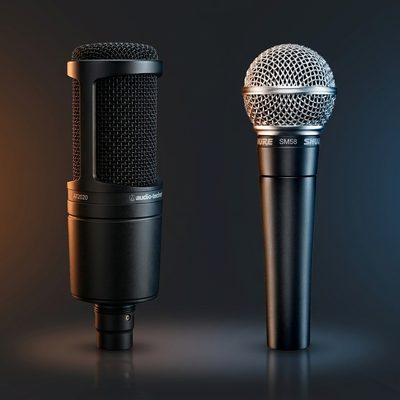
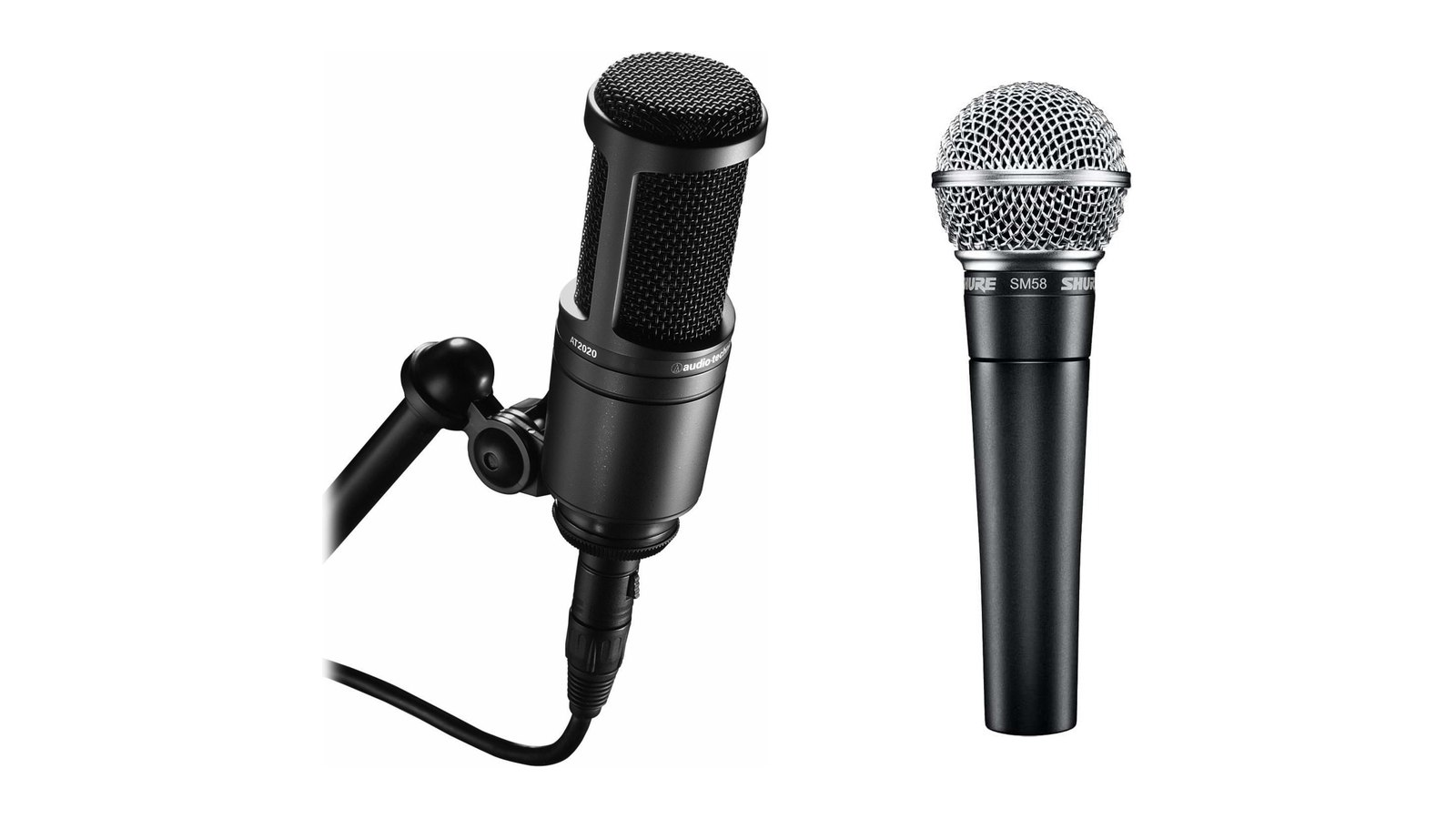
A dynamic microphone generally suits loud sources such as guitar amps, drums and stage vocals. It is less sensitive to room sound, needs no power and usually tolerates rough handling. A condenser microphone captures more top-end detail from studio vocals and acoustic instruments, but needs 48V phantom power and works best in a quiet or treated room.
Choose according to the source, its volume and the room. This comparison explains the practical differences and recommends a type for common recording and live-sound jobs, with in-stock picks from the SWAMP range at every budget. All prices are live and include any current promotion.
- Vocals in a studio→Condenser (large diaphragm, or LDC, in a treated or quiet room)
- Live stage vocals→Dynamic (rugged, feedback-resistant)
- Streaming or podcasting in an untreated room→Dynamic (or a USB mic for one-cable simplicity)
- Loud guitar amps and drums→Dynamic (handles extreme volume)
- Acoustic guitar, piano, cymbals, room detail→Condenser (hears the nuance)
How they actually differ
Every microphone does the same basic job: turn moving air into an electrical signal. The two families do it with different machinery, and almost every practical difference between them flows from that one design choice.
Dynamic: a tiny speaker in reverse
A dynamic mic hangs a coil of wire from a diaphragm and suspends it in a magnetic field. Sound moves the diaphragm, the coil moves through the field, and that generates the signal - the exact same principle as a loudspeaker, run backwards. The coil adds mass, so the capsule responds less to quiet detail and distant sound, but it is nearly impossible to overload and there is almost nothing to break. It needs no power. Browse the range: Dynamic Microphones at SWAMP.
Condenser: a charged plate that feels the air
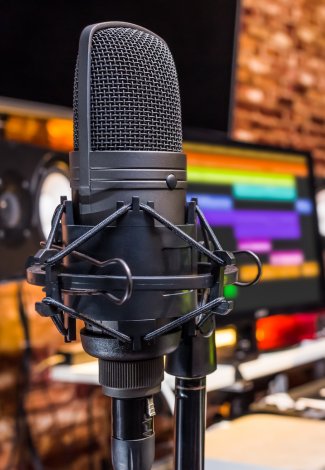
A condenser mic stretches an ultra-thin, electrically charged diaphragm in front of a fixed metal backplate, forming a capacitor. Sound vibrates the diaphragm, the gap changes, and the varying charge becomes the signal. With almost no moving mass, it reacts to the tiniest air movement - which is why condensers capture detail and high frequencies so well, and also why they pick up the fridge two rooms away. The internal electronics need 48V phantom power from your interface or mixer. Browse the range: Condenser Microphones at SWAMP.
Condenser vs dynamic: the comparison table
| Spec | Dynamic | Condenser |
|---|---|---|
| Sensitivity / detail | Lower - solid and punchy, less top-end air | High - captures fine detail and high frequencies |
| Phantom power | Not required | Required (48V from interface, mixer or supply) |
| Durability | Excellent - survives drops, moisture, road life | Good, but the delicate capsule prefers careful handling |
| Handling noise | Low - built to be held and moved | Higher - best on a stand with a shockmount |
| Background-noise pickup | Low - hears mostly what is right in front of it | High - hears the room, good and bad |
| Max volume handling | Extreme - guitar amps, snare drums, brass, no problem | High on paper, but loud transients can overload some models |
| Typical price | Under $40 to around $700 for broadcast flagships | Under $90 to well into studio-money territory |
| Best environments | Stages, rehearsal rooms, untreated home setups | Treated or quiet rooms, studios, controlled spaces |
Generalisations hold for most models in each family; there are exceptions at the specialist end of both.
Which type do you need for your use case?
Studio vocals: condenser
For recorded vocals in a quiet or treated space, a large diaphragm condenser captures breathiness, consonant detail and top-end air. The Audio-Technica AT2020 ($129.99) is the classic first studio condenser, and the SWAMP SC200 ($89.99) gets you into the same territory for under $90. Starting from zero? The iSK BM-600 vocal pack ($189.99) bundles the mic with a shockmount and pop filter - see all Microphone Packages. Browse the full Condenser Microphones range.
Live stage vocals: dynamic
On stage you need a vocal mic that shrugs off drops, rejects the drum kit behind it, resists feedback from the foldback wedge and handles a sweaty grip all night. The Shure SM58 ($184.99) has been the world's default stage vocal mic for over 50 years, and the SWAMP SD100 ($39.99) covers rehearsal rooms and karaoke rigs for under $40. Browse all Dynamic Microphones.
Streaming and podcasting: dynamic (or USB)
Most streamers and podcasters record in ordinary rooms - keyboard clatter, PC fans, traffic outside. A dynamic mic close to your mouth ignores most of that, which is why broadcast dynamics like the Shure SM7B ($809) dominate streaming setups, with the Alctron BC900+ ($159.99) delivering the same idea on a budget, with both XLR and USB outputs. Want to skip the audio interface entirely? A USB mic like the multi-pattern SWAMP SU800 ($93.49) is one cable into the computer and you are live - see the full USB Microphones range.
Guitar amps and instruments: dynamic first, condenser for detail
A cranked amp or snare drum can overload a sensitive condenser, while a dynamic instrument mic handles the level. The Shure SM57 ($184.99) is the most recorded instrument mic in history for this job. For quiet, detailed sources such as acoustic guitar, strings and piano, a pencil condenser like the iSK CM-20 ($59.99) is a cheap way to hear the difference.
Drums: dynamics up close, condensers overhead
Drum kits use both types as a team: dynamics on the loud close-up jobs (kick, snare, toms) and condensers overhead to capture cymbals and the kit as a whole. The Alctron T8400 7-piece drum mic set ($229.99) covers the close mics in one box, and the Shure Beta 52A ($384.99) is the step-up kick drum standard. Pair with a couple of CM-20s overhead and you have a full kit covered.
Our picks: condensers and dynamics at every budget
| Pick | Type | Best for | Price |
|---|---|---|---|
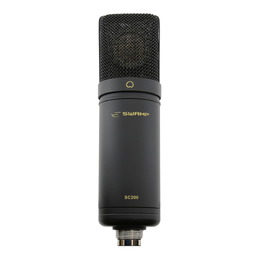 SWAMP SC200 SWAMP SC200 | Condenser (LDC) | First studio condenser on a tight budget | $89.99 |
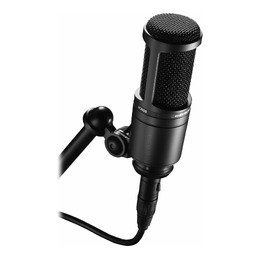 Audio-Technica AT2020 Audio-Technica AT2020 | Condenser (LDC) | The benchmark starter studio vocal mic | $129.99 |
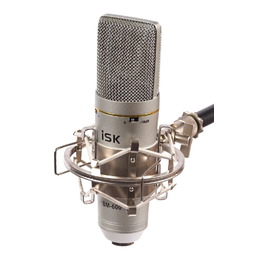 iSK BM-600 iSK BM-600 | Condenser (LDC, multi-function) | Home studio vocals with accessories available as a pack | $169.99 |
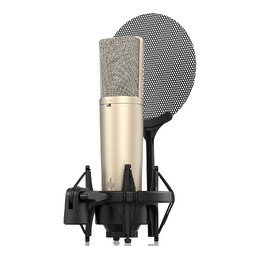 Donner DC-87 Donner DC-87 | Condenser (LDC) | Step-up studio condenser for vocals and acoustic sources | $137.99 |
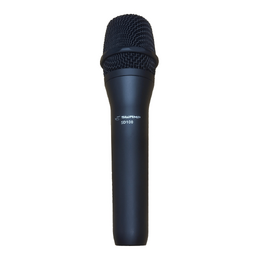 SWAMP SD100 SWAMP SD100 | Dynamic (vocal) | Cheapest reliable stage / rehearsal vocal mic | $39.99 |
 Shure SM58 Shure SM58 | Dynamic (vocal) | The live vocal standard, worldwide | $184.99 |
 Shure SM57 Shure SM57 | Dynamic (instrument) | Guitar amps, snare and brass | $184.99 |
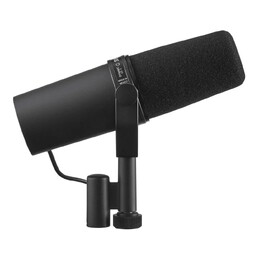 Shure SM7B Shure SM7B | Dynamic (broadcast) | Streaming, podcasting and radio-grade vocals | $809 |
Prices are live and include any current promotion. Stock levels change - each link shows current availability.
Want to compare the whole range?
Every microphone we stock, filterable by type and brand: Microphones at SWAMP - or jump straight to Condenser Microphones, Dynamic Microphones or USB Microphones.
Condenser vs dynamic FAQ
Do condenser microphones need phantom power?
Yes - almost every XLR condenser needs 48V phantom power to charge its capsule and run its internal electronics. Nearly all audio interfaces and mixers have a 48V button, so it is rarely an extra purchase; standalone supplies exist for gear without it. USB condensers are the exception: they power themselves from the USB connection.
Can you use a condenser microphone live on stage?
Yes, and plenty of touring vocalists do - handheld condensers built for stage use exist for exactly this. But condensers pick up more of the stage around them, which raises feedback risk and bleed from other instruments, so they suit controlled stages with good monitoring. For pub gigs, rehearsal rooms and anywhere the PA is fighting the band, a dynamic like the SM58 is the safer call.
Which is better for streaming and podcasting?
In an untreated room, a dynamic rejects keyboard noise, fans and echo, which is why the SM7B became the streaming default. In a quiet space, a condenser gives a more detailed, open sound for less money. If you do not own an audio interface, a USB mic from the USB Microphones range is the simplest path.
Do dynamic microphones need an audio interface or preamp?
An XLR dynamic needs something with a mic preamp to plug into - an audio interface or mixer - but no phantom power. One catch: broadcast dynamics like the SM7B output a quiet signal and want a preamp with plenty of clean gain. Most modern interfaces manage, and the Shure SM7dB ($748.99) sidesteps the issue entirely with a preamp built into the mic.
Can you record studio vocals with a dynamic microphone?
Absolutely - some of the most famous vocal recordings ever made used dynamics, and the SM7B built its reputation in the studio before streaming existed. A dynamic is often the smarter studio choice in an untreated home room, because it keeps the room's echo out of the take. What you trade away is some top-end air and detail that a condenser in a good-sounding space would capture.
Should my first microphone be a condenser or a dynamic?
Buy for the room and the job, not the spec sheet. Quiet space and mostly recorded vocals or acoustic instruments: start with a condenser like the AT2020. Noisy room, live use or loud sources: start with a dynamic like the SM58. Many home studios end up with one of each - together they cover almost everything.
Find the right mic for the job
Condensers, dynamics, USB mics and full recording packages - Shure, Audio-Technica, Alctron, iSK, SWAMP and more, with live stock and fast dispatch from our Canberra warehouse.
Shop all microphones Ask the team