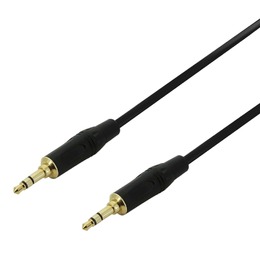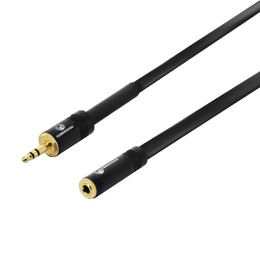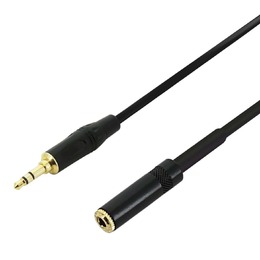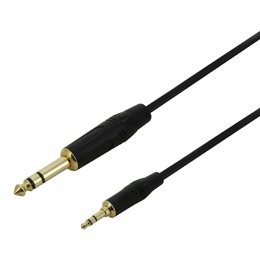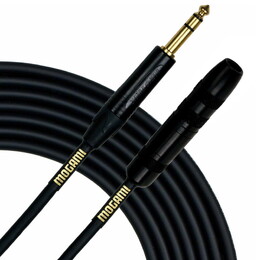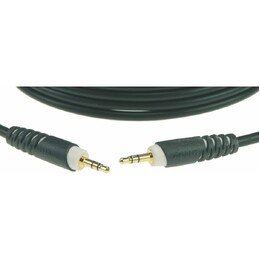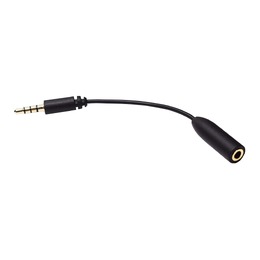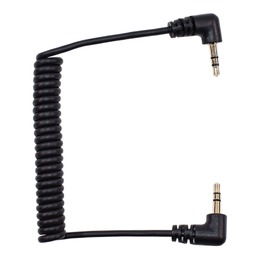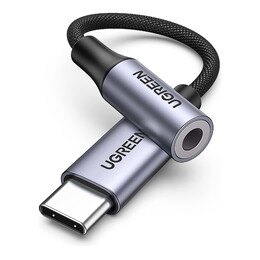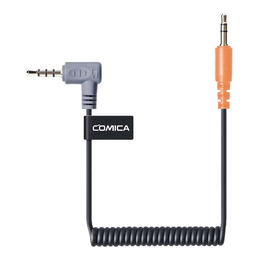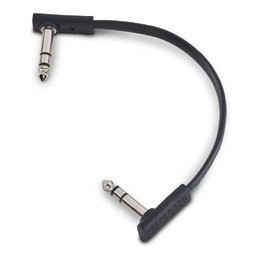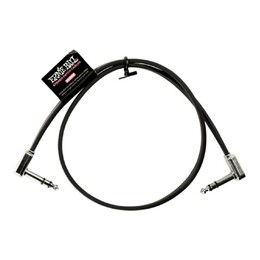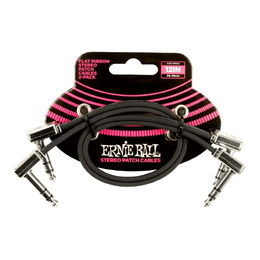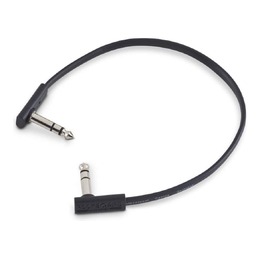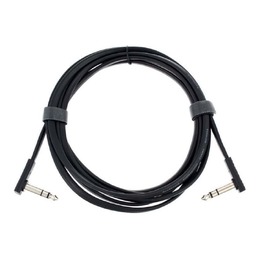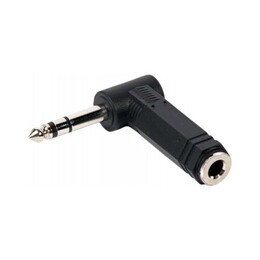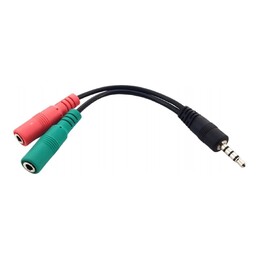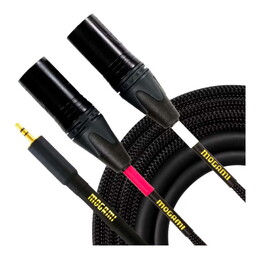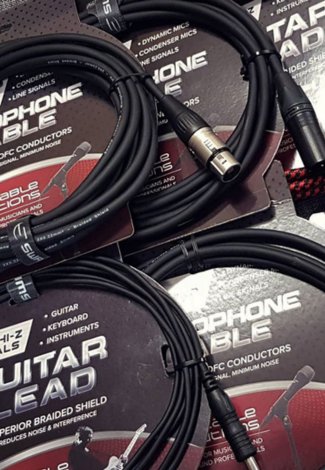





























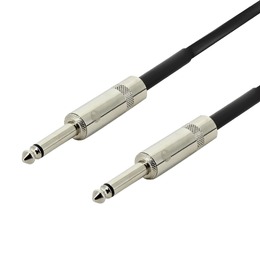
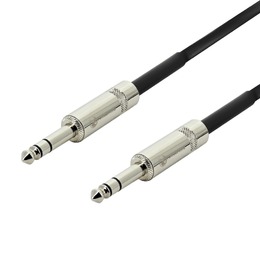
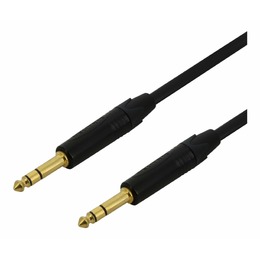
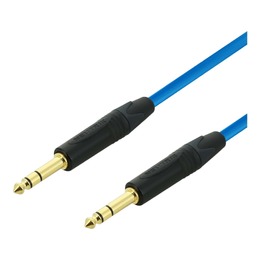
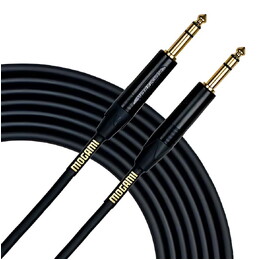
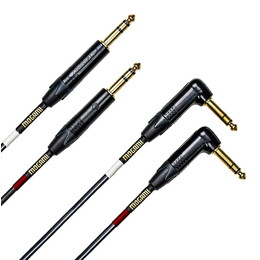
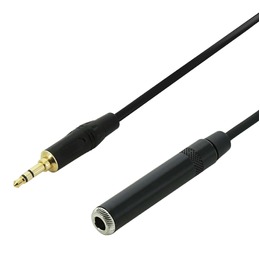
A TRS cable, also called a stereo cable, has tip, ring and sleeve contacts that carry either a balanced mono line signal or a stereo signal, in 1/4" and 3.5mm sizes.


A TRS cable, also called a stereo cable, has tip, ring and sleeve contacts that carry either a balanced mono line signal or a stereo signal, in 1/4" and 3.5mm sizes.
About TRS Cables
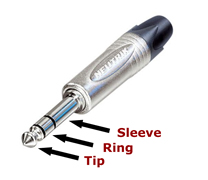
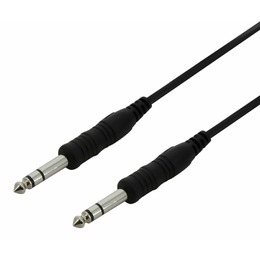
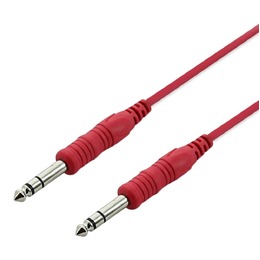
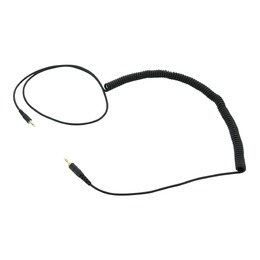
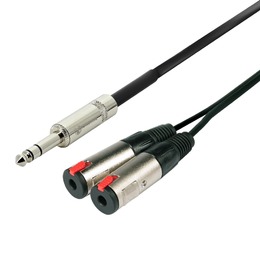
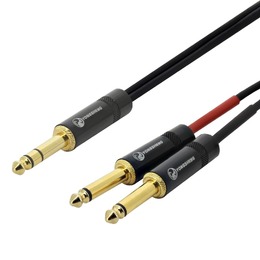
TRS stands for Tip, Ring, Sleeve: the two insulation rings on the connector let a single cable carry two signal cores plus a ground. That design means a TRS to TRS cable can run a balanced mono signal between line-level gear, or a stereo signal from a headphone output, which is why TRS cables are also called stereo cables. The connectors come in two sizes, 1/4" (6.35mm) and 3.5mm, with the same wiring in both.
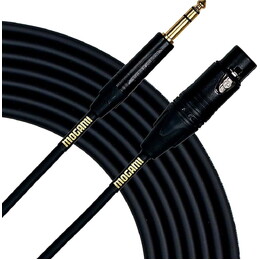
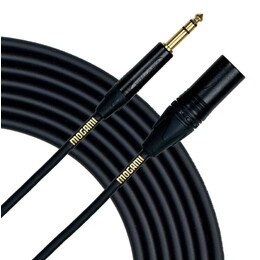
TRS cables are the standard choice for patching mixers, audio interfaces, studio monitors and rack processors where balanced line-level connections are needed. Need to connect TRS gear to XLR inputs? XLR to TRS leads live in our XLR and microphone cables range. For multi-channel TRS looms that patch whole racks in one run, see our snake cables, or convert between connector types with audio adapters. Building your own leads? Grab bulk cable by the roll or metre.
Yes. A TRS cable carries two signals plus ground, so the same lead works as a balanced mono cable between line-level gear or as a stereo cable from a headphone or aux output. The name simply reflects how it is being used.
A TS (Tip, Sleeve) connector carries one signal plus ground and is unbalanced, like a standard guitar lead. TRS adds a second conductor, letting the cable carry a balanced signal that rejects interference, or a stereo signal.
Often, yes. Both carry balanced audio, and many mixers and audio interfaces provide both socket types. Where your gear uses XLR connections, choose an XLR or XLR to TRS lead from our microphone cable range instead.
 Pre-Order