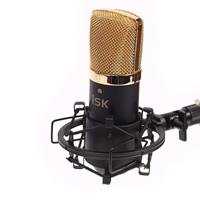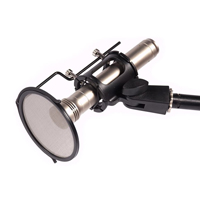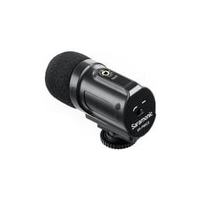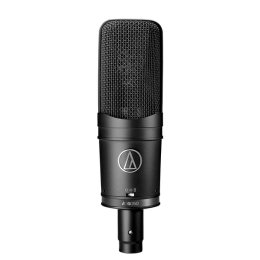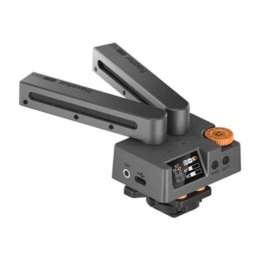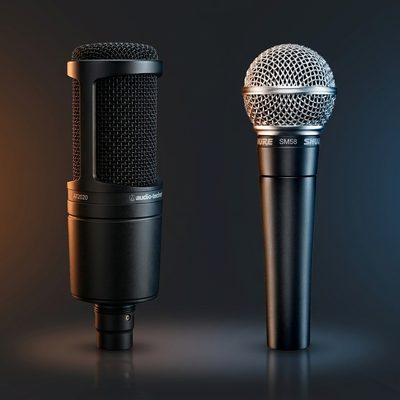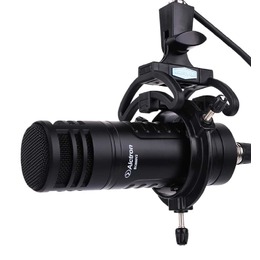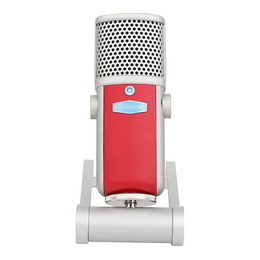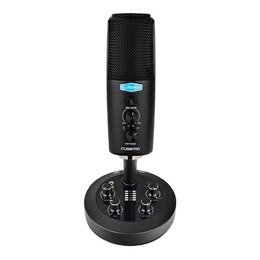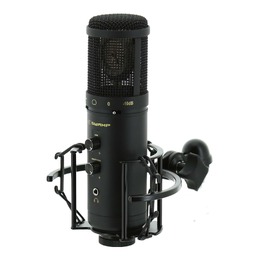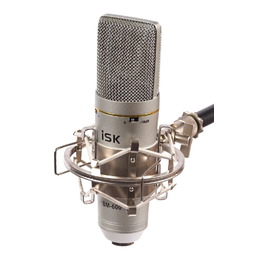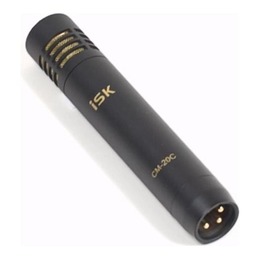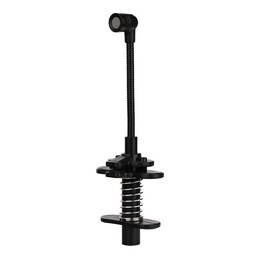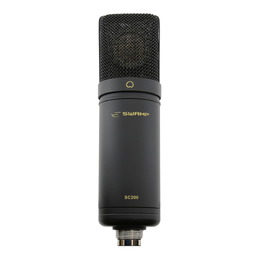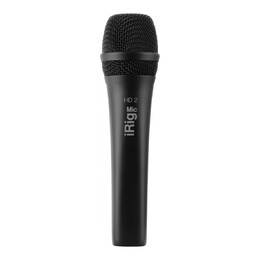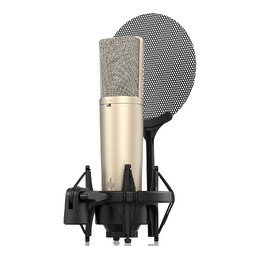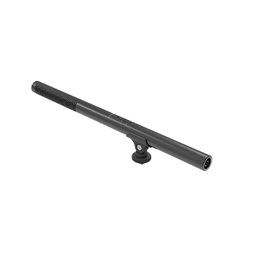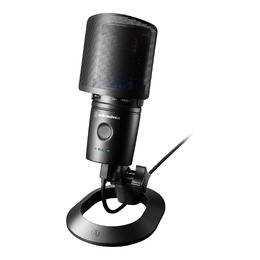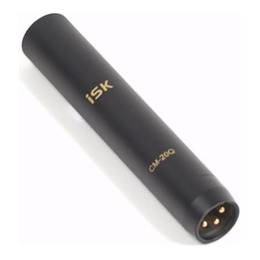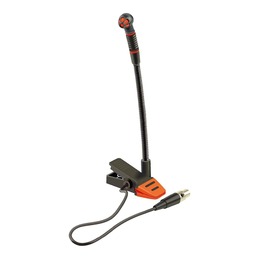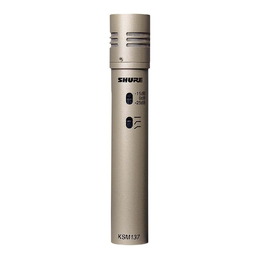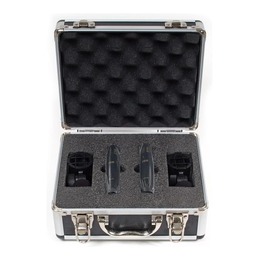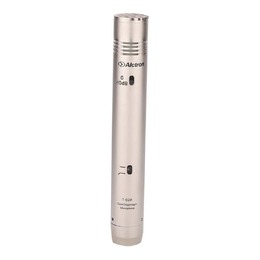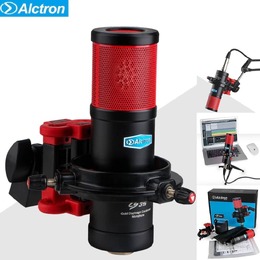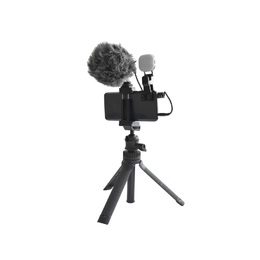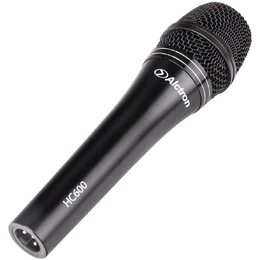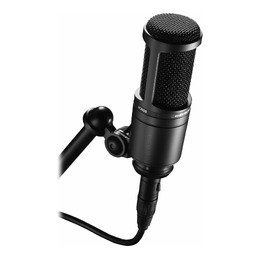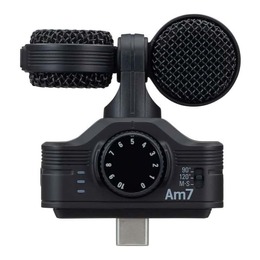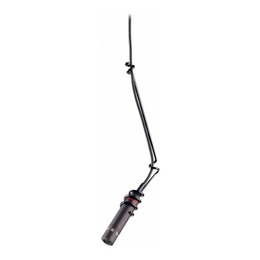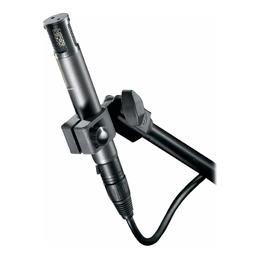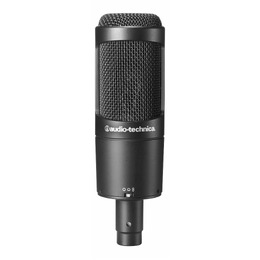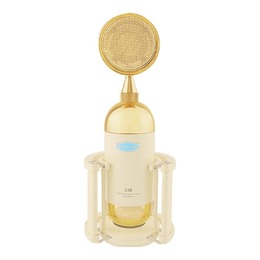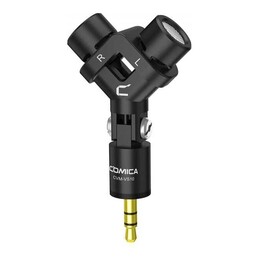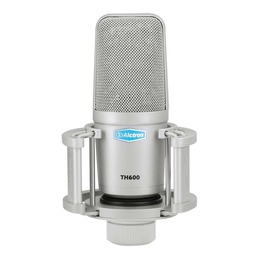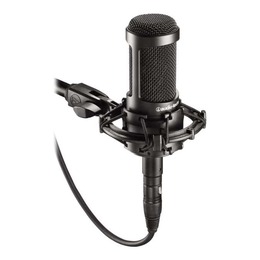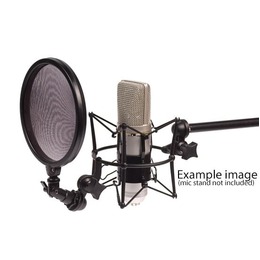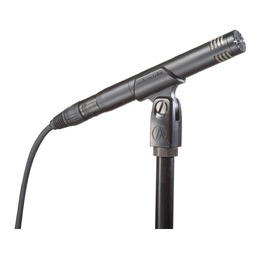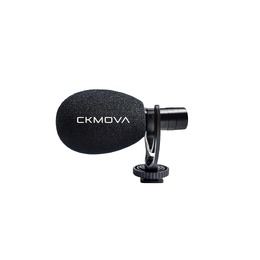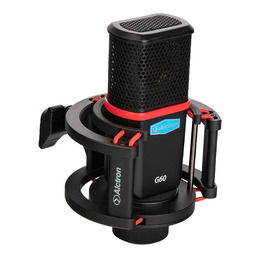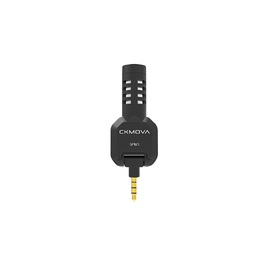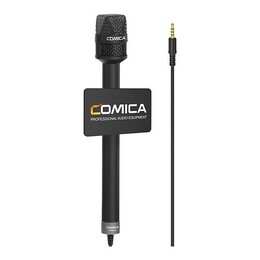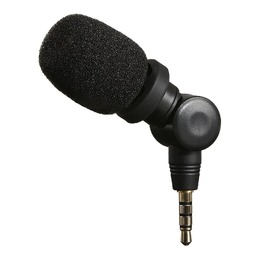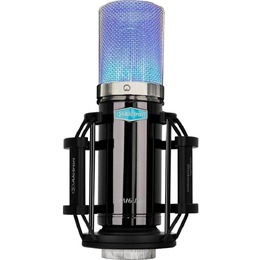
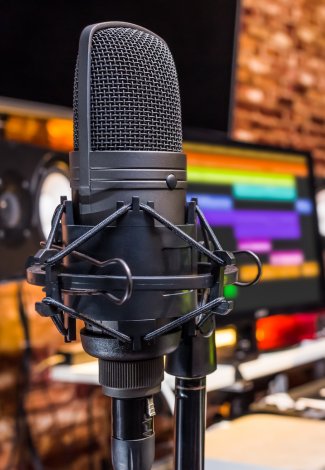


























A condenser microphone is a sensitive studio mic built around a charged diaphragm, used in large diaphragm form on vocals and pencil form on acoustic instruments and overheads.

-
![Help]()
-
![Cart]() (0)
(0)
-
![Account]()
- Cables
- Microphones
- Guitar
- View All Guitar
- Accessories
- Acoustic Guitars
- Amps
- Bass Amps
- Bass Guitars
- Cases
- Electric Guitars
- DIY Guitar Kits
- Left Hand Guitars
- Pedals
- View All Pedals
- Patch Cables
- Power Supply
- Pedal Boards
- AB-Y Pedals
- Acoustic Pedals
- Amp Simulator
- Analog Delay
- Bass Pedals
- Booster Pedals
- Chorus
- Compressors
- Digital Delay
- Distortion
- Equaliser
- Flanger
- Footswitches
- Fuzz
- Heavy Metal
- Loopers
- Multi-Effects
- Noise Gate
- Overdrive
- Phasers
- Reverb
- Signal Routing
- Tremolo
- Tuner Pedals
- Volume
- Wah
- Pedal Accessories
- Other Pedals
- Strings
- View All Strings
- Banjo
- Bass
- Cello
- Electric
- View All Electric
- 8-38 Gauge Electric Strings 8-38 Gauge Electric Strings
- 9-42 Gauge Electric Strings 9-42 Gauge Electric Strings
- 9-46 Gauge Electric Strings 9-46 Gauge Electric Strings
- 10-46 Gauge Electric Strings 10-46 Gauge Electric Strings
- 10-52 Gauge Electric Strings 10-52 Gauge Electric Strings
- 11-54 Gauge Electric Strings 11-54 Gauge Electric Strings
- Mandolin
- Nylon
- Steel
- Ukulele
- Violin
- Ukuleles
- Wireless Guitar Systems
- Guitar Lessons
- Smart Guitars
- Instruments
- Studio Gear
- View All Studio Gear
- Acoustic Treatment
- Audio Interfaces
- AV Field Recording
- Bluetooth
- Headphones
- MIDI Controllers
- Podcasting
- Rack Gear
- Recording Packages
- Signal Processors
- DAW Software
- Studio Furniture
- Studio Microphones
- Studio Monitors
- Synthesizers
- Live Sound
- Featured
- Staff Picks
- Bestsellers
- New Products
- Back In Stock
- Brands
- On Sale