


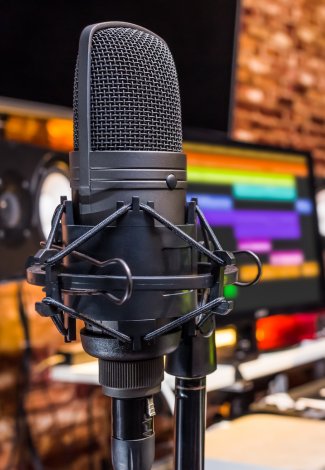






















A USB microphone converts sound to digital inside the mic body and plugs straight into a computer, so podcasting and streaming need no audio interface or phantom power.

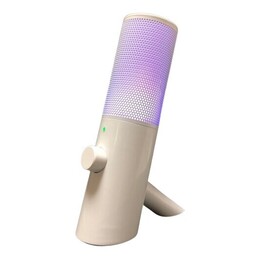
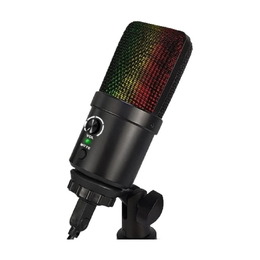
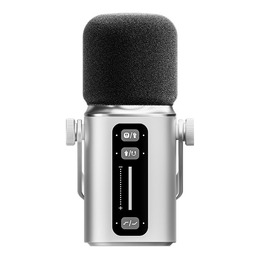
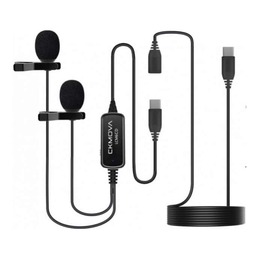
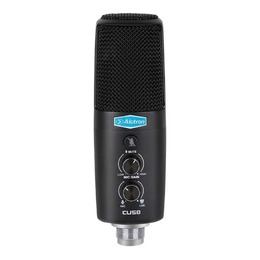
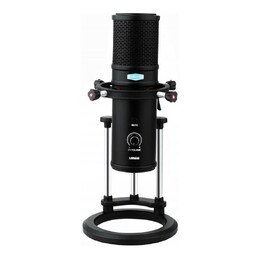
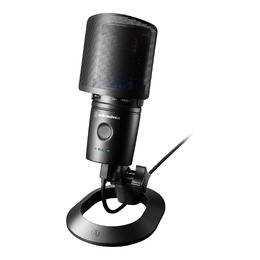
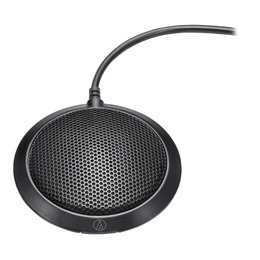
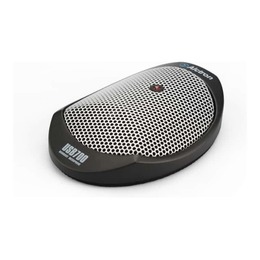
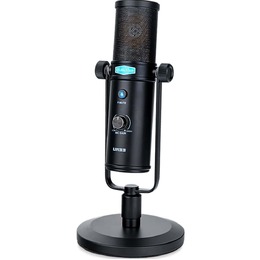
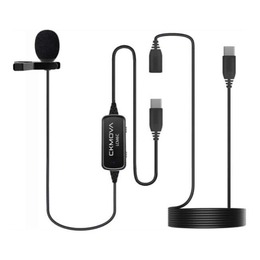
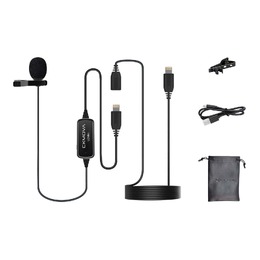
About USB Microphones
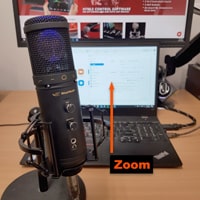
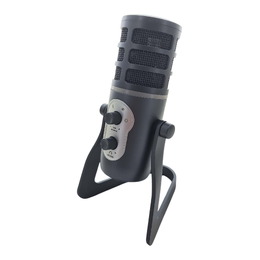
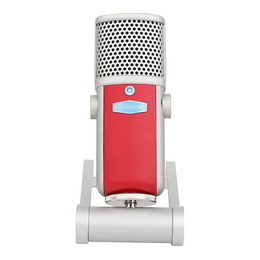
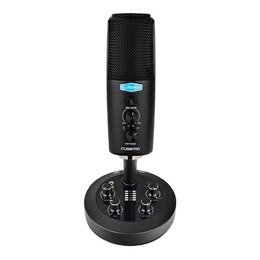
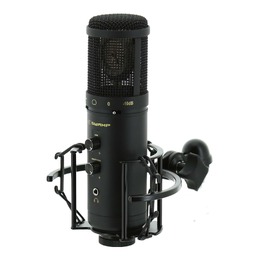
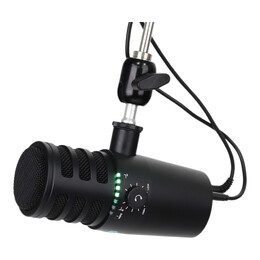
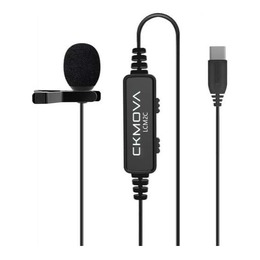
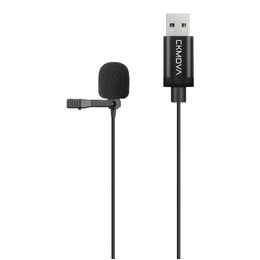
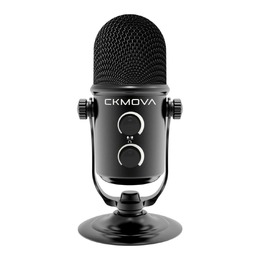
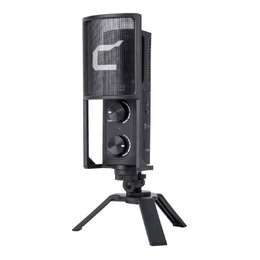
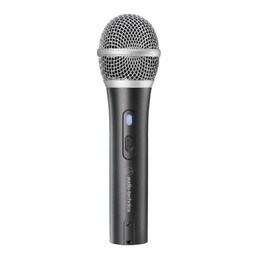
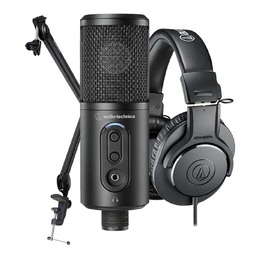
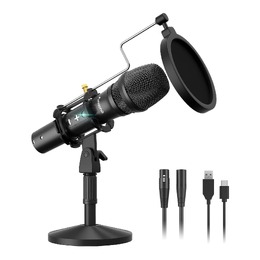
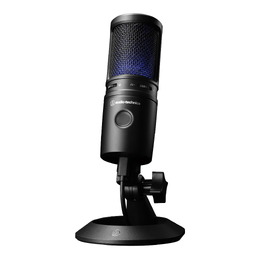
A USB microphone is the simplest way to record audio straight into a computer. The analogue-to-digital conversion happens inside the microphone body, so there is no need for an audio interface, mixer or phantom power: plug into a USB port, select the mic in your software and record. Most models are plug and play with Windows and macOS, connecting over USB-A or USB-C to suit your computer. Because that built-in conversion sets the recording quality, compare the bit depth (16-bit or 24-bit) and sample rate when choosing between models.
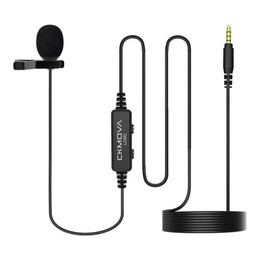
Most USB mics use condenser capsules that deliver clear, detailed speech, which makes them ideal for podcasting, streaming, voice-over and video calls. If you plan to record several people at once or want an upgrade path, an audio interface paired with XLR condenser microphones gives more flexibility. Recording video on a phone or camera instead? A lapel microphone is the discreet option. Complete your desk setup with a pop filter and a microphone stand.
USB Microphone FAQs
Are USB microphones good enough for podcasting?
Yes. A quality 24-bit USB microphone records broadcast-ready speech, and for a solo podcaster or streamer it is the simplest setup there is. Recording multiple guests in one room is where an audio interface with XLR microphones becomes the better tool.
What is the difference between a USB and an XLR microphone?
A USB microphone converts the signal to digital inside the mic and connects straight to a computer. An XLR microphone outputs an analogue signal and needs an audio interface or mixer. USB wins on simplicity, XLR wins on flexibility and upgrade options.
Do USB microphones need phantom power or drivers?
No. USB microphones draw power from the USB port itself, even models with condenser capsules, and most are class-compliant, so Windows and macOS recognise them without installing drivers.