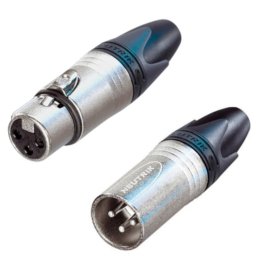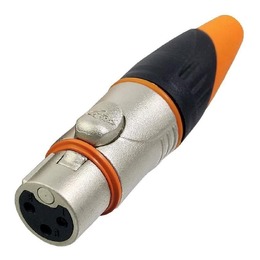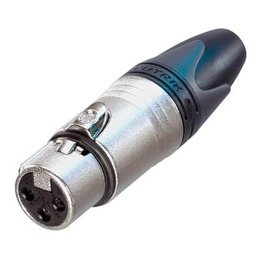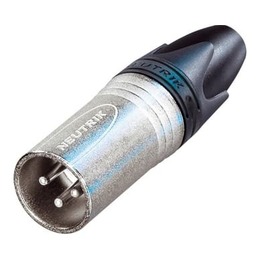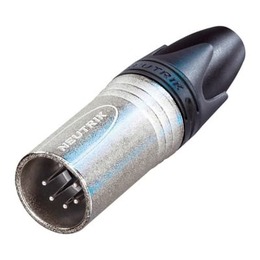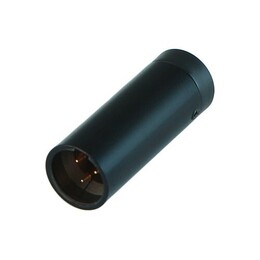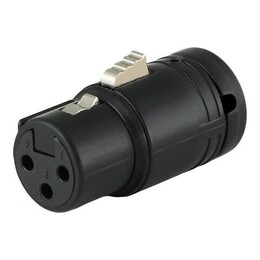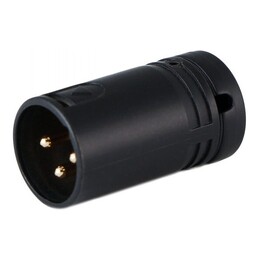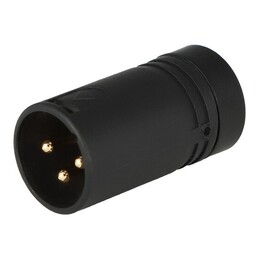














XLR connectors, sometimes called cannon plugs, are the 3 pin locking plugs and sockets that terminate balanced microphone and line level audio cables in stage and studio rigs.


XLR connectors, sometimes called cannon plugs, are the 3 pin locking plugs and sockets that terminate balanced microphone and line level audio cables in stage and studio rigs.
About XLR Connectors
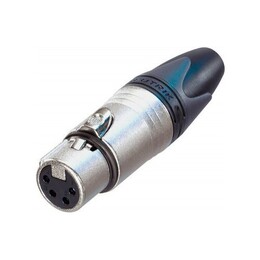
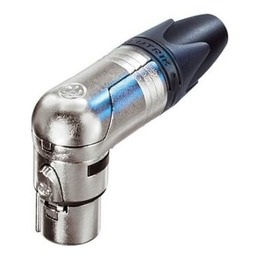
The XLR connector, sometimes called a cannon plug, is the standard connector for balanced audio. The standard 3 pin XLR connector carries two signals and a ground along one cable (pins 2 and 3 carry the hot and cold signals, pin 1 the ground), and the locking latch keeps connections secure on stage. XLR plugs terminate microphone cables and appear across pro audio equipment wherever balanced mic or line level signals travel.
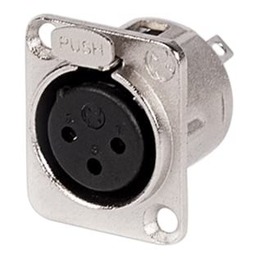
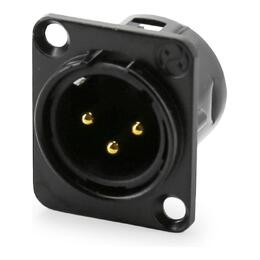
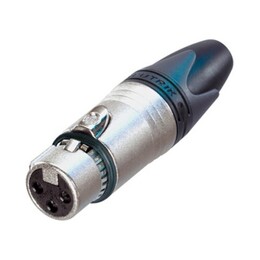
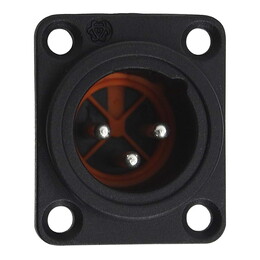
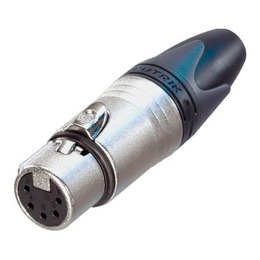
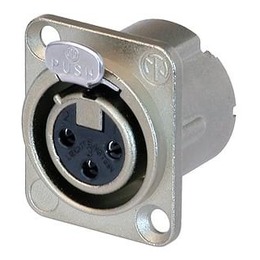
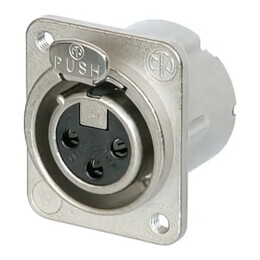
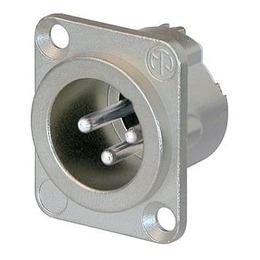
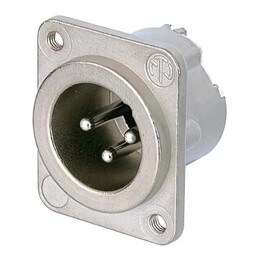
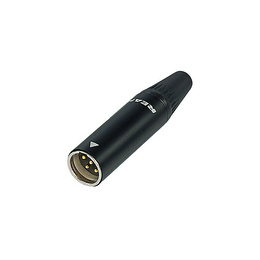
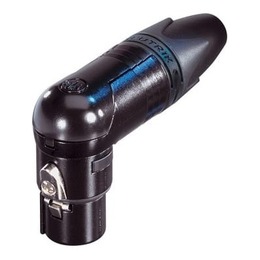
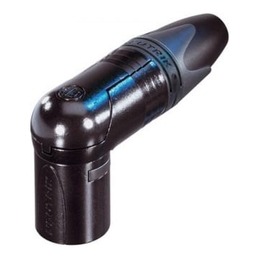
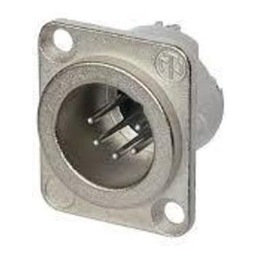
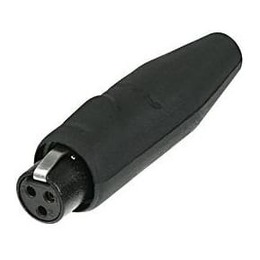
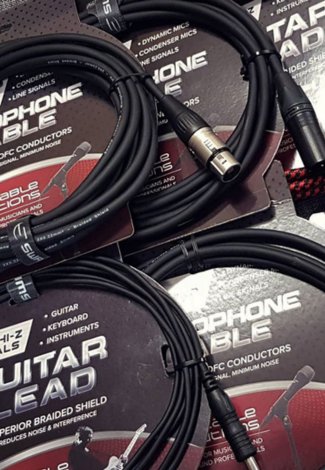
Our range is built around genuine Neutrik XLR connectors: the Liechtenstein-made originals for studio and demanding applications, plus the cost-effective REAN and Yongsheng (Ningbo Neutrik) lines from the same family. Male and female solder-type plugs are joined by panel mount XLR connectors for wall plates, stage boxes and speaker builds, and a waterproof IP67-rated XLR for outdoor use. Pair them with bulk cable to build leads to length, or grab ready-made XLR microphone cables, including SWAMP leads hand-soldered and tested before dispatch.
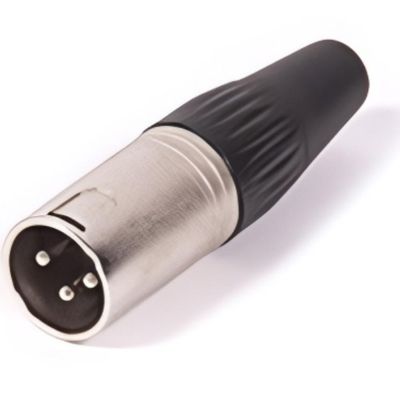
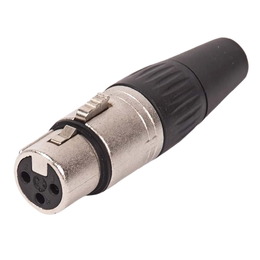
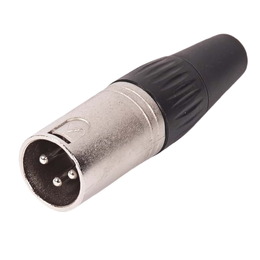
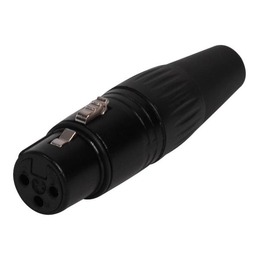
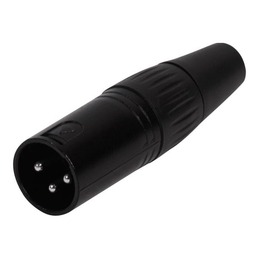
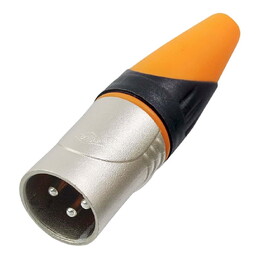
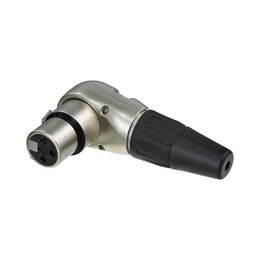
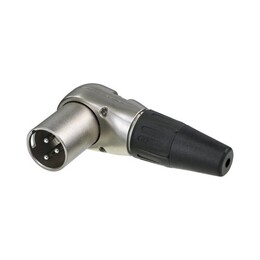
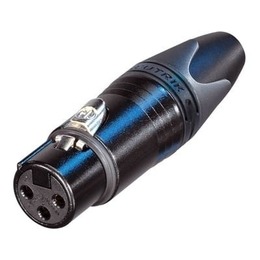
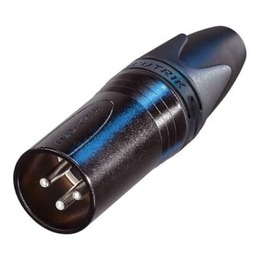
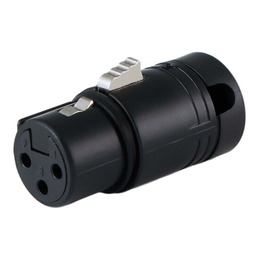
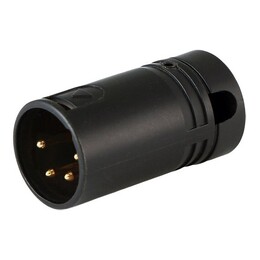
Male XLR connectors have pins and plug into inputs such as mixer channels; female connectors have sockets and attach to outputs such as a microphone. A standard mic cable runs female at the microphone end to male at the mixer end.
Most XLR plugs, including standard Neutrik types, use solder contacts. A clean solder joint gives the most reliable long-term connection and only needs a basic iron. Screw-terminal (solderless) XLR connectors are also made for tool-free assembly and quick field repairs.
Neutrik is the industry standard for a reason: rugged shells, dependable strain relief and consistent contacts. The Liechtenstein-made range suits studio and touring work, while REAN and Yongsheng, both part of the Neutrik family, do the same job at a lower price.