












Audio Production Course: Live Sound and Recording Fundamentals
Author: SWAMP Industries
Posted: 6 September 2026
Synopsis: Seven free lessons taking you from which cable goes where to running sound for a gig or recording at home. Self-paced, no signup.
7-part course
Seven Free Lessons, Start to Finish
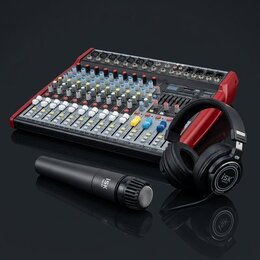
This is a free, self-paced audio production course from the SWAMP team: seven short lessons that take you from "which cable goes where" to confidently running sound for a gig or recording at home. No signup, no videos to sit through - just clear written lessons you can work through in order or dip into when a problem comes up.
Whether you call it audio production, sound engineering or audio engineering, the craft rests on the same foundations: understanding how signals move, connecting gear correctly, shaping sound with EQ and effects, and diagnosing problems fast. That is exactly what this course covers, with real-world examples drawn from the stage and the studio.
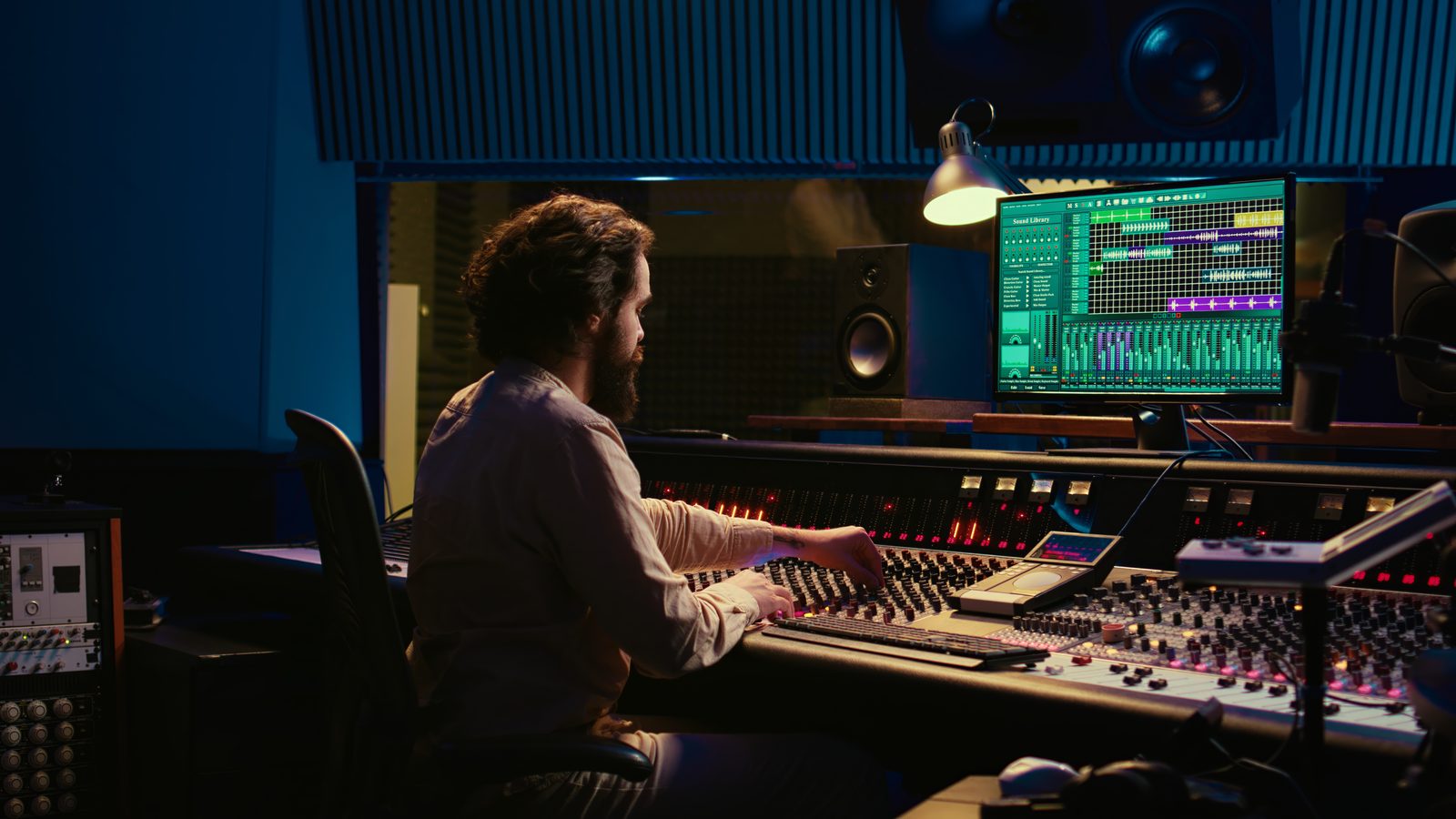
What you will learn
- How audio signals flow from instrument or microphone through to the speakers, and why gain staging matters at every step.
- Which cables and connectors do what, and how to hook up any instrument without noise or damage.
- How audio interfaces and digital recording work, and how to set up a home studio.
- How to use EQ, compression and reverb, on a real desk or in a DAW.
- How to plan, run and troubleshoot live sound for venues of any size.
The lessons
- Understanding Signal Flow in Audio Systems - how audio moves from source through preamps, mixer and amplifier to the speakers, and the signal types (Hi-Z, mic level, line level) you need to know.
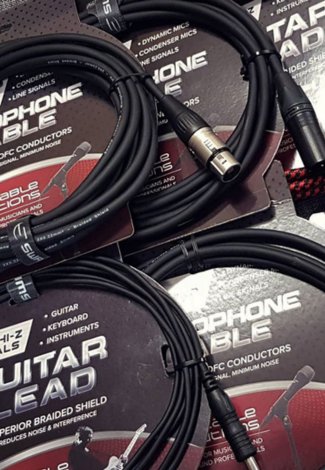
- Basic Audio Connections and Setups - XLR, 1/4 inch, RCA and Speakon connectors, balanced vs unbalanced signals, and using DI boxes to get any instrument to the desk cleanly.
- Introduction to Audio Interfaces and Digital Recording - what an interface actually does, the specs that matter, and building a home recording setup around one.
- Basics of Mixing and Effects Processing - EQ, compression and reverb explained, plus virtual mixers, plugins and DAW workflow.
- Live Sound Engineering Essentials - choosing a PA for the venue, monitors and feedback control, mixer placement, stageboxes and sound coverage.
- Troubleshooting Audio Issues - the five faults you will actually meet (hum, feedback, distortion, silence and noise), how to fix each one, and the maintenance habits that prevent them.
- Advanced Topics in Audio Production - MIDI and DAW controllers, creating depth and space in a mix, and DSP speaker management.
Who this course is for
The course assumes no prior audio knowledge, just an interest in making things sound good. It is written for:
- Musicians running their own sound - you have a gig, a PA and no sound tech.
- Home recording starters - you want to record songs, voiceovers or a podcast that sounds professional.
- The band member handed the mixer - someone has to drive the desk, and it is you.
- Aspiring sound engineers - you are weighing up formal audio engineering study and want the fundamentals first.
- DAW users going live - you produce in the box and want to translate that knowledge to a stage.
Quick questions
Is it really free?
Yes. The course is part of the SWAMP content library. There is nothing to buy to follow along, though each lesson points to the relevant gear categories when you want to get hands-on.
Do I need equipment to follow the course?
No. The lessons are written to make sense on their own. That said, they land better if you can experiment with whatever you have: a mixer, an audio interface, even a single microphone.
Do I have to do the lessons in order?
The course is sequenced so each lesson builds on the last, and lesson 1 (signal flow) underpins everything. But every lesson stands alone, so if feedback is ruining your Friday night gig, jump straight to lesson 6.
Putting your skills into practice
You can put these lessons to use by mixing your band's pub gigs, recording a demo or EP at home, or cleaning up a podcast that never quite sounded right. Plenty of working live engineers and producers started by managing their own setups. If audio becomes a career path, institutions like SAE offer formal audio engineering qualifications; this course gives you the practical grounding to know if that path is for you.
When you are ready to build or upgrade a rig, everything covered in the course is stocked at SWAMP, from the full Live Sound range to Recording gear, Microphones and Cables.
Start the course
Begin with lesson 1 and work through at your own pace. Each lesson takes about ten minutes to read.
Signal Flow
Author: SWAMP Industries Date Posted: 6 September 2026
Trace the audio path from source to speaker: signal types, gain staging, and what happens inside the mixing desk. Lesson 1 of the SWAMP audio production course.
Audio Connections
Author: SWAMP Industries Date Posted: 6 September 2026
The main cable types and connectors, balanced vs unbalanced, and connecting instruments to a PA cleanly. Lesson 2 of the SWAMP audio production course.
Audio Interfaces
Author: SWAMP Industries Date Posted: 6 September 2026
What an interface does, which specs matter, and building a home studio around one. Lesson 3 of the SWAMP audio production course.
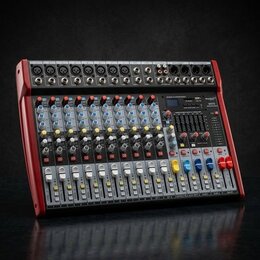
Mixing and Effects
Author: SWAMP Industries Date Posted: 6 September 2026
The three tools that do most of the work in any mix, on hardware or in a DAW. Lesson 4 of the SWAMP audio production course.
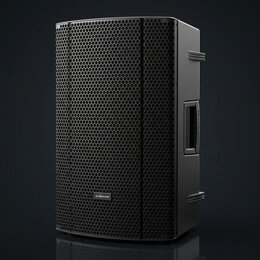
Live Sound
Author: SWAMP Industries Date Posted: 6 September 2026
Applying the course on stage: PA selection, monitoring, feedback control, mixer placement and signal routing. Lesson 5 of the SWAMP audio production course.
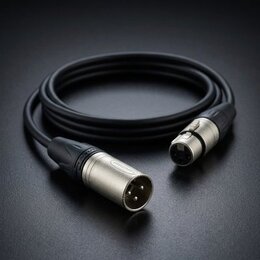
Troubleshooting
Author: SWAMP Industries Date Posted: 6 September 2026
The five faults every system develops and how to fix them fast, plus gear maintenance basics. Lesson 6 of the SWAMP audio production course.

Advanced Topics
Author: SWAMP Industries Date Posted: 6 September 2026
MIDI controllers, spatial effects and DSP speaker management: where to go after the fundamentals. The final lesson of the SWAMP audio production course.