











Advanced Topics in Audio Production
Author: SWAMP Industries
Posted: 6 September 2026
Synopsis: MIDI controllers, spatial effects and DSP speaker management: where to go after the fundamentals. The final lesson of the SWAMP audio production course.
Lesson 7 of 7
Back to course overviewLessons in this course
MIDI, Spatial Effects and Speaker Processing
This final lesson looks past the fundamentals at three areas that open up modern production: MIDI and DAW controllers for building music inside the computer, spatial effects (reverb, delay and panning) for creating depth in a mix, and the digital signal processors (DSPs) that quietly manage every professional PA system.
Introduction to MIDI and DAW Controllers
MIDI (Musical Instrument Digital Interface) revolutionised music production by enabling devices like keyboards, drum pads, and synthesisers to communicate with computers and other hardware.
MIDI Basics
MIDI transmits performance data (e.g., note velocity, pitch) rather than audio signals. This allows producers to manipulate music with great flexibility. For instance, a single MIDI keyboard can trigger multiple virtual instruments in a DAW.
Types of MIDI Controllers
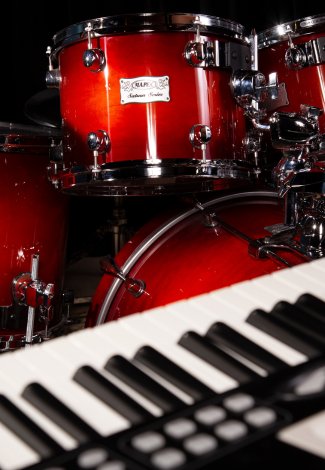
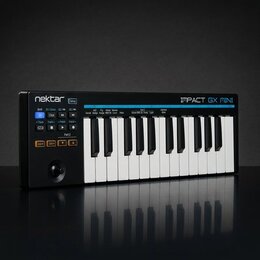
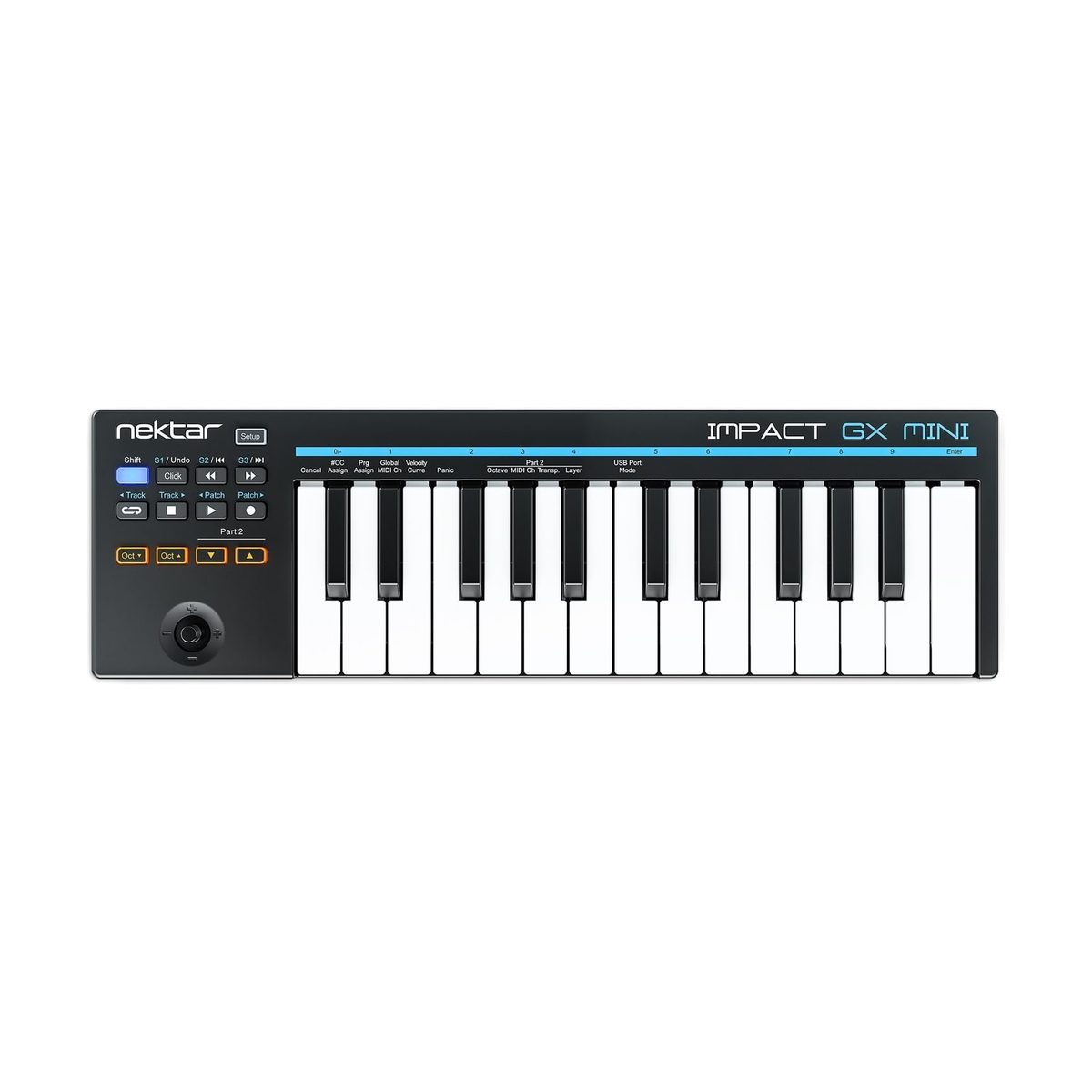
Keyboards: Often used for melody and harmony creation. Many feature velocity-sensitive keys for dynamic expression.
Drum Pads: Ideal for programming beats, these controllers are favoured by electronic music producers.
Control Surfaces: Allow hands-on manipulation of DAW functions, emulating physical mixer consoles.
All three types live in the SWAMP MIDI Controllers range.
Integration with DAWs
DAW controllers simplify mixing and editing by offering tactile controls for parameters like volume, pan, and effects. This integration enhances workflow efficiency and creative expression inside any DAW software package.
Creating Depth and Space in Your Mix
These techniques build directly on the reverb basics from lesson 4, taking them from "adding an effect" to deliberately placing every sound in a three-dimensional space.
Using Reverb
Reverb emulates natural reflections, adding depth to recordings. Reverbs often replicate specific environments, such as:
- Hall Reverb: Creates expansive, rich sounds for orchestral or vocal tracks.
- Room Reverb: Simulates the acoustics of smaller spaces for intimate recordings.
When used subtly, reverb can add cohesion to a mix. However, overuse can muddy the audio, so apply sparingly for clarity.
Applying Delay
Delay repeats audio signals at specified intervals, creating echoes. Common delay techniques include:
- Slapback Delay: Adds a quick echo, often used in rockabilly and country music.
- Ping-Pong Delay: Alternates echoes between left and right channels, enhancing stereo imaging.
Panning for Width
Panning distributes sounds across the stereo field, helping instruments occupy distinct spaces. For example, guitars can be panned left and right, leaving vocals centred for a balanced mix. Combining panning with reverb and delay creates a dynamic, spacious audio environment.
Digital Signal Processors (DSPs) for Speaker Management
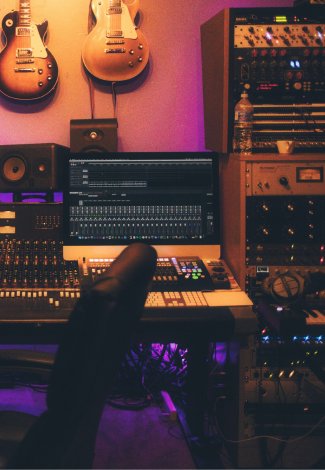
Digital Signal Processors (DSPs) are specialised devices for managing speaker systems, ensuring optimal performance and protection. These units are typically rack-mounted in 19-inch cases and positioned in the mixing area; you will find them alongside other outboard gear in the SWAMP Signal Processors range. Unlike mixers, DSPs are generally not modified during a live show. For large touring events, the finer details of DSP processing are often handled by the venue or PA rental company, as these settings depend on the venue's acoustics and the specific PA system. This allows the touring mix engineer to focus on creating the best possible mix for the band without needing to recalibrate the DSP for each venue. While small adjustments may be made to adapt to specific musical styles, most DSP settings remain consistent from event to event.
Where DSPs Fit
A DSP is typically placed between the mixer's output and the amplifier/speaker input, processing line-level signals. This position allows the DSP to act as the final step in signal preparation before amplification, ensuring the sound is optimised for both the speakers and the venue. The role of a DSP at this stage is akin to the mastering phase in a recording production setup, where EQ and compression are applied to refine the overall sound. This ensures a balanced, polished mix that translates well across different playback systems. (Many powered speakers now build simple DSP presets straight into the cabinet.)
Basic Functions
- EQ and Compression: DSPs allow for precise EQ adjustments to tailor the FOH mix to the unique acoustic characteristics of the venue. Compression helps maintain a consistent signal dynamic, preventing drastic volume fluctuations.
- Limiter: Limiters within DSPs protect amplifiers and speakers from damage caused by signal overloads. This is especially crucial during high-energy performances where sudden loud peaks may occur.
Advanced DSP Functions
- Crossover Processing: Splits a single signal into multiple frequency bands, directing them to appropriate speakers.
- Delay Alignment: Ensures sound from delay stacks or outfill speakers aligns with the main PA system for consistent timing in large venues (the delay-speaker technique covered in lesson 5).
Summary
Mastering advanced audio production techniques helps improve your sound quality in both live and studio environments. Whether you are integrating MIDI and DAW controllers, creating depth through spatial effects, or optimising speaker systems with DSPs, each step contributes to a professional and immersive audio experience. As you grow in your expertise, these tools and methods will become indispensable for achieving polished, impactful productions.
You have finished the course
- Previous lesson: Troubleshooting Audio Issues
- Course overview: Audio Production Course - revisit any lesson
That wraps up the SWAMP audio production course. If MIDI production is your next step, start with a controller from the MIDI Controllers range; if live sound is calling, the outboard gear in Signal Processors is where system control begins.
Back to the Course Overview Shop MIDI Controllers Shop Signal Processors