


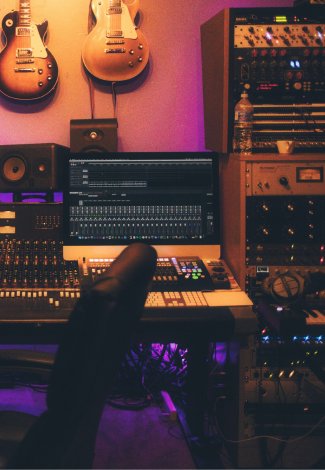
























An EQ pedal, short for equaliser pedal, shapes a guitar tone by boosting or cutting chosen frequency bands, to brighten a muddy sound, tame harsh highs or push the mids forward.


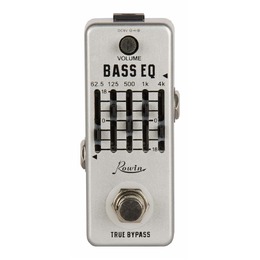
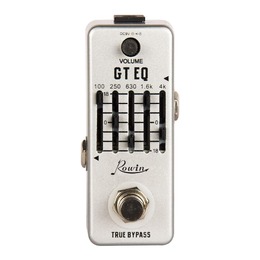
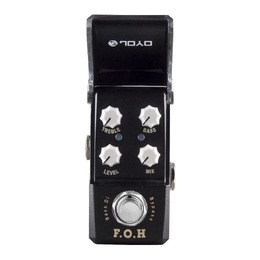
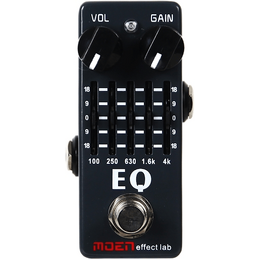
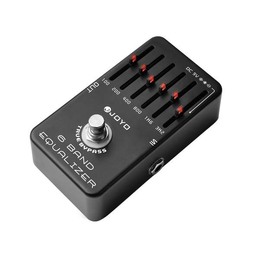
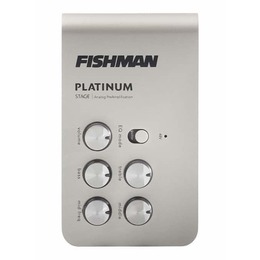
About EQ & Equaliser Guitar Pedals
EQ pedals, short for equaliser pedals, give guitarists far more tonal control than the basic tone knobs on a guitar or amp. They work by boosting or cutting specific frequencies or groups of frequencies (bands), letting you brighten a muddy tone, tame harsh highs or push the mids forward so your solos cut through the mix.
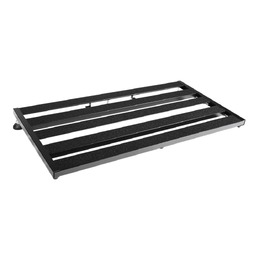
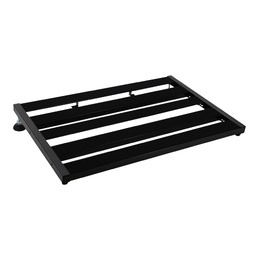
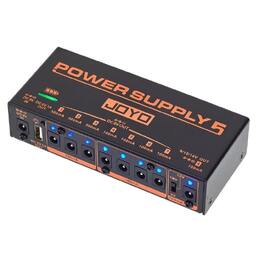
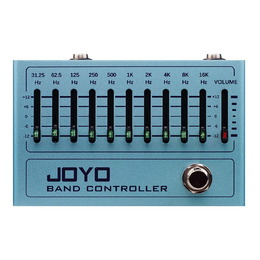
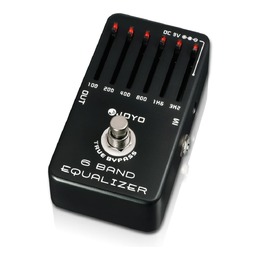
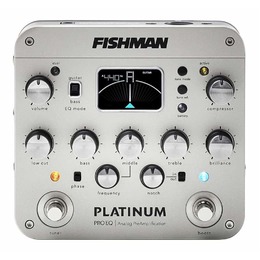
The most common type for guitarists is the graphic equaliser, with sliders assigned to fixed frequency bands (6 band and 10 band layouts are common), while simpler fixed-band and more advanced parametric designs offer other ways to shape your sound. An EQ pedal also doubles as a handy clean boost or a fix for problem frequencies anywhere in your rig. Browse the full guitar pedals range, keep your rig tidy with a pedal board and pedal power supply, or pair your EQ with a noise gate pedal. For rackmount and studio units, see our audio equalisers.
EQ Pedal FAQs
What does an EQ pedal do?
An EQ pedal adjusts the balance of frequencies in your guitar signal by boosting or cutting individual bands. Use it to shape your core tone, fix problem frequencies from a guitar or venue, or lift the mids so lead lines stand out.
Is an EQ pedal the same as an equaliser pedal?
Yes. EQ is simply shorthand for equaliser, spelt equalizer in the US. Graphic, parametric and fixed-band pedals are all types of equaliser, differing only in how you adjust each frequency band.
Where should an EQ pedal go in my signal chain?
It depends on the job. Early in the chain (before drive pedals) it shapes what your distortion reacts to, while late in the chain it sculpts your overall sound. Many players run one in an amp's effects loop for maximum control.