


























A distortion pedal compresses a guitar signal into a thick, saturated wall of gain, the aggressive clipping behind hard rock and metal, and holds that character at any volume.
- By For Instrument
-
By Stock
- In Stock (25)
- Overdrive Pedals (2)
- JOYO Overdrive Pedals (2)
- Donner (1)
- Foxgear (4)
- JOYO (16)
- MOEN (1)
- NUX (3)
- Red Witch (1)
- Rowin (1)
- Zoom (1)



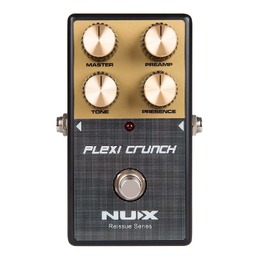
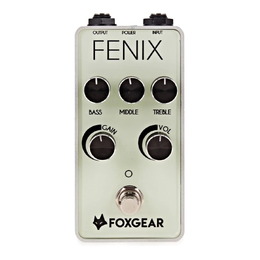
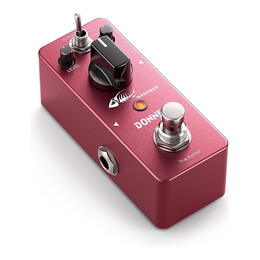
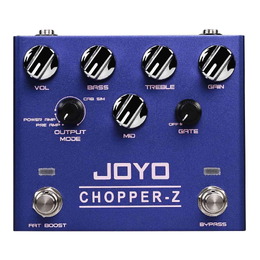
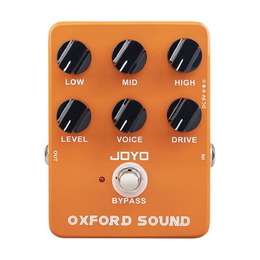
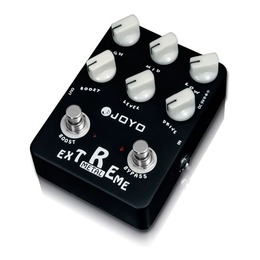
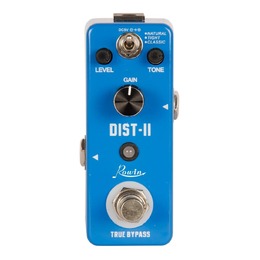

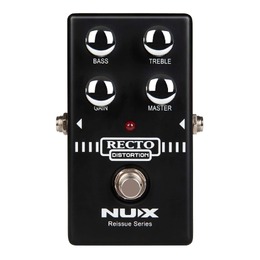
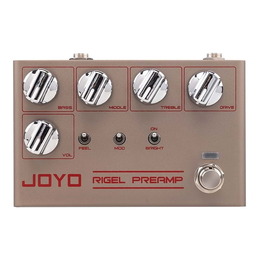
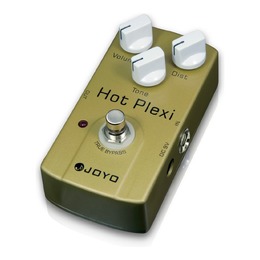
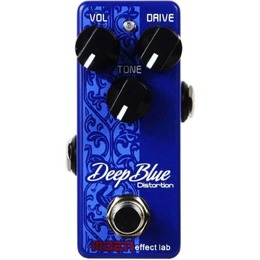
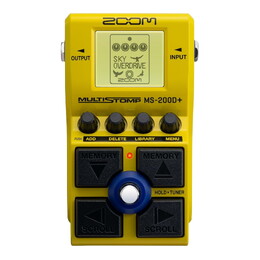
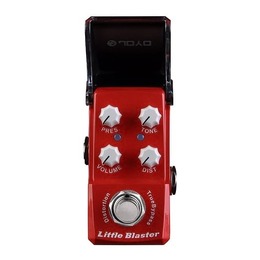
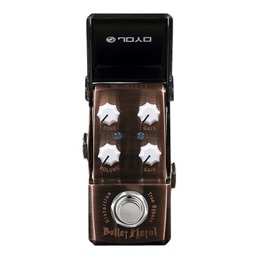
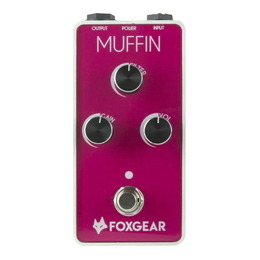
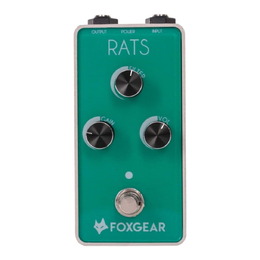
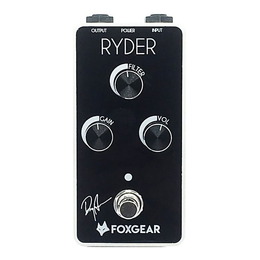
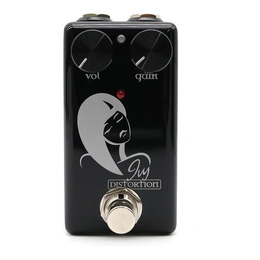
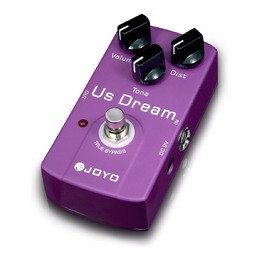
 Pre-Order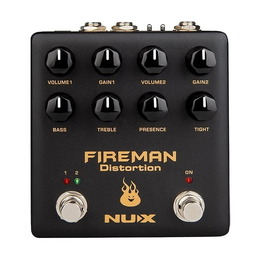
About Distortion Guitar Pedals
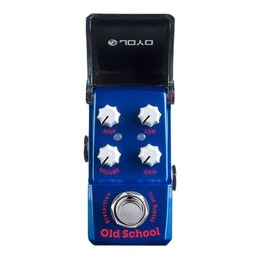
Distortion pedals deliver the aggressive, saturated clipping behind hard rock and metal, the sound made famous by bands like AC/DC and Metallica. Where an overdrive stays dynamic and amp-like, a distortion pedal compresses your signal into a thick, sustaining wall of gain that holds its character at any volume, so you get the same heavy tone through a bedroom practice amp or a full stage rig.
The SWAMP range spans JOYO, NUX, Mosky and Donner, from versatile all-rounders to dedicated heavy metal pedals voiced for modern high-gain styles. Prefer a looser, vintage character? Try our fuzz pedals, or step back to an overdrive pedal for bluesier break-up. High-gain rigs also benefit from a noise gate pedal to keep things quiet between riffs. Browse the full guitar pedals range to build out your board.
Distortion Pedal FAQs
What is the difference between distortion, overdrive and fuzz?
Overdrive gives a mild, amp-style break-up that responds to your playing dynamics. Distortion clips harder and more consistently, producing the compressed, sustaining gain used in hard rock and metal. Fuzz is the most extreme, a raw, splatty vintage texture that transforms the guitar signal entirely.
Where should a distortion pedal go in the signal chain?
Run distortion after tuner, wah and compressor pedals, and before modulation, delay and reverb. This keeps time-based effects clean and clear instead of being distorted along with the guitar.
Can I use a guitar distortion pedal on bass?
Yes. A standard distortion pedal works on bass, though some circuits thin out the low end at higher gain. Keeping some clean signal in the mix helps the bottom end stay solid, and bass-focused units are built to preserve low frequencies while adding grit.