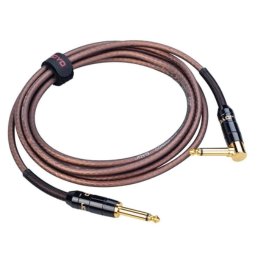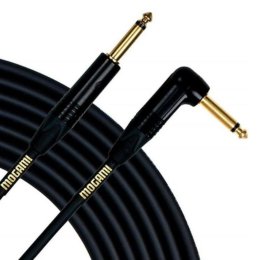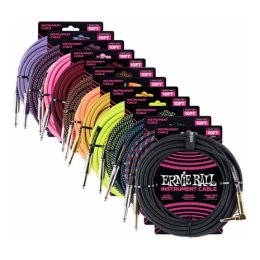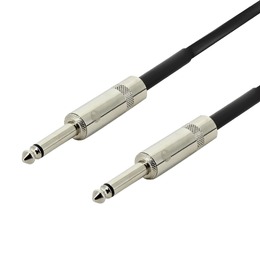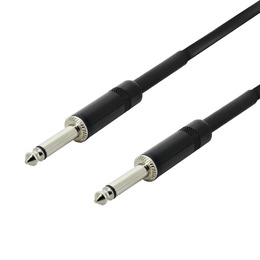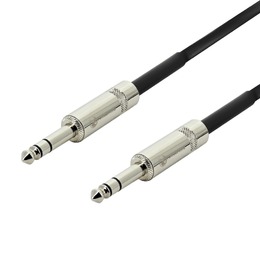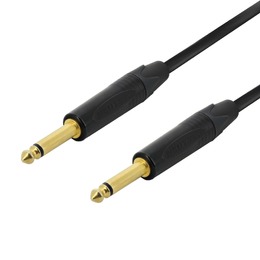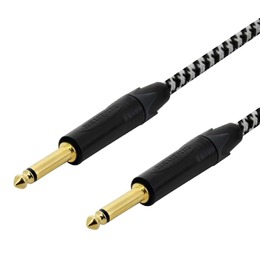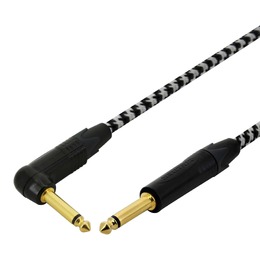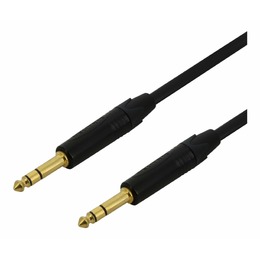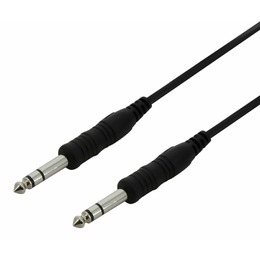





















Audio cables, also called audio leads, are the shielded XLR, TRS, RCA, guitar and speaker leads that carry signal between microphones, instruments, mixers and speakers.


Audio cables, also called audio leads, are the shielded XLR, TRS, RCA, guitar and speaker leads that carry signal between microphones, instruments, mixers and speakers.
About Audio Cables
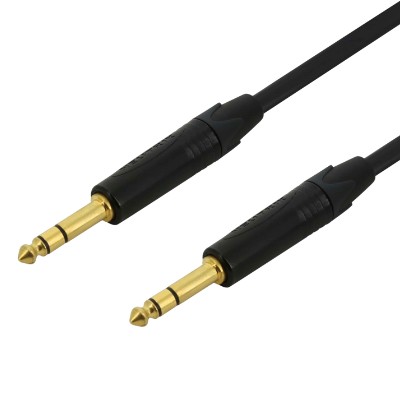
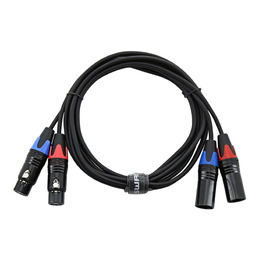
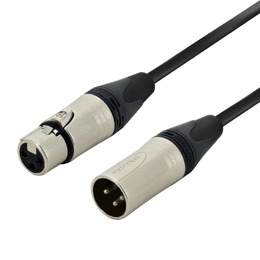
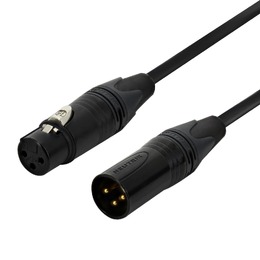
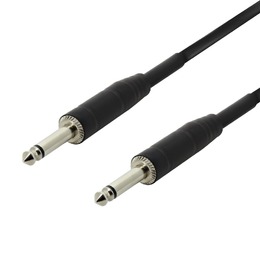
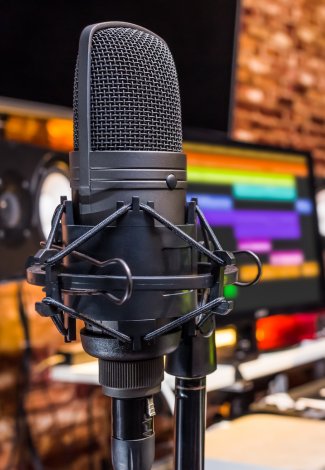
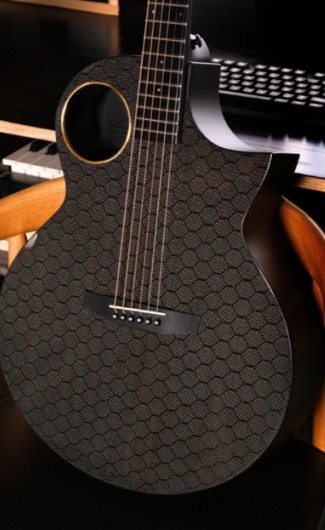
Audio cables carry the signal between every part of your rig: microphones, instruments, mixers, audio interfaces and speakers. The right lead keeps that signal clean. Balanced cables such as XLR and TRS reject interference over long runs, which makes them the standard for stage and studio work, while unbalanced TS leads suit guitars and short patch connections.
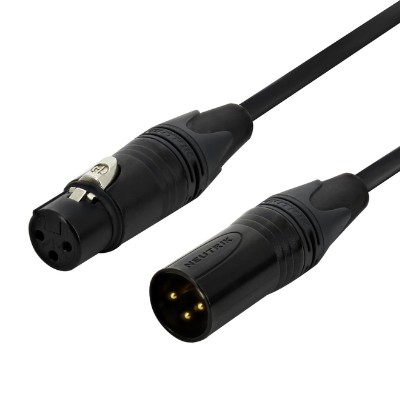
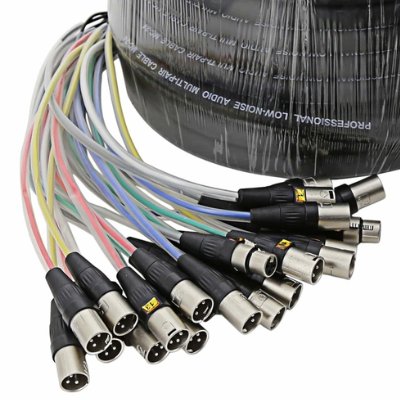
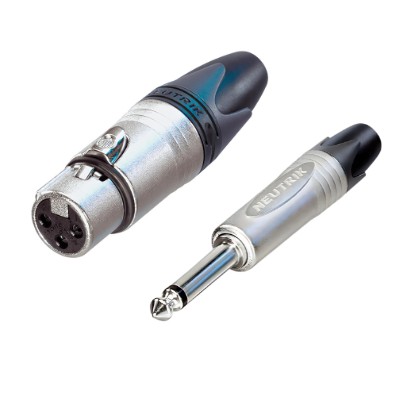
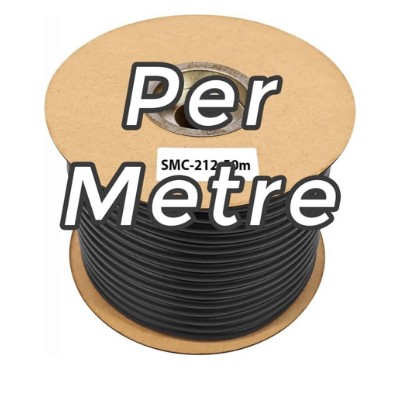
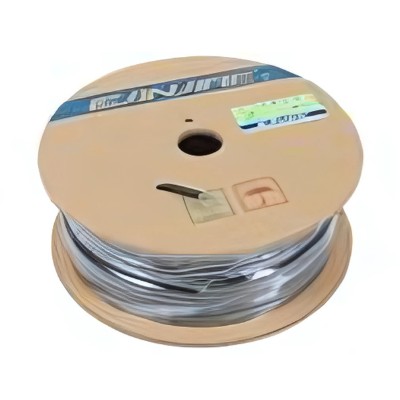
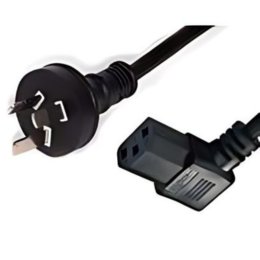
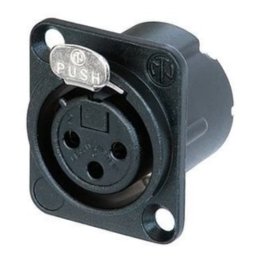
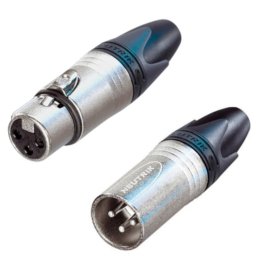
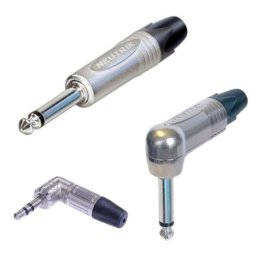
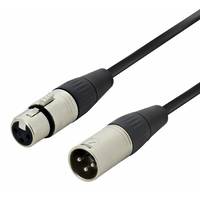
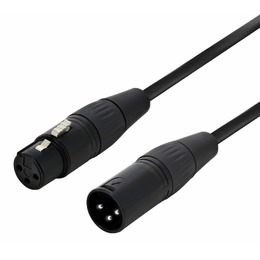
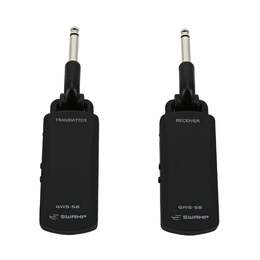
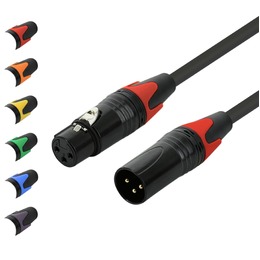
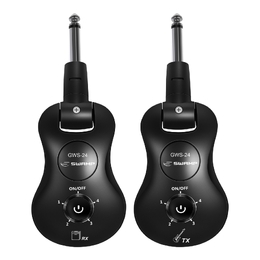
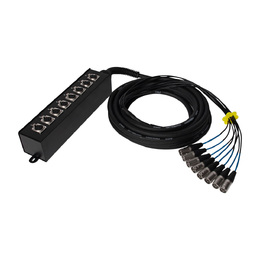
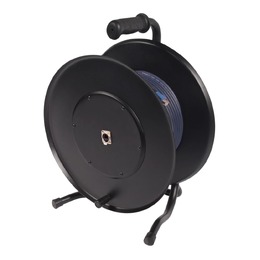
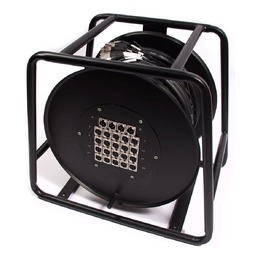
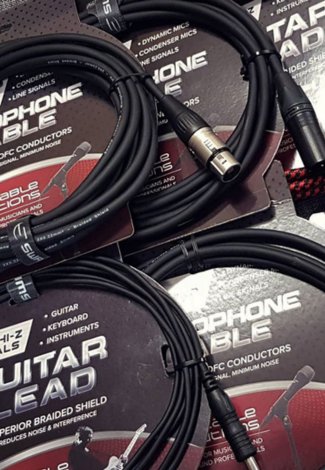
Start with the connection you need: XLR and microphone cables for mics, mixers and powered speakers, guitar leads for instruments, multicore and snake cables for stage runs, or bulk cable and audio connectors for DIY builds. Our own Stage Series and Pro-Line ranges are hand-soldered by our factory technicians and fitted with genuine REAN and Neutrik connectors, alongside Mogami, Canare, Ernie Ball and Pig Hog cables for studio and stage.
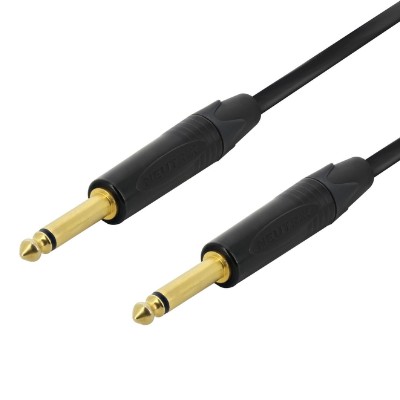
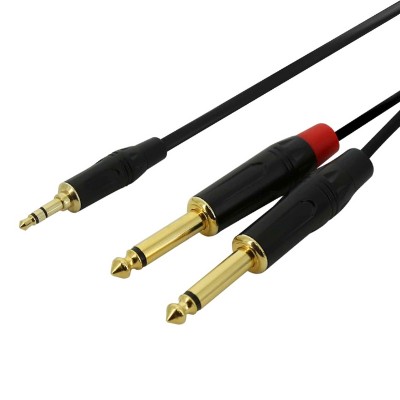
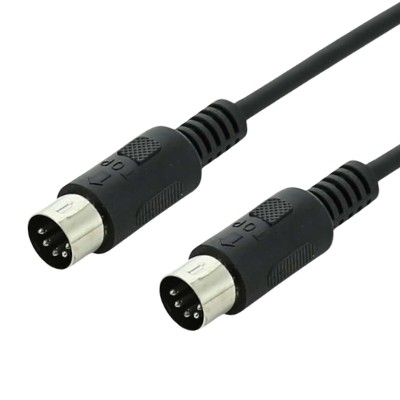
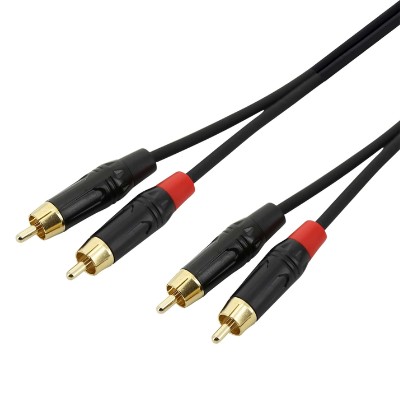
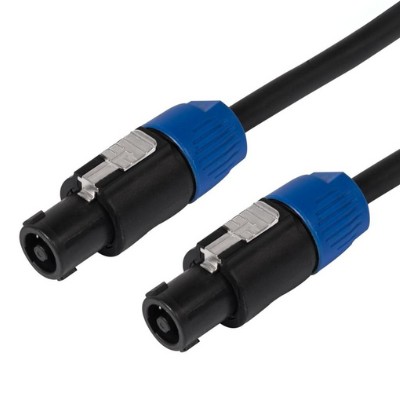
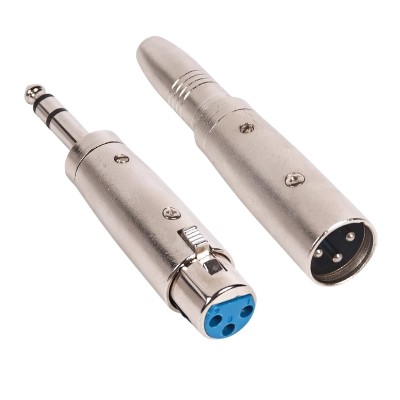
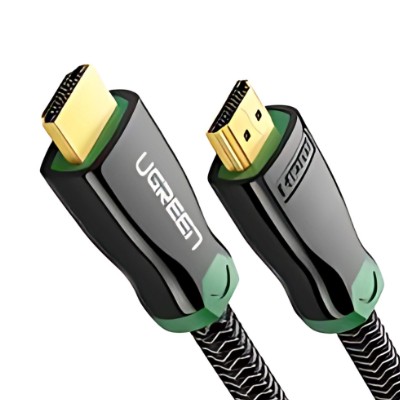
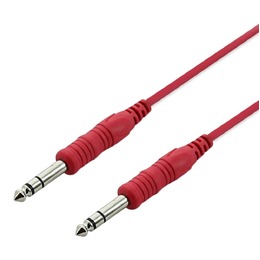
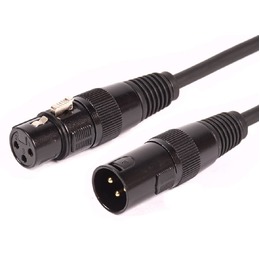
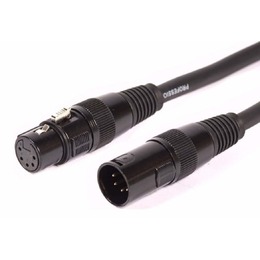
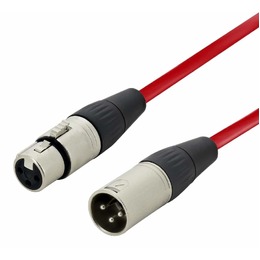
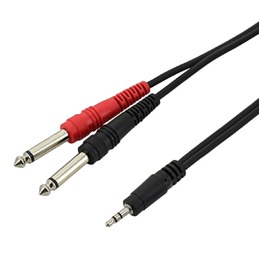
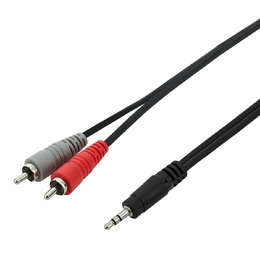
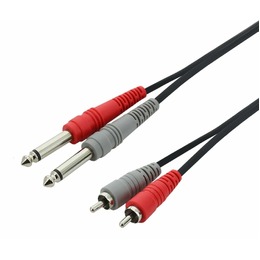
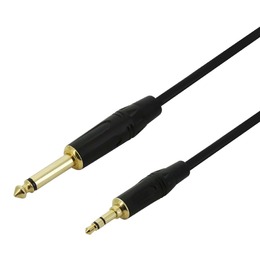
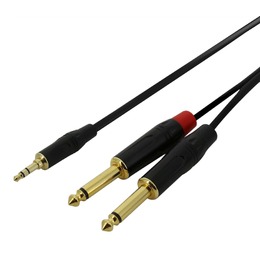
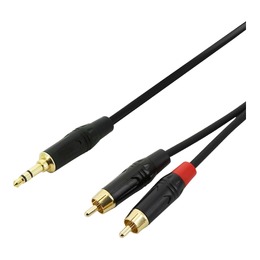
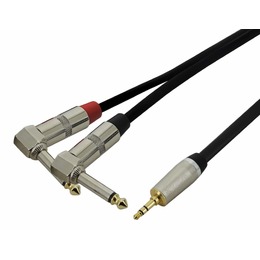
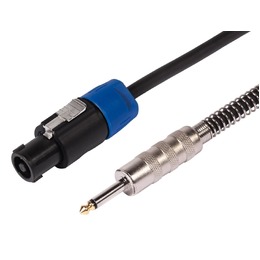
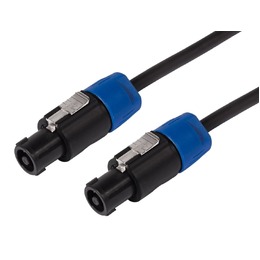
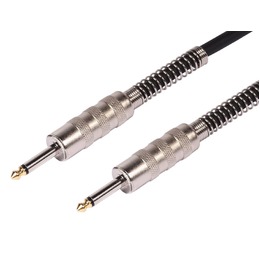
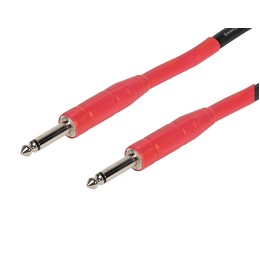
The most common types are XLR microphone cables, 1/4" TS instrument leads, TRS line and insert cables, RCA leads (the familiar red and white plugs), speaker cables and digital options such as optical and USB. Match the connector to the sockets on your gear, then pick the shortest length that suits your setup.
Balanced cables (XLR, TRS) use two signal conductors plus a shield to cancel interference, so they stay quiet over long runs. Unbalanced cables (TS, RCA) are fine over short distances. Keep them under about 6m where possible.
Construction matters more than exotic materials. Solid soldering, proper shielding and quality connectors, like the genuine Neutrik and REAN parts on SWAMP cables, determine how a cable performs and how long it lasts.